Stability from Youth
Pot young plants in a heavy, wide container and top-dress with a 1–2 cm layer of gravel so the shallow root system anchors well and the tall stems are less likely to tip as they gain height and weight.

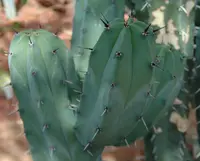
Bilberry cactus, Myrtillocactus geometrizans, is a branching, tree-like cactus known for its blue-green ribbed stems and small, edible, berry-like fruits. It forms dense, candelabra-shaped clumps over time and can become quite tall in the ground.
This species is native to arid and semi-arid regions of central and northern Mexico, where it grows in scrublands and rocky slopes. It is adapted to strong sun, high temperatures, and brief, infrequent rainfall.
The plant is generally considered easy to grow, provided it receives plenty of light, very well-draining soil, and minimal excess moisture. Understanding how to care for Bilberry Cactus mainly involves avoiding overwatering and giving it enough sun.

Care Difficulty
Easy Care

Light Preference
Full Sun

Water Requirements
Low Water

Temperature Preference
Tropical / Frost Sensitive

Hardiness Zone
9–11

Soil Texture
Sandy, Loamy, Rocky

Soil pH
Slightly acidic (6.5–7.0), Neutral (7.0)

Soil Drainage
Well-drained

Fertilization
Minimal (feed rarely)
Scan your plant to receive care tips personalized for your specific plant
Available on iOS and Android
This cactus needs strong light but benefits from some protection during the harshest hours.
This desert cactus prefers thorough but infrequent watering in fast-draining soil.
Stable warmth supports healthy growth and reduces stress for this cactus.
This cactus prefers dry air and does not require elevated humidity.
Use a very fast-draining, mineral-rich mix that mimics arid, rocky habitats.
This species is well suited to container growing when the pot supports its fast, upright, often top-heavy growth.
This cactus grows well with light feeding during its active season, so use fertilizer sparingly for healthy, firm growth in Bilberry Cactus.
Myrtillocactus geometrizans needs minimal pruning, mostly to manage shape and remove damaged tissue.
This cactus grows slowly in containers, so repotting is infrequent but still important for long-term health.
New Myrtillocactus geometrizans plants are most often raised from stem cuttings, though seeds are also used.
This cactus is only lightly frost tolerant and benefits from thoughtful winter care, especially in containers.

Plant Health Check
Not sure what's wrong with your plant? Check your plant's health inside the app.
This cactus produces small blue to purple fruits called garambullo that are eaten fresh or dried in parts of Mexico and are valued for their sweet-tart flavor and natural pigments.
Mature plants develop a distinctive many-armed, candelabra-like structure that can reach several meters in height in habitat, providing nesting and perching sites for birds in arid landscapes.
Its pale greenish-white flowers, which open mainly in the warmer months in its native range, provide nectar and pollen for bats, bees, and other pollinators in dry scrub and semi-desert ecosystems.

In parts of central Mexico, the woody skeleton of this species has traditionally been used as a lightweight material for rustic construction, fencing, and handicrafts once the living tissue has dried away.
Growth is moderate for a columnar cactus. In warm, bright conditions it typically adds 5–15 cm per year, faster in the ground than in pots. Rich, well-drained soil and consistent care support growing Bilberry Cactus more vigorously.
Keep your plants happy and healthy with plant identification, disease detection, and easy care guidance.