Rhipsalis burchellii Care

About Rhipsalis burchellii

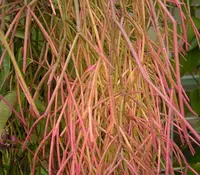
Rhipsalis burchellii is an epiphytic cactus from the Atlantic rainforest of Brazil. It usually grows on trees, forming slender, hanging stems with many small branches. The stems are smooth, leafless, and green, giving the plant a fine, delicate texture that suits hanging baskets and high shelves. Small, subtle flowers and later berries may appear along the stems in good conditions. Unlike desert cacti, it prefers bright, indirect light, moderate moisture, and a well-draining, airy potting mix. These traits make it a relatively forgiving choice once you understand how to care for Rhipsalis burchellii.

Main Plant Requirements

Care Difficulty

Easy Care

Light Preference

Bright Indirect Light

Water Requirements

Moderate Water

Temperature Preference

Tropical / Frost Sensitive

Hardiness Zone

11–12

Soil Texture

Sandy, Loamy, Organic-rich

Soil pH

Acidic (5.5–6.5), Slightly acidic (6.5–7.0)

Soil Drainage

Well-drained

Fertilization

Light (every 4–6 weeks)

Get Personalized Care Plan

Scan your plant to receive care tips personalized for your specific plant

Personalized Care in the App

Available on iOS and Android

How to Care for the Rhipsalis burchellii

This epiphytic cactus prefers bright, filtered light and protection from harsh sun.

  • Provide 4–6 hours of bright, indirect light each day, such as near an east window or under light tree canopy for outdoor plants.
  • Allow brief early morning sun, but shield Rhipsalis burchellii from strong midday and afternoon rays that can cause yellowing or scorched stems.
  • In winter, move plants closer to bright windows or add grow lights if stems become pale, thin, or elongated, which indicates insufficient light.

Watering should keep the roots lightly moist but never waterlogged.

  • Water when the top 2–4 cm of the mix feels dry, then soak thoroughly and let excess drain away so roots receive air.
  • Reduce watering in winter, waiting until the pot feels noticeably lighter and the top 4–5 cm are dry before watering again.
  • Watch for wrinkling or limp stems as a sign of underwatering, and for black, mushy segments or sour-smelling soil as signs of overwatering.

Stable, mild temperatures support healthy growth and root function.

  • Aim for 65–80°F (18–27°C) during active growth, as this range supports steady photosynthesis and stem development.
  • Keep temperatures above 50°F (10°C); brief dips to 45°F (7°C) may be tolerated but can slow growth and risk tissue damage.
  • Protect from frost and hot, dry drafts; above 90°F (32°C), increase air movement and shade to prevent stress and shriveling.

This epiphytic cactus prefers moderately humid air but adapts to most indoor conditions.

  • Aim for 40–60% humidity to support steady growth and prevent stem tips from shrinking.
  • It tolerates drier air if watered correctly, but prolonged very dry conditions can cause wrinkling and dull, crispy segments.
  • Increase humidity by grouping plants, placing the pot on a pebble tray with water below the pot base, or using a small humidifier nearby.

This species prefers a loose, airy mix similar to epiphytic orchid or cactus substrates.

  • Use a blend of roughly 40% fine bark, 30% peat-free compost or coco coir, and 30% perlite or pumice for a light, open structure.
  • Ensure very fast drainage so water runs through in seconds and the mix dries within a few days, avoiding heavy garden soil or clay-rich media.
  • Keep pH slightly acidic to neutral, around 5.5–7.0, which supports nutrient uptake without causing leaf yellowing from imbalance.
  • If the mix compacts, increase coarse components like bark and pumice to improve aeration around the fine roots of Rhipsalis burchellii.

This species is very suitable for container and hanging basket culture.

  • Choose a wide, shallow container to accommodate its spreading, shallow root system without forcing thick, deep layers of mix to stay wet.
  • Use a pot with multiple drainage holes so water exits quickly, reducing the risk of rot in the fine root network.
  • Select a stable, heavier container or use a weighted hanger if stems become long and trailing, to prevent tipping as the plant gains mass.

This epiphytic cactus grows slowly and needs modest, diluted feeding to stay healthy in containers.

  • Use a balanced liquid fertilizer (around 10-10-10) or cactus formula at 1/4–1/2 strength in spring and summer.
  • Apply every 4–6 weeks during active growth, only on pre-watered, moist substrate to avoid root burn.
  • Reduce feeding to 1 light dose in late autumn or stop during winter dormancy under low light.
  • Organic options like very dilute compost tea may replace synthetic products for gentle Rhipsalis burchellii care.

Light pruning helps maintain a tidy, cascading shape without stressing this fine-stemmed cactus.

  • Best time is late winter to early spring, before strong new growth begins.
  • Remove dead, shriveled, or damaged stems first, then thin very crowded sections to improve air flow.
  • Shorten overly long stems just above a segment joint to refine shape and encourage branching.
  • Use clean, sharp scissors or snips, disinfecting blades before and after to limit disease spread on Rhipsalis burchellii.

This plant prefers slightly tight pots and only occasional repotting to refresh its airy, free-draining mix.

  • Repot every 2–3 years or when roots circle the pot, drainage slows, or growth becomes weak.
  • Choose late winter to early spring so Rhipsalis burchellii can recover as growth resumes.
  • Move to a container only 2–3 cm wider, using a loose cactus or orchid-style mix to protect fine roots.
  • Handle the root ball gently, keep roots shaded, water lightly after repotting, and avoid strong sun for 7–10 days to limit stress.

Stem cuttings are the most reliable way to multiply this species for hanging baskets or shared plants.

  • Take 5–10 cm tip cuttings in late spring or summer from healthy, firm stems.
  • Let cut ends dry and callus for 1–2 days before planting to reduce rot risk.
  • Insert segments upright into slightly moist, sterile cactus mix and keep at 70–80°F in bright, indirect light.
  • Maintain very light moisture and good air flow; roots usually form within a few weeks, then treat as mature Rhipsalis burchellii.

This tropical epiphyte is frost-sensitive and needs mild, stable indoor conditions in cold climates.

  • Keep plants above 50°F; aim for 60–70°F indoors during winter for best health.
  • Bring outdoor containers inside before night temperatures drop near 50°F.
  • Place in bright, indirect light away from drafts, heaters, and very cold window glass.
  • Water sparingly, allowing the mix to dry more between waterings while Rhipsalis burchellii grows slowly.

Care Tips

Support Hanging Stems

Use a wide, shallow hanging basket or a shelf edge so the stems can cascade freely without kinking, and rotate the container every 2–3 weeks to keep the plant evenly balanced and prevent weak, one-sided growth.

Encourage Bushy Growth

Pinch or trim back overly long, thin stems by 1–3 in just above a branch point to stimulate side shoots and create a denser, more resilient plant structure over time.

Controlled Root Crowding

Repot only when the root ball is very tight and watering becomes difficult, as a slightly root-bound plant tends to branch more and produce stronger, more compact hanging growth.

Gentle Cleaning Routine

Rinse the foliage in lukewarm water or use a soft brush every 1–2 months to remove dust from the fine stems, which improves light exposure and reduces spider mite risk.

Seasonal Rest Period

In late fall and winter, give the plant a subtle rest by slightly reducing water and avoiding repotting or heavy pruning, which supports bud formation and more reliable flowering when growing Rhipsalis burchellii.

Common Pests and Diseases

Mealybugs

This pest appears as small white cottony clusters tucked in stem joints and along the thin, hanging stems. Symptoms include slow growth, sticky honeydew, and occasional sooty mold on nearby surfaces.

Solution

Isolate the plant, then dab visible insects with cotton swabs dipped in 70% isopropyl alcohol and gently wipe stems. Follow with a thorough spray of insecticidal soap or a light horticultural oil, repeating every 7–10 days until no new insects appear, and improve light and air movement to reduce reinfestation when caring for Rhipsalis burchellii.

Scale insects

These insects form small, brown or tan shell-like bumps on stems and sometimes at the base of branching joints. Symptoms include yellowing segments, weak growth, and sticky residue on nearby objects.

Solution

Remove heavily infested stems if possible, then scrape or wipe off individual scales with a soft cloth or toothbrush dipped in 70% isopropyl alcohol. Treat remaining stems with insecticidal soap or horticultural oil, ensuring good coverage of all sides of the plant and repeating at 10–14 day intervals until controlled.

Spider mites

This pest thrives in warm, dry indoor air and can cause fine webbing between segments and a dull, stippled appearance on stems. Symptoms include gradual loss of vigor and a dusty look to the plant surface.

Solution

Rinse the plant thoroughly under a gentle shower or sink sprayer, focusing on undersides and crevices, then apply insecticidal soap or a light horticultural oil. Raise humidity slightly, avoid placing the plant under hot, drying vents, and inspect regularly to catch any resurgence early.

Soft rot (bacterial)

This disease causes individual stem segments to turn water-soaked, mushy, and often translucent, starting at a wound or pinch point. Symptoms include a foul smell and rapid collapse of affected sections while other parts still look healthy.

Solution

Immediately cut away all soft or discolored tissue back to firm, healthy stems using sterile tools, and discard contaminated material in the trash. Allow cut ends to dry and callus in bright, indirect light, reduce watering until the potting mix dries faster, and improve air movement to limit bacterial spread.

Edema

Symptoms include small corky, blister-like spots on stems where cells have burst from taking up more water than they can use. This issue is physiological rather than infectious and often follows episodes of overwatering combined with cool, low-light conditions.

Solution

Allow the potting mix to dry more between waterings and avoid sudden heavy soakings after a dry period, especially in low light. Provide brighter indirect light, maintain moderate temperatures, and ensure the container and substrate drain freely to prevent repeated swelling and scarring of the stems.

Interesting Facts

Epiphytic rainforest cactus

This species is naturally epiphytic, meaning it grows attached to tree branches in Brazilian Atlantic rainforest habitats rather than rooted in soil on the ground.

Threadlike segmented stems

It develops very slender, many-jointed stems that can form dense, hanging mats, an adaptation that lets it capture light efficiently in shaded forest canopies.

Small, tubular flowers

The plant produces small, tubular white to yellowish flowers along the stem joints, which later develop into berry-like fruits that help disperse seeds in its native forests.

FAQs about Rhipsalis burchellii

Blooming is reduced by insufficient light, very low humidity, or lack of a mild winter rest. Provide bright indirect light, slightly cooler, drier conditions in winter, and avoid heavy fertilizing late in the season to promote buds.

Grow Healthy Plants with Botan Care

Keep your plants happy and healthy with plant identification, disease detection, and easy care guidance.

Botan plant care app — identify plants on mobile

Explore More Plants