Secure Cluster Growth
As stems multiply and elongate, top-dress the pot with a 1–2 cm layer of clean coarse grit or small stone chips to stabilize the clump and reduce stem breakage at the base.


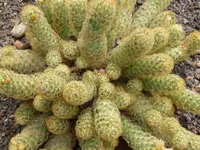
Ladyfinger cactus (Mammillaria elongata) is a small, clustering cactus known for its many slender, finger-like stems densely covered in short golden spines. It stays compact and forms tight clumps, making it suitable for windowsills, desks, and small indoor displays.
This species is native to central Mexico, where it grows in rocky, well-drained habitats with strong sunlight and low rainfall. Its drought tolerance and slow, steady growth make it relatively easy to care for Ladyfinger Cactus, especially for beginners.
It prefers bright light, infrequent watering, and a gritty, fast-draining soil mix, which helps prevent rot and keeps the roots healthy over time.

Care Difficulty
Easy Care

Light Preference
Full Sun

Water Requirements
Low Water

Temperature Preference
Tropical / Frost Sensitive

Hardiness Zone
9–11

Soil Texture
Sandy, Loamy, Rocky

Soil pH
Acidic (5.5–6.5), Slightly acidic (6.5–7.0)

Soil Drainage
Well-drained

Fertilization
Minimal (feed rarely)
Scan your plant to receive care tips personalized for your specific plant
Available on iOS and Android
This small cactus prefers bright, direct light with some protection from intense midday sun.
This species stores water in its stems and needs infrequent, careful watering to avoid rot.
This cactus prefers warm, dry conditions with good tolerance of summer heat if kept on the dry side.
This succulent prefers dry air and usually does not need extra humidity control.
Use a very fast-draining, mineral-rich mix to prevent root rot.
Tip: Avoid dense peat-heavy or clayey substrates that compact, hold water, and block air around Mammillaria elongata roots.
This species is very suitable for container growing due to its compact, clustering habit.
This cactus has low nutrient needs, but light feeding supports steady growth and flowering in Ladyfinger Cactus.
Pruning Mammillaria elongata is minimal and mainly corrective rather than shaping.
This species prefers tight containers and infrequent disturbance, so repot only when clearly necessary.
This cactus is commonly multiplied from offsets, with seeds used mainly for larger batches or breeding.
Note: For seed, sow shallowly on sterile, fine mix, maintain even slight moisture, and provide bright, indirect light and warmth.
Mammillaria elongata needs a cool, very dry winter rest and is sensitive to prolonged frost.

Plant Health Check
Not sure what's wrong with your plant? Check your plant's health inside the app.
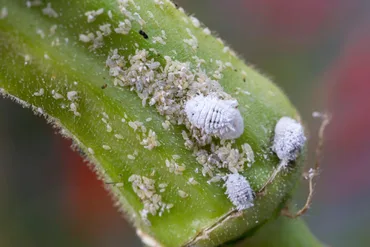
This pest hides between the clustered stems and at the base of spines, appearing as white cottony masses and causing yellowing and weak growth.
Symptoms include sticky residue and sooty mold on nearby surfaces in heavier infestations.
Solution
Isolate the plant, then dab visible insects with cotton swabs dipped in 70% isopropyl alcohol, taking care to reach into tight stem clusters.
Repeat every 5–7 days until no new mealybugs appear, and improve light and air movement to reduce future issues as part of basic Mammillaria elongata plant care.
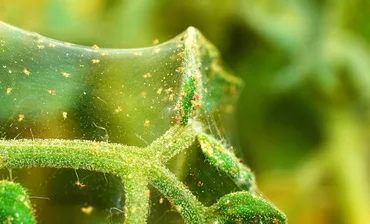
These insects thrive on tightly packed stems in hot, dry conditions, leading to dull, roughened skin and fine webbing between tubercles and spines.
Symptoms include subtle speckling and a general faded look to the cactus surface.
Solution
Rinse the plant thoroughly with a firm but gentle stream of water, then increase humidity slightly and improve air circulation while keeping the soil dry.
For persistent mites, apply a miticidal soap or horticultural oil to the stem surfaces, avoiding direct sun for several days after treatment.
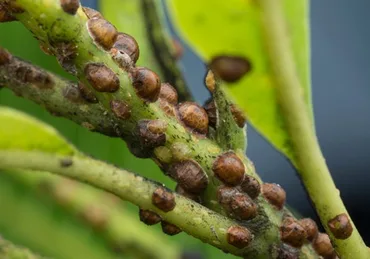
This pest appears as small, hard, brown or tan bumps attached to the stems, often tucked among tubercles where they are hard to see.
Symptoms include slow growth, yellowing, and honeydew that can support sooty mold.
Solution
Manually remove scales with a soft brush or cotton swab dipped in 70% isopropyl alcohol, working around the spines carefully.
Repeat inspections weekly and treat any new scales, and consider using a systemic insecticide labeled for cacti if the infestation is extensive.
In habitat, this species often grows as dense, low mats formed by many offsetting stems, which helps stabilize shallow, rocky soils on volcanic slopes in central Mexico.
Different wild forms show distinct spine colors, from golden-yellow to coppery or nearly white, caused by variations in spine thickness and surface texture that affect how light is reflected.
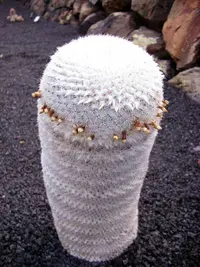
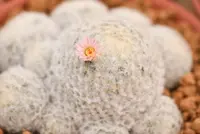
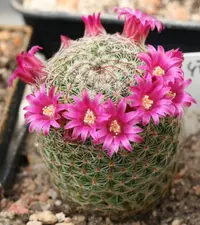
Although its cream to pale pink flowers are small, they open in a ring near the stem tips and are visited by small nocturnal moths and other insects, which transfer pollen between neighboring clumps.

This species has been used extensively in horticultural breeding, and many named cultivars with unusual spine patterns or denser clustering habits originate from mutations and selections of Mammillaria elongata.
Lack of flowers usually comes from insufficient light, no cool dry winter rest, or excess nitrogen fertilizer. Provide bright conditions, a slightly cooler, drier winter, and avoid heavy feeding. Healthy, mature plants then bloom more reliably.
Keep your plants happy and healthy with plant identification, disease detection, and easy care guidance.