Shallow pot choice
Use a wide, shallow pot rather than a deep one to accommodate the plant’s fibrous, surface-oriented roots and reduce the risk of soggy lower soil staying wet for too long.


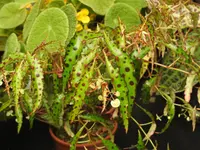
Begonia amphioxus is a compact, rhizomatous begonia prized for its narrow, lance-shaped leaves marked with deep red spots and contrasting red leaf edges. It usually stays small and forms a low, bushy clump that suits terrariums, cabinets, or sheltered indoor displays.
This species is native to limestone areas of Borneo, where it grows in warm, humid, shaded forest habitats. It is considered more delicate than common begonias because it dislikes temperature swings, low humidity, and poor air movement.
Those conditions make it better suited to experienced growers or to controlled indoor setups. Understanding how to care for Begonia amphioxus starts with stable warmth, bright filtered light, and evenly moist, airy substrate.

Care Difficulty
Hard Care

Light Preference
Bright Indirect Light

Water Requirements
Keep Soil Moist

Temperature Preference
Tropical / Frost Sensitive

Hardiness Zone
11–12

Soil Texture
Loamy, Peaty, Organic-rich

Soil pH
Acidic (5.5–6.5)

Soil Drainage
Moist but well-drained

Fertilization
Light (every 4–6 weeks)
Scan your plant to receive care tips personalized for your specific plant
Available on iOS and Android
This species prefers bright, indirect light that mimics dappled forest shade.
Watering should keep the root zone lightly moist but never saturated.
Stable, warm conditions are important for this species to grow well.
This species needs high, stable humidity to keep its thin leaves healthy. The similarly humidity-sensitive Begonia brevirimosa also performs best in a controlled environment.
Begonia amphioxus prefers a loose, airy, organic-rich mix that drains quickly but does not dry out instantly.
Like the Iron Cross Begonia, it develops from a spreading rhizome. This species is well suited to container growing due to its compact, fibrous root system.
This species responds well to light, consistent feeding during active growth.
Pruning is mainly used to maintain shape and remove weak growth.
Repotting helps maintain healthy roots and stable growth in containers.
This plant is most often propagated from stem or leaf cuttings rather than seed.
This species is not frost hardy and needs warm, stable indoor conditions in winter.

Plant Health Check
Not sure what's wrong with your plant? Check your plant's health inside the app.
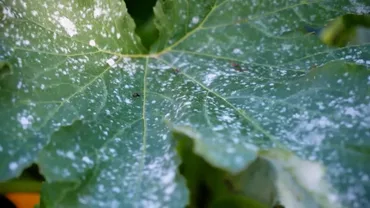
This disease shows as white to gray, powdery patches on leaves and stems, often starting on older foliage in humid, stagnant air.
Symptoms include distortion of new growth and gradual yellowing and drop of affected leaves.
Solution
Remove heavily infected leaves and increase airflow around the plant using a small fan and less crowding.
Keep humidity high but avoid leaf wetting, water early in the day, and treat remaining foliage with a sulfur-based or potassium bicarbonate fungicide for houseplants.
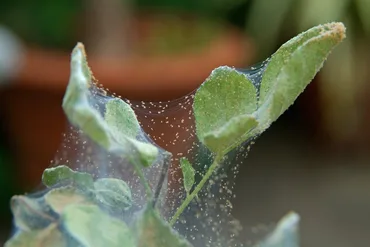
These pests cause fine stippling on leaves, dulling of the leaf surface, and in heavy infestations, fine webbing between stems and foliage.
This pest thrives in warm, dry indoor air and can quickly weaken the delicate leaves of B. amphioxus.
Solution
Shower the plant gently with lukewarm water to wash off mites, then increase ambient humidity to 60–70% while avoiding drafts of hot air.
Follow with repeated applications of insecticidal soap or horticultural oil every 5–7 days.
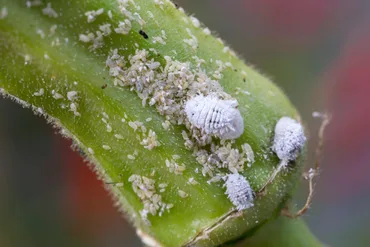
These insects appear as white, cottony clusters in leaf axils, along stems, and sometimes on roots, feeding on sap and causing leaf yellowing and stunted growth.
This pest often establishes in tight, sheltered areas of the plant, especially in dense indoor displays.
Solution
Isolate the plant, then dab visible mealybugs with cotton swabs dipped in isopropyl alcohol, repeating weekly as needed.
For heavier infestations, rinse the plant gently, then apply insecticidal soap or a light horticultural oil to all plant surfaces and monitor new growth.
This species is naturally restricted to a few limestone outcrops in Sarawak, Malaysian Borneo, where it grows on crumbly, calcium‑rich rock ledges under forest shade.
Its narrow, lance‑shaped leaves with deep red, mirror‑like spots are considered an extreme example of patterning within the section Coelocentrum and help distinguish it from related Borneo begonias.
The thick, fleshy stems and relatively stiff leaves reflect a semi‑succulent growth form, an adaptation that helps the plant tolerate brief drying of the thin soils on exposed limestone faces.

Begonia amphioxus was only formally described in 1990, and for many years after its discovery it remained known in cultivation almost exclusively among specialist collectors because its wild populations are so geographically localized.
Brown, crispy edges usually come from low humidity, excess fertilizer salts, or direct sun scorch. Increase humidity, flush the potting mix with clean water occasionally, and keep it in bright but filtered light to prevent tissue damage.
Keep your plants happy and healthy with plant identification, disease detection, and easy care guidance.