Shallow wide pots
Use a wide, shallow pot rather than a deep one to suit the shallow root system and reduce the risk of soggy lower soil layers that can trigger root rot.

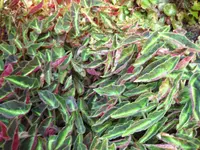
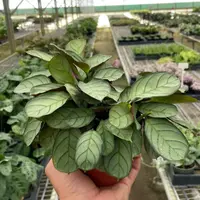
Striped begonia (Begonia listada) is a compact, rhizomatous begonia grown mainly for its striking foliage rather than its flowers. The leaves are velvety dark green with bright lime stripes along the veins and a rich reddish underside, giving it a strong visual contrast.
This species comes from the humid tropical forests of Brazil, where it grows in shaded, sheltered spots. It stays relatively low and bushy, which makes it well suited to indoor containers and small spaces.
Begonia listada prefers bright, indirect light, evenly moist but not waterlogged soil, and good air movement. These traits make it moderately easy to care for SІtriped begonia if humidity and temperature stay stable indoors.

Care Difficulty
Moderate Care

Light Preference
Bright Indirect Light

Water Requirements
Keep Soil Moist

Temperature Preference
Tropical / Frost Sensitive

Hardiness Zone
10–11

Soil Texture
Loamy, Peaty, Organic-rich

Soil pH
Acidic (5.5–6.5), Slightly acidic (6.5–7.0)

Soil Drainage
Moist but well-drained

Fertilization
Light (every 4–6 weeks)
Scan your plant to receive care tips personalized for your specific plant
Available on iOS and Android
This species prefers bright, gentle light that mimics a shaded forest floor.
This plant prefers evenly moist but never waterlogged soil.
Stable, warm conditions support healthy growth and reduce stress for this species.
This species prefers consistently moist air and reacts quickly to very dry conditions.
This species needs a light, airy, organic-rich mix that drains rapidly but does not dry out instantly.
This small, shallow-rooted species is well suited to container growing.
Nutrient support keeps Begonia listada foliage dense and evenly colored.
Thoughtful pruning maintains Begonia listada compact, tidy, and well-branched.
Occasional repotting keeps this fibrous-rooted begonia healthy and prevents decline from crowding.
This species is commonly propagated to maintain desirable foliage traits and replace aging plants.
This tender species needs warm, frost-free conditions and is best overwintered indoors in most climates.

Plant Health Check
Not sure what's wrong with your plant? Check your plant's health inside the app.
The leaf surface has a dense layer of tiny hairs (trichomes) that create a velvety feel and diffuse light, giving the foliage its soft, matte appearance under indoor lighting.
The bright central stripe is due to areas of leaf tissue with fewer green chloroplasts, so light reflects differently there and creates the distinctive lime-green band against the dark background.
The leaf undersides are a rich reddish tone caused by pigments called anthocyanins, which can help protect photosynthetic tissue from excess light and may improve light capture in shaded forest habitats.
Brown, crispy edges usually come from low humidity, underwatering, or fertilizer salt buildup. Increase room humidity, water when the top soil slightly dries, and flush the pot with plain water occasionally to remove excess salts.
Keep your plants happy and healthy with plant identification, disease detection, and easy care guidance.