Pinch To Densify
Regularly pinch out the soft tip of each stem between your fingers to encourage branching and a fuller, cushion-like plant instead of long, bare runners.

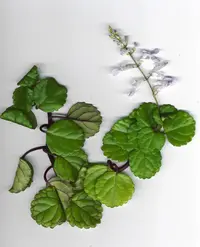
Swedish ivy, Plectranthus verticillatus, is a fast-growing, trailing houseplant valued for its rounded, scalloped leaves and softly cascading stems. It is often grown in hanging baskets or on shelves where its stems can spill over the edge.
In the wild, related species occur in parts of southern Africa, and the plant has adapted well to indoor environments in many regions. It is generally considered easy to grow, which makes it suitable for beginners.
It tolerates a range of indoor conditions but does best with bright, indirect light, moderate moisture, and a light, well-drained potting mix. Understanding these basics helps plant owners care for Swedish Ivy with confidence.

Care Difficulty
Easy Care

Light Preference
Bright Indirect Light

Water Requirements
Moderate Water

Temperature Preference
Tropical / Frost Sensitive

Hardiness Zone
10–11

Soil Texture
Loamy, Sandy, Organic-rich

Soil pH
Acidic (5.5–6.5), Slightly acidic (6.5–7.0)

Soil Drainage
Moist but well-drained

Fertilization
Light (every 4–6 weeks)
Scan your plant to receive care tips personalized for your specific plant
Available on iOS and Android
Plectranthus verticillatus prefers bright, indirect light and gentle sun exposure for best foliage density.
This plant prefers evenly moist but not saturated soil, with short drying periods between waterings.
This species grows best in mild, stable temperatures without exposure to frost or extreme heat.
This species grows well in typical indoor humidity but benefits from slightly moist air.
This plant prefers a light, airy, organic-rich mix that drains quickly yet retains some moisture.
This trailing species is very suitable for container growing, including hanging baskets.
This plant responds well to light, consistent feeding during its active growing season.
Pruning supports compact, bushy growth and keeps Plectranthus verticillatus tidy in containers or hanging baskets.
This species grows fast and benefits from timely repotting to prevent root binding and stalled growth.
This plant is most commonly renewed by stem cuttings, which root fast under warm, bright conditions.
This tender species is not frost hardy and must be managed carefully in regions with cold winters.

Plant Health Check
Not sure what's wrong with your plant? Check your plant's health inside the app.
Despite the common name Swedish ivy, this species is not a true ivy (Hedera) but belongs to the mint family Lamiaceae, which explains its square stems and faintly aromatic foliage when touched.
In its native range in southern Africa, this plant naturally forms spreading mats and trailing stems along the ground or over rocks, which is why it adapts so well to hanging baskets and balcony planters.
The slightly succulent leaves store water in their tissues, an adaptation that helps the plant tolerate short dry spells better than many other common houseplants.

This species has a long history as a pass-along houseplant, often propagated and shared between families and friends for generations, which is why many older homes in North America and Europe have long-established specimens whose original source is no longer known.
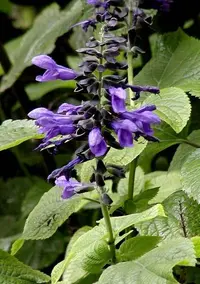
Flowering is often sparse indoors. Lack of bloom usually comes from low light, no seasonal change, or heavy nitrogen fertilizing. Slightly cooler nights, moderate feeding, and allowing short dry periods can encourage more flower spikes.
Keep your plants happy and healthy with plant identification, disease detection, and easy care guidance.