Nerve Plant Care (Fittonia albivenis)

About Nerve Plant

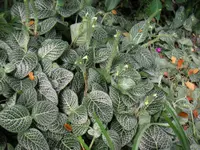
Nerve plant (Fittonia albivenis) is a small tropical evergreen grown mainly for its colorful foliage rather than flowers. It typically stays low and forms a creeping or spreading mat. Leaves are soft, oval, and vividly veined in white, pink, or red against green backgrounds, giving a striking mosaic look. In the wild it grows on the shaded rainforest floor in Peru and other parts of South America. This origin means it prefers stable warmth, high humidity, and gentle, filtered light. It can be a bit sensitive to drying out or strong sun, so learning how to care for Nerve Plant is important for long-term success.

Main Plant Requirements

Care Difficulty

Moderate Care

Light Preference

Bright Indirect Light

Water Requirements

Keep Soil Moist

Temperature Preference

Tropical / Frost Sensitive

Hardiness Zone

11–12

Soil Texture

Loamy, Peaty, Organic-rich

Soil pH

Acidic (5.5–6.5), Slightly acidic (6.5–7.0)

Soil Drainage

Moist but well-drained

Fertilization

Light (every 4–6 weeks)

Get Personalized Care Plan

Scan your plant to receive care tips personalized for your specific plant

Personalized Care in the App

Available on iOS and Android

How to Care for the Nerve Plant

Fittonia albivenis prefers gentle, filtered light that mimics a forest floor environment.

  • Provide bright, indirect light for 6–8 hours per day; north or east-facing windows with sheer curtains suit Nerve Plant well.
  • Allow light shade; the plant tolerates low light but foliage may lose color and growth will slow if kept far from a window.
  • Avoid direct midday or harsh afternoon sun, which scorches leaves; in winter, move closer to brighter windows to compensate for weaker light.

Fittonia albivenis performs best in evenly moist but not waterlogged soil.

  • Water when the top 2–3 cm of soil feels dry to the touch, then water thoroughly so excess drains away.
  • In spring and summer, the plant usually needs more frequent watering; in fall and winter, extend the interval as growth slows.
  • Soft, drooping leaves that recover after watering indicate underwatering, while yellowing leaves, mushy stems, or a sour soil smell suggest overwatering and poor drainage.

This species prefers stable, warm conditions without sudden temperature swings.

  • Aim for 65–80°F (18–27°C) for best growth; avoid exposing the plant to drafts from windows, doors, or vents.
  • Protect from cold; growth slows below 60°F (16°C), and tissue damage can occur near 50°F (10°C).
  • Never expose it to frost; avoid hot, dry spots above 85°F (29°C), especially near heaters, unless humidity is increased to prevent leaf edges from browning.

This species requires high, stable humidity to maintain healthy foliage.

  • Aim for 60–80% humidity; prolonged levels below 50% often cause leaf-edge crisping and dull color.
  • In dry indoor air, leaves may droop, curl, or develop brown tips even when soil moisture is correct.
  • Increase humidity with a room humidifier, enclosed terrarium-style containers, or a tightly grouped cluster of moisture-loving plants for caring for Nerve Plant.

Fittonia albivenis prefers a loose, moisture-retentive but free-draining substrate.

  • Use a peat- or coco-coir-based mix with added perlite and fine bark to keep it light and airy.
  • Target a slightly acidic pH around 5.5–6.5, which supports nutrient uptake and root health.
  • Ensure excess water exits quickly; the mix should feel damp but never stay soggy or compacted after watering.
  • Avoid dense garden soil, heavy clay, or mixes with too much fine sand that reduce aeration and promote root rot.

This species is very suitable for container growing, including small pots and shallow bowls.

  • Choose a wide, shallow pot that matches its spreading habit so stems can root along the surface without crowding.
  • Select plastic or glazed ceramic when slower moisture loss is desired, especially in heated homes or dry climates.
  • Use a saucer only if you empty standing water within a few minutes to prevent prolonged saturation at the root zone.

Fittonia albivenis benefits from light, consistent feeding during active growth for compact, colorful foliage.

  • Use a balanced liquid fertilizer (e.g., 10-10-10 or 20-20-20) diluted to 1/4–1/2 strength for Nerve Plant indoor care.
  • Feed every 4–6 weeks in spring and summer when growth is active.
  • Reduce or stop fertilizing in fall and winter, when growth slows under lower light.
  • Flush the pot with plain water every few months to prevent fertilizer salt buildup in the soil.

Fittonia albivenis responds well to light pruning that keeps the plant dense and encourages fresh growth.

  • Best time for pruning is during active growth in spring and summer.
  • Pinch or trim soft stem tips above a leaf node to promote bushier, compact plants.
  • Remove dead, yellowing, or leggy stems with clean, sharp scissors or small pruners.
  • Discard flower spikes if they appear, as removing them can direct more energy into foliage.

This shallow-rooted plant prefers snug pots but benefits from occasional repotting to refresh soil and support steady growth.

  • Check for roots circling the pot, growing through drainage holes, or slow, weak growth as signs it needs a larger container.
  • Plan to repot every 1–2 years in spring, moving to a pot only 2–3 cm wider with good drainage.
  • Use a loose, peat- or coco-based mix with added perlite, and handle roots gently to limit stress.
  • Water lightly after repotting, keep humidity high, and shade from strong sun for 1–2 weeks while the plant recovers.

This plant is commonly propagated from stem cuttings or by division, allowing quick multiplication of healthy specimens.

  • Take 5–8 cm stem cuttings in spring or early summer, each with at least 2–3 leaf nodes.
  • Place cuttings in moist, sterile potting mix or water, keeping humidity high and temperature around 70–75°F.
  • Remove lower leaves, insert nodes just below the surface, and keep the medium evenly moist, not waterlogged.
  • For division, gently separate rooted sections during repotting and pot each into a small container with fresh mix.

This tropical houseplant is frost sensitive and needs stable indoor conditions during winter in temperate climates.

  • Keep indoor temperatures around 65–75°F and avoid cold drafts from windows or doors.
  • Maintain higher humidity (50–60%) with trays of water, humidifiers, or grouped plants.
  • Allow the top of the soil to dry slightly more between waterings but never let the root ball fully dry.
  • Avoid strong, direct heat from radiators or vents that can scorch foliage and dehydrate the plant.

Care Tips

Use Wide Shallow Pots

Plant in a wide, shallow container to accommodate its naturally shallow root system and creeping stems, which encourages denser, fuller coverage over the soil surface.

Pinch For Compact Growth

Regularly pinch just the soft stem tips with clean fingers or scissors to prevent leggy growth and direct the plant’s energy into branching, creating a thicker mat of foliage.

Edge Propagation Method

When repotting, gently bend a few healthy stems down so their nodes touch the soil surface at the pot edge, lightly pin them with a hairpin or small wire, and let them root to quickly fill bare areas.

Humidity Zoning Setup

Place the plant on a wide pebble tray alongside other moisture-loving species to create a local humidity pocket around the foliage, which is more stable than relying on frequent misting when caring for Nerve Plant.

Short Dry-Check Cycle

Instead of using a fixed schedule, lightly lift the pot every few days and learn its “light when dry” weight so you can quickly detect early drying of the fine roots, which are more prone to stress in this species.

Common Pests and Diseases

Spider mites

This pest thrives on Fittonia foliage in warm, dry indoor air and causes fine stippling, dull leaves, and webbing between stems and leaf undersides.

Solution

Rinse the plant thoroughly in the shower or sink, focusing on leaf undersides, then repeat every few days; raise humidity to 60–70%, isolate the plant, and use insecticidal soap or a neem oil spray on all leaf surfaces for at least 2–3 treatment cycles.

Mealybugs

These insects appear as small white cottony clusters in leaf joints and along stems, leading to distorted growth and sticky honeydew on nearby surfaces.

Solution

Dab visible clusters with cotton swabs dipped in 70% isopropyl alcohol, then wash the plant with lukewarm water and treat all foliage and stems with insecticidal soap weekly until no new insects appear; inspect nearby plants and remove heavily infested leaves if needed.

Fungal leaf spot

This disease causes small brown, tan, or dark purple spots that may enlarge, merge, and cause sections of the thin Fittonia leaves to yellow and die prematurely, especially in low airflow and high humidity.

Solution

Remove and discard affected leaves, avoid wetting the foliage when watering, improve air circulation around the plant, and allow the top of the soil surface to dry slightly between waterings; for persistent cases, apply a labeled copper or sulfur-based fungicide according to indoor-use directions.

Edema

Symptoms include translucent blisters or corky, rough patches on the undersides of leaves when roots absorb water faster than leaves can transpire in cool, humid conditions.

Solution

Reduce watering frequency so the top 2–3 cm of the potting mix dry before watering again, increase light within the recommended range for Nerve Plant indoor care, and keep temperature and humidity stable to prevent further cell rupture in the leaves.

Bacterial leaf blight

This disease produces water-soaked, irregular lesions on leaves that turn brown and may have a yellow halo, often spreading quickly across crowded, constantly wet foliage.

Solution

Isolate the plant, remove and discard all affected leaves, avoid overhead misting that keeps foliage wet, disinfect tools, and improve airflow; if the plant is severely affected, it is safer to discard it and sterilize the potting container before reuse.

Interesting Facts

Rainforest understory specialist

This species naturally grows on the shaded floor of lowland rainforests in Peru and neighboring regions, where it is adapted to diffuse light and consistently high humidity rather than direct sun exposure.

Leaf vein signaling

The striking white or colored veins are not only ornamental; they contain part of the leaf’s vascular tissue, which transports water and nutrients and helps maintain the flat, thin leaf structure typical of humid-forest plants.

Rapid wilting response

When the potting mix dries too much, this plant can collapse and droop dramatically in a short time, a reversible stress response that allows the foliage to reduce surface area and water loss if soil moisture is quickly restored.

Botan icon

Did you know?

In its native range, this species often grows as a low, creeping groundcover that can form dense, mat-like patches on the forest floor, where the contrasting white veins may help it stand out visually in dim light among fallen leaves and mosses.

FAQs about Nerve Plant

Brown, crispy edges usually come from low humidity, underwatering, or exposure to drafts and heaters. Increase air moisture, water consistently, and move the pot away from vents to prevent further leaf damage.

Grow Healthy Plants with Botan Care

Keep your plants happy and healthy with plant identification, disease detection, and easy care guidance.

Botan plant care app — identify plants on mobile

Explore More Plants