Mexican Plumeria Care (Plumeria rubra)

Also known as: Mexican Plumeria, Frangipani, Chelilairangebard

About Mexican Plumeria

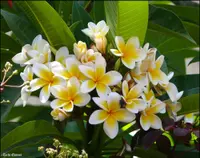
Mexican plumeria (Plumeria rubra) is a deciduous tropical shrub or small tree known for its thick, smooth branches and clusters of showy, fragrant flowers. It often has a vase-like shape with sparse branching and long, leathery leaves grouped near the tips.

This species is native to Mexico and Central America but is widely grown in warm climates as an ornamental plant. Understanding how to care for Mexican Plumeria is easier once you know it prefers strong light, warm temperatures, and a well-drained, gritty soil mix.

Its drought tolerance and seasonal leaf drop make it relatively forgiving, but it does require bright exposure and protection from prolonged cold to thrive and bloom reliably.

Main Plant Requirements

Care Difficulty

Moderate Care

Light Preference

Full Sun

Water Requirements

Moderate Water

Temperature Preference

Tropical / Frost Sensitive

Hardiness Zone

10–12

Soil Texture

Sandy, Loamy, Organic-rich

Soil pH

Acidic (5.5–6.5), Slightly acidic (6.5–7.0)

Soil Drainage

Well-drained

Fertilization

Light (every 4–6 weeks)

Get Personalized Care Plan

Scan your plant to receive care tips personalized for your specific plant

Personalized Care in the App

Available on iOS and Android

How to Care for the Mexican Plumeria

Plumeria rubra needs strong sun to flower well but can tolerate brief light shade.

  • Provide 6–8 hours of direct sun daily, ideally with gentle morning sun and some protection from intense late-afternoon summer sun.
  • In hot climates, Mexican Plumeria benefits from filtered light during the hottest hours to reduce leaf scorch and conserve moisture.
  • If stems elongate, leaves thin, or flowering declines, the plant likely receives under 4–5 hours of direct sun and needs a brighter location.

Plumeria rubra prefers deep but infrequent watering in fast-draining soil.

  • Outdoors in active growth, water only when the top 3–5 cm of soil are completely dry, then soak thoroughly so water drains quickly away from the roots.
  • Use a very free-draining mix or sandy soil; persistent wetness, soft black stems, or yellowing lower leaves suggest overwatering and possible root rot.
  • In cool or dormant periods when leaves drop, reduce watering sharply and allow soil to dry almost fully, watching for wrinkled stems as a sign of underwatering.

This species thrives in consistently warm, frost-free conditions with a distinct cool, dry rest period.

  • Optimal growth occurs around 70–90°F (21–32°C), which supports strong leaf development and abundant flowering during the growing season.
  • Protect the plant whenever temperatures approach 40°F (4°C); tissue damage and defoliation occur near freezing, and hard frost can kill branches or entire plants.
  • Short heat spikes up to about 100°F (38°C) are tolerated if soil drains well and roots are not waterlogged, but prolonged cold, wet weather greatly increases rot risk.

Plumeria rubra handles typical indoor humidity but grows best with slightly elevated, stable levels.

  • Aim for 40–60% humidity; Mexican Plumeria does not need tropical conditions but dislikes very dry, heated rooms.
  • Crisp leaf edges, slow bud development, and premature flower drop can indicate air that is too dry.
  • Increase humidity by grouping plants, placing containers on pebble trays with water below the pot base, or running a nearby humidifier.

Plumeria rubra needs sharply drained, airy soil that dries between waterings to prevent root rot.

  • Use a gritty mix such as 50–60% cactus potting mix blended with coarse perlite, pumice, or horticultural sand for drainage.
  • Include 10–20% compost or fine bark to provide moderate organic matter without making the mix heavy or waterlogged.
  • Target slightly acidic to neutral pH around 6.0–7.0, which supports nutrient availability and healthy root growth.
  • Avoid dense clay, peat-heavy, or compacted mixes that stay wet for more than 2–3 days after watering.

This species is well suited to container growing when the pot is chosen to support its top-heavy canopy and sensitive roots.

  • Select a wide, relatively heavy pot to counterbalance the tall, branched crown and reduce tipping in wind or on balconies.
  • Choose a container material that matches your climate; terra-cotta helps excess moisture evaporate in humid or cool regions.
  • Ensure multiple large drainage holes so water exits within seconds, preventing water pockets that can suffocate thick, succulent roots.

Plumeria rubra responds well to moderate feeding during its active growing season.

  • Use a balanced NPK fertilizer (such as 10-10-10 or 14-14-14) or slow-release palm/flowering-tree fertilizer for caring for Mexican Plumeria.
  • Feed every 4–6 weeks in spring and summer; avoid feeding in late fall and winter when the plant is dormant.
  • Dilute liquid fertilizers to 1/2 strength to prevent salt buildup and root burn in containers.
  • Supplement with a light top-dressing of compost in spring, keeping it off the trunk to avoid rot.

Plumeria rubra benefits from light, planned pruning to manage size and encourage branching.

  • Prune in late winter or early spring before new growth begins, when the plant is leafless or nearly so.
  • Remove dead, diseased, crossing, or inward-growing branches using clean, sharp bypass pruners or a pruning saw.
  • Shorten overly long branches to a lateral node to improve structure, reduce wind damage risk, and promote fuller branching.
  • Avoid heavy pruning in one season; spread major shaping over 2–3 years to reduce stress.

Container-grown Plumeria rubra or young landscape trees sometimes need repotting or transplanting as they expand.

  • Repot or transplant in late spring to early summer when growth is active and temperatures are consistently warm.
  • Look for circling roots at drainage holes, top-heavy pots, or slowed growth as signs the plant has outgrown its container.
  • Move up only 1 pot size, use a fast-draining, gritty mix, and keep the root ball as intact as possible to limit shock.
  • Water lightly after moving, keep in bright but not harsh sun for 1–2 weeks, and avoid fertilizing until new growth appears.

Plumeria rubra is commonly propagated from cuttings, with seeds used mainly for breeding or variation.

  • Take semi-hardwood cuttings in late spring or early summer, 20–30 cm long, from healthy, non-flowering branches.
  • Let cut ends dry and callus for 5–7 days in a shaded, airy place before planting in a coarse, fast-draining medium.
  • Plant cuttings upright, burying 5–8 cm, then keep warm at 75–85°F with bright light and very light, infrequent watering.
  • For seeds, sow fresh seed in warm, well-drained mix, maintain even moisture, and provide bright light for steady germination.

Plumeria rubra is frost-sensitive and needs specific winter care in climates with cold seasons.

  • In USDA zones below 10, grow in containers and move plants indoors before temperatures drop to 40°F.
  • Overwinter indoors in a cool, bright spot; allow leaves to drop and keep soil almost dry during dormancy.
  • In mild climates, mulch the root zone 5–8 cm deep and avoid overhead watering on cold nights.
  • Check stored or indoor plants occasionally for rot or pests and remove any soft, blackened stem sections.

Care Tips

Encourage Strong Branching

Pinch or tip-prune young shoots just above a node once they reach 20–30 cm to promote multiple branches and a fuller flowering canopy rather than a single tall stem.

Support Heavy Flower Heads

Install a sturdy stake or discreet plant support on wind-exposed sites and loosely tie thicker stems before bloom season so that heavy flower clusters and juicy branches do not snap during storms.

Optimize Container Root Space

Choose a pot only 2–5 cm wider than the existing rootball and step up gradually every 2–3 years to prevent excess unused soil that can stay wet and increase root-rot risk.

Winter Rest Management

In regions with cool winters, move container plants to a dry, frost-free area around 50–60°F, stop fertilizing, and allow leaves to drop naturally so the plant can complete its dormancy cycle.

Prevent Frangipani Rust

Inspect leaves weekly in warm, humid weather for yellow spots or orange spores, remove and discard infected leaves in the trash, and ensure good air movement to reduce frangipani rust pressure when growing Mexican Plumeria.

Common Pests and Diseases

Plumeria rust

This disease causes yellow speckling on upper leaf surfaces and raised orange pustules on the undersides, leading to premature leaf drop. Symptoms include thinning foliage, especially in warm and humid conditions.

Solution

Remove and discard infected leaves, including those that have fallen to the soil surface, to reduce spore spread. Improve air circulation, avoid overhead watering, keep foliage dry when possible, and apply a copper- or sulfur-based fungicide labeled for ornamental plants if the problem persists.

Stem rot

This disease leads to soft, dark, sunken areas on branches that may ooze and collapse, often following overwatering, cold damage, or injury. Symptoms include a mushy texture of affected stems and rapid dieback above the infected area.

Solution

Cut back into firm, healthy tissue with a sterile knife or pruners, disinfecting tools between cuts, and discard all rotted material. Allow the plant and any cuttings to dry and callus, reduce watering, keep the plant in a warm, bright position, and use a well-drained, gritty mix to prevent future issues.

Spider mites

These pests cause fine stippling, dull leaves, and delicate webbing on leaf undersides, especially in hot, dry conditions. This pest can lead to leaf yellowing and drop when populations are high.

Solution

Rinse foliage thoroughly with a strong but controlled stream of water, focusing on leaf undersides, and repeat several times over 7–10 days. Increase humidity around the plant, isolate it from others, and use insecticidal soap or neem oil, ensuring full coverage of leaf undersides and stems.

Whiteflies

These insects appear as small white moth-like adults that fly up when the plant is disturbed, and their nymphs feed on sap, causing leaf yellowing and sticky honeydew. This pest can encourage sooty mold growth on leaves and reduce overall vigor.

Solution

Vacuum or shake adults from the plant outdoors, then target the undersides of leaves with insecticidal soap or neem oil on a 5–7 day schedule until populations drop. Remove heavily infested leaves, use yellow sticky traps to monitor adults, and keep nearby weeds or volunteer plants under control to reduce reservoirs.

Mealybugs

These insects form white, cottony clusters on leaf nodes, stems, and roots and excrete sticky honeydew that can attract ants and promote sooty mold. This pest weakens plants by sucking sap and can distort new growth.

Solution

Dab visible insects with cotton swabs dipped in isopropyl alcohol, then wash the plant with a gentle spray of water to remove residues and hidden insects. Follow up with repeated applications of neem oil or insecticidal soap, ensure good light and air movement, and inspect regularly so early stages of infestation are controlled quickly as part of practical Plumeria rubra care instructions.

Interesting Facts

Fragrant night pollination

In its native range, Plumeria rubra flowers release a stronger fragrance after dusk, helping attract nocturnal moths that act as primary pollinators despite the flowers producing very little nectar.

Variable flower colors

This species naturally shows a wide range of flower colors from white and yellow to pink, red, and multicolored blends, due to genetic variation in pigments such as anthocyanins and carotenoids.

Seasonal leaf drop

Plumeria rubra is a deciduous tropical tree that sheds its leaves during a cool or dry season, allowing the plant to conserve water and energy while still maintaining flower production on bare branches in suitable climates.

Botan icon

Did you know?

Plumeria rubra is one of the primary species used in traditional Hawaiian lei making, introduced to the islands in the 19th century and then widely planted around temples, cemeteries, and public spaces for its long-lasting, easily strung flowers.

FAQs about Mexican Plumeria

Lack of blooms usually relates to insufficient maturity, low light, or excess nitrogen fertilizer. This species often needs several years to flower well. Stable warmth, strong light, and balanced fertilizer help more than frequent pruning or repotting.

Grow Healthy Plants with Botan Care

Keep your plants happy and healthy with plant identification, disease detection, and easy care guidance.

Botan plant care app — identify plants on mobile

Explore More Plants