Mexican Frankincense Care (Bursera fagaroides)

Also known as: Mexican Frankincense

About Mexican Frankincense

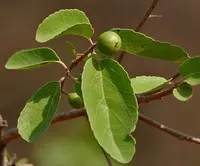
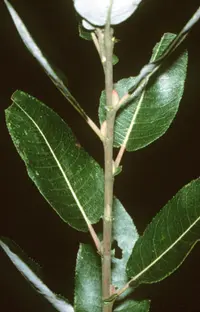
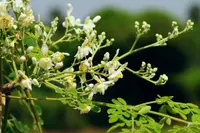
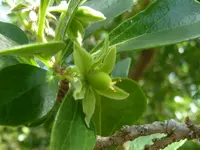
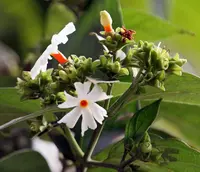
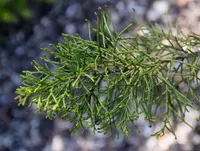
Mexican frankincense (Bursera fagaroides) is a small deciduous tree or large shrub known for its aromatic, resinous bark and fine, twiggy branching. It often develops a sculptural, bonsai-like form with small, clustered leaves that drop in the dry season.

This species is native to arid and semi-arid regions of Mexico, where it grows on rocky slopes and well-drained hillsides. Its drought tolerance and slow to moderate growth habit generally make it a low-maintenance plant when conditions are right.

It prefers bright light, low to moderate moisture, and gritty, fast-draining soil, which are key points when learning how to care for Mexican Frankincense.

Main Plant Requirements

Care Difficulty

Moderate Care

Light Preference

Full Sun

Water Requirements

Low Water

Temperature Preference

Tropical / Frost Sensitive

Hardiness Zone

10–11

Soil Texture

Sandy, Loamy, Rocky

Soil pH

Slightly acidic (6.5–7.0), Neutral (7.0)

Soil Drainage

Well-drained

Fertilization

Minimal (feed rarely)

Get Personalized Care Plan

Scan your plant to receive care tips personalized for your specific plant

Personalized Care in the App

Available on iOS and Android

How to Care for the Mexican Frankincense

This drought-adapted shrub thrives in bright, intense light similar to its native arid habitats.

  • Provide 6–8 hours of direct sun daily outdoors; morning to early afternoon sun with some late-day relief is ideal in very hot regions.
  • Tolerates light or dappled shade for part of the day, but prolonged shade causes weak, leggy growth and reduced branching in Mexican Frankincense.
  • In summer, introduce young plants to full sun gradually to prevent leaf scorch; in winter, maximize exposure by avoiding heavy overstory shade and dense cover.

This species stores water in its trunk and prefers infrequent, deep watering rather than frequent light drinks.

  • Allow the top 3–5 cm of soil to dry fully before watering; in hot, active growth this may mean soaking the root zone thoroughly, then leaving it dry for several days or longer.
  • Use fast-draining, gritty soil on a slope or raised area so water never pools around the roots, reducing risk of rot and sour, anaerobic smells from the soil.
  • Signs of overwatering include soft, yellowing leaves and a spongy caudex, while severe wrinkling and twig dieback in Bursera fagaroides indicate prolonged underwatering.

This succulent shrub favors warm, dry conditions and reacts poorly to cold, wet weather.

  • Aim for 70–90°F (21–32°C) during active growth, with brief peaks to 95°F (35°C) tolerated if soil is very well drained and air is moving.
  • Protect from cold below 40°F (4°C); growth slows under 55°F (13°C), and tissue damage or death can occur with light frost near 32°F (0°C).
  • In regions with cool winters, keep the plant as dry as practical when temperatures drop to 40–50°F (4–10°C) to reduce rot risk during semi-dormant periods.

This dryland species handles typical indoor humidity well and rarely needs special humidity control.

  • Aim for 30–50% humidity; occasional drops lower are tolerated without harm.
  • Dry, crisp leaf tips or sudden leaf drop can indicate combined stress from low humidity plus underwatering or high heat.
  • If air is very dry, place the pot on a pebble tray with water below the pot base rather than misting Mexican Frankincense foliage.

Bursera fagaroides needs very fast-draining, mineral-based soil to prevent root rot.

  • Use a gritty mix such as 50–70% inorganic material (pumice, coarse perlite, lava rock, or coarse sand) blended with 30–50% low-organic cactus mix.
  • Maintain a loose, open structure so water drains through in seconds rather than minutes, leaving air pockets around the roots.
  • Slightly alkaline to neutral pH (about 7.0–7.8) is suitable; avoid highly acidic peat-based mixes that stay wet and compact.
  • If a bagged mix holds moisture, increase drainage by adding extra pumice or lava rock until the mix feels coarse and crumbly, not fine or sticky.

This species is well suited to container culture for bonsai-style or compact growth.

  • Choose a wide, shallow pot to support the caudex and prevent tipping as the trunk thickens.
  • Opt for unglazed terra cotta when possible, as its porous walls help excess moisture evaporate from the root zone.
  • Elevate the pot slightly on feet or mesh to ensure drainage holes never sit in standing water after irrigation.

This drought-adapted succulent tree needs only modest feeding when grown in containers or under low-nutrient conditions.

  • Use a balanced liquid fertilizer (for example 10-10-10) at 1/4–1/2 strength for Mexican Frankincense during active growth.
  • Apply every 4–6 weeks in spring and summer if growth is desired, skipping feedings when the plant is stressed.
  • Avoid fertilizing in late fall and winter, when growth slows and the plant moves toward dormancy.
  • Do not use heavy compost layers; salty or rich soils increase root rot and lanky growth risk.

Pruning Bursera fagaroides is mainly used to remove damage and refine structure, especially in container or bonsai culture.

  • Carry out pruning in late winter or early spring before strong new growth begins.
  • Remove dead, diseased, crossing, or inward-growing branches to improve light and airflow in the canopy.
  • Shorten overly long shoots to maintain desired size and enhance the natural sculptural form.
  • Use clean, sharp pruning shears and make small, angled cuts just above a node or side branch.

Container-grown plants benefit from careful, infrequent repotting to limit stress on the fine root system.

  • Check for roots circling the pot, emerging from drainage holes, or unexplained slow growth as signs it needs more space.
  • Plan to repot every 3–4 years in late spring, once nights are consistently warm and growth is starting.
  • Move the plant only 1 pot size up, using a very well-draining mineral mix to keep roots aerated.
  • Gently tease outer roots, keep the woody caudex slightly raised, water lightly once, then allow soil to dry well before the next watering.

New plants are most often produced from semi-hardwood stem cuttings, though seeds are also possible with patience.

  • Take 8–12 cm semi-hardwood cuttings in late spring or early summer from healthy, non-flowering shoots.
  • Allow cut ends to callus for 2–3 days, then insert into a gritty, barely moist mix under bright, indirect light.
  • Apply gentle bottom warmth around 75–80°F and keep humidity moderate, avoiding wet, stagnant conditions.
  • For seeds, use fresh, cleaned seed in a fast-draining mix, lightly covered, and maintain warm, bright conditions for slow germination.

This species is frost sensitive and needs protection in regions with cold or wet winters, especially in containers.

  • Avoid exposure below 30–32°F; brief light frost may scar tissue and repeated freezes can kill branches or roots.
  • Move potted plants indoors or into a cool, bright, frost-free space with minimal watering during dormancy.
  • For in-ground plants in marginal climates, mulch lightly around but not against the trunk to buffer soil temperature.
  • Keep soil on the dry side in winter; cold, wet substrates greatly increase the risk of root rot.

Care Tips

Protective potting angle

When potting, set the plant slightly off-center and tilt the caudex a few degrees so water naturally drains away from the stem base, which lowers the risk of rot around old pruning scars.

Controlled branch training

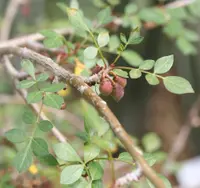
Wire young branches loosely in late spring, checking monthly and removing wire after 6–8 weeks, to create a balanced branching structure without cutting too deeply into the bark.

Winter rest adjustment

If leaves drop in winter, cut back water further and move the plant to the brightest, coolest frost-free spot available to support a proper dormancy cycle and stronger leaf flush in spring.

Targeted pest inspection

Inspect branch crotches, leaf nodes, and the caudex-line every 2–3 weeks for scale or mealybugs, and spot-treat early with a cotton swab dipped in 70% isopropyl alcohol before populations build up.

Gradual light hardening

When moving the plant outdoors for summer, increase sun exposure in 1–2 hour steps over 7–10 days, using a sheer curtain or shade cloth at midday to prevent bark and leaf scorch while growing Mexican Frankincense in stronger light.

Common Pests and Diseases

Scale insects

This pest attaches to stems and older wood, sucking sap and weakening growth; it is most common on stressed or underlit plants grown indoors or in containers.

Solution

Remove visible scales by gently scraping with a cotton swab or soft brush dipped in 70% isopropyl alcohol, then rinse the plant thoroughly; for heavier infestations, use a light horticultural oil spray, repeating every 7–10 days while also improving light and reducing overwatering to increase plant vigor.

Spider mites

These insects prefer the dry, warm microclimate often created around potted Bursera, causing fine webbing, stippled leaves, and eventual leaf drop.

Solution

Shower the plant with a firm stream of lukewarm water to knock mites off, then apply an insecticidal soap or neem oil solution to all leaf and stem surfaces, repeating weekly and slightly increasing ambient humidity and airflow to make conditions less favorable for mite buildup.

Mealybugs

This pest appears as white, cottony clusters in branch crotches and on young shoots, where it feeds on sap and can slow new growth.

Solution

Isolate the plant, remove visible clumps with a cotton swab soaked in 70% isopropyl alcohol, then treat the entire plant with insecticidal soap, repeating every 7–10 days and checking especially around caudex crevices and under any remaining older leaves.

Sooty mold

This disease grows on the sticky honeydew excreted by sap-sucking insects like scale or mealybugs, coating stems and leaves with a black, powdery film that reduces photosynthesis.

Solution

First control the underlying insect infestation, then gently wipe affected surfaces with a damp cloth or rinse under lukewarm water; ensure bright light and good air movement so surfaces dry quickly and monitor for reinfestation as part of ongoing Bursera fagaroides plant care.

Interesting Facts

Elephant skin bark

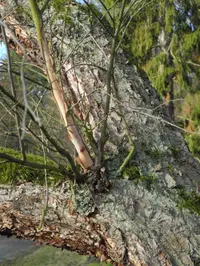
The trunk and branches form a thick, peeling, gray bark with irregular plates that resemble elephant skin, an adaptation that helps protect living tissues from intense sun and heat in its arid Mexican habitats.

Resin with citrus aroma

When the bark is lightly scratched, the plant releases an aromatic resin with a citrus‑pine scent, which is used locally as an incense and is part of the reason this species is commonly called Mexican frankincense.

Specialist desert bonsai

Because of its naturally thickened trunk, fine twigging, and small, pinnate leaves that respond well to pruning, this dryland tree is a favored species among succulent and bonsai growers who want to grow Bursera fagaroides in containers.

Botan icon

Did you know?

In the wild, this species often grows rooted directly into rock crevices on limestone or volcanic slopes, spreading its roots through narrow cracks to access limited moisture and minerals in extremely shallow soils.

FAQs about Mexican Frankincense

Yellowing leaves often result from overwatering, compacted or poorly drained soil, or sudden temperature drops. Check that the pot drains well, let the top layer of soil dry between waterings, and avoid cold drafts or abrupt changes.

Grow Healthy Plants with Botan Care

Keep your plants happy and healthy with plant identification, disease detection, and easy care guidance.

Botan plant care app — identify plants on mobile

Explore More Plants