Norfolk Island Pine Care (Araucaria heterophylla)

Also known as: Norfolk Island Araucaria, Star Pine, Norfolk pine

About Norfolk Island Pine

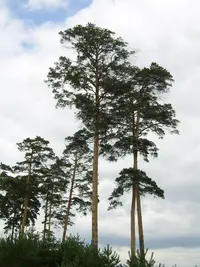
Norfolk Island pine, Araucaria heterophylla, is an evergreen conifer that often grows as a compact indoor tree in homes and offices. In nature it forms tall, symmetrical trees with whorled branches and soft, needle-like foliage.

This species is native to Norfolk Island in the South Pacific, where it grows in mild, maritime conditions. Indoors it stays much smaller and develops a tiered, airy structure that suits bright living spaces.

It is generally considered moderate in difficulty, as it dislikes abrupt changes in light, temperature, or moisture. Understanding how to care for Norfolk Island Pine focuses on stable conditions, bright indirect light, and evenly moist but well-drained soil.

Main Plant Requirements

Care Difficulty

Moderate Care

Light Preference

Bright Indirect Light

Water Requirements

Moderate Water

Temperature Preference

Tropical / Frost Sensitive

Hardiness Zone

10–11

Soil Texture

Sandy, Loamy, Organic-rich

Soil pH

Acidic (5.5–6.5), Slightly acidic (6.5–7.0)

Soil Drainage

Moist but well-drained

Fertilization

Minimal (feed rarely)

Get Personalized Care Plan

Scan your plant to receive care tips personalized for your specific plant

Personalized Care in the App

Available on iOS and Android

How to Care for the Norfolk Island Pine

Araucaria heterophylla prefers bright, gentle light that mimics coastal conditions.

  • Provide 4–6 hours of bright, indirect light or soft morning sun; avoid harsh midday sun, especially behind hot glass.
  • Tolerates light shade but growth becomes sparse and branches thin if light stays low for many weeks.
  • In summer, protect from intense afternoon sun to prevent needle scorch; in winter, move closer to the brightest window or a south-facing exposure to compensate for shorter days.

This species prefers evenly moist but not saturated soil, with short dry intervals at the surface.

  • Water when the top 2–4 cm of soil feels dry; pour slowly until excess drains, then empty any saucer so roots do not sit in water.
  • In warm, active growth, drying will be faster; in cooler months, extend intervals between waterings as evaporation and uptake slow.
  • Early needle drop and very dry, light soil suggest underwatering, while a sour smell, blackened roots, or persistently wet mix indicate overwatering in Araucaria heterophylla.

This conifer thrives in mild, frost-free conditions with stable temperatures.

  • Aim for 60–75°F (16–24°C) for steady growth; brief dips to 50°F (10°C) are usually tolerated but slow metabolism.
  • Avoid temperatures below 40°F (4°C); frost can brown needles and damage young shoots, especially in exposed, windy sites.
  • In hot weather above 85°F (29°C), provide shade from intense sun and maintain soil moisture to reduce heat stress, while ensuring air movement to prevent fungal issues.

This species prefers moderate humidity and reacts clearly to very dry indoor air.

  • Aim for 40–60% humidity; it tolerates brief dips lower but prolonged very dry air causes stress in Norfolk Island Pine.
  • Crisping or browning of inner and lower branch tips, especially in heated rooms, often indicates humidity is too low.
  • Increase humidity with a nearby humidifier, grouping plants, or a wide pebble tray under (not touching) the pot, rather than misting foliage.

Araucaria heterophylla grows best in a loose, well-drained, slightly acidic to neutral mix that stays lightly moist but never waterlogged.

  • Use a base of peat- or coir-based potting mix with added pine bark and perlite to create a light, airy, slightly sandy texture.
  • Aim for pH around 5.5–7.0; avoid strongly alkaline mixes that can reduce nutrient availability and cause yellowing foliage.
  • Improve drainage by adding 20–30% perlite or coarse sand and ensuring water runs quickly through, not pooling on the surface.
  • Avoid heavy clay-based mixes, large amounts of un-composted garden soil, or dense compost that compacts and suffocates roots.

This conifer is suitable for container growing when given a stable, deep pot that manages moisture and weight well.

  • Choose a pot with a broad, weighted base to prevent tipping as the plant becomes tall and top-heavy.
  • Select a pot deep enough to accommodate a descending taproot, rather than a wide but shallow container.
  • Use thick-walled terracotta or ceramic if extra weight and slightly faster drying are needed to balance moisture and stability.

This species benefits from light, consistent feeding but reacts poorly to heavy fertilizer applications.

  • Use a balanced liquid fertilizer (such as 10-10-10 or 20-20-20) at 1/4–1/2 strength for Norfolk Island Pine in active growth.
  • Feed every 4–6 weeks from spring through early fall, skipping applications if growth slows or plant looks stressed.
  • Stop feeding in late fall and winter, when indoor light is low and growth is minimal.
  • Flush the pot with plain water a few times per year to reduce salt buildup from fertilizer.

Araucaria heterophylla needs minimal pruning and does not respond well to heavy structural cuts.

  • Limit work to late winter or early spring so wounds heal as growth restarts.
  • Remove only dead, brown, or damaged branches at their base using clean, sharp pruning shears.
  • Avoid cutting the central leader, since this permanently distorts the natural tiered, conical shape.
  • Trim only very small, wayward branch tips if needed, as larger cuts can slow growth and invite disease.

Container-grown plants prefer slightly tight pots and only occasional repotting to avoid root disturbance.

  • Plan to repot every 2–3 years in spring when roots circle the pot, emerge from drainage holes, or growth becomes noticeably slower.
  • Choose a pot 2–5 cm wider with good drainage and a free-draining, slightly acidic mix, such as peat-based soil blended with perlite or sand.
  • Handle the root ball gently, loosening only the outermost circling roots, and keep the original soil level at the same height in the new pot.
  • Water thoroughly after repotting, then keep soil just lightly moist and the plant shaded from harsh sun for 1–2 weeks to reduce stress.

Sexual propagation by seed is standard for this species; vegetative propagation is possible but slow and technically demanding.

  • Sow fresh seeds in late winter or spring in a sterile, well-drained mix, barely covering them and spacing well to reduce damping-off disease.
  • Maintain 68–75°F, bright indirect light, and consistently lightly moist media; germination may take several weeks or longer.
  • Use a humidity dome or clear cover with small vents to keep air moist yet gently moving around seedlings.
  • Apical cuttings taken from young plants can root under warm, high-humidity conditions, but success rates are often low and growth remains slow.

This species is frost sensitive and needs careful winter management in temperate climates.

  • Move container plants indoors before temperatures drop below 40°F, placing them in bright, cool conditions around 55–65°F.
  • Keep soil slightly on the dry side in winter; allow the top 2–3 cm to dry before watering again.
  • Avoid cold drafts, heater blasts, and very dry air by positioning the plant away from exterior doors, vents, and radiators.

Care Tips

Quarterly rotation

Rotate the pot by 90° every 3–4 weeks so all sides receive similar light, which keeps the whorled branches balanced and reduces leaning or lopsided growth.


Trunk support strategy

If the main stem starts to lean, install a slim stake tied loosely at 2–3 points with soft ties, and remove or lower the support once new growth has thickened and can hold itself upright.

Branch protection indoors

Place the plant where passing people, doors, or pets will not brush against it, since the brittle tiered branches snap easily and do not regrow once broken.

Cool-season adjustment

In winter, when growth slows, cut back on handling and repotting, and keep the plant in a stable, bright position because sudden moves or drafts during this period increase needle drop.

Salt and fluoride avoidance

Use low-mineral water (filtered, rain, or left-out tap water if hard) and avoid high-fluoride tap water when possible, as excess salts and fluoride can cause browning at needle tips, which is a common issue when caring for Norfolk Island Pine.

Common Pests and Diseases

Scale insects

This pest feeds on needles and stems, causing yellowing, needle drop, and sticky honeydew on foliage and nearby surfaces.

Solution

Wipe or gently scrape off visible scales, then wash branches with lukewarm soapy water; for heavier infestations, use a horticultural oil or insecticidal soap, repeating every 7–10 days until new growth appears clean and monitoring closely as part of Norfolk Island Pine indoor care.

Spider mites

These insects thrive in warm, dry indoor air and cause fine webbing, dull or stippled needles, and progressive browning from the inner branches outward.

Solution

Rinse the entire plant under a lukewarm shower or with a hose to remove mites, then raise humidity and use insecticidal soap or a ready-to-use miticide on all needle surfaces, repeating treatments and inspections until no new damage appears.

Mealybugs

This pest appears as white, cottony clusters at needle bases and along stems, leading to distorted growth, yellowing, and sticky honeydew that can encourage sooty mold.

Solution

Dab individual clusters with cotton swabs dipped in isopropyl alcohol, then wash foliage and treat with insecticidal soap; isolate the plant, repeat checks weekly, and prune heavily infested twig tips to prevent reinfestation.

Needle blight

This disease causes browning or reddish discoloration of needles, often starting on lower, shaded branches, followed by premature needle drop and thinning of the plant’s lower tiers.

Solution

Prune and discard affected branches, improve light and air movement around the plant, avoid wetting the foliage when watering, and apply a labeled copper or sulfur-based fungicide if new lesions continue to appear.

Sooty mold

This disease develops as a black, sooty coating on needles and branches that grow sticky from honeydew produced by sap-feeding insects like scale or mealybugs, reducing light reaching the needles.

Solution

Control the underlying insect infestation first, then gently wash affected foliage with lukewarm water and mild soap to remove the fungal coating, repeating cleaning as needed and improving air circulation to keep surfaces drier.

Interesting Facts

Norfolk Island relic

This species is naturally restricted to Norfolk Island in the South Pacific, where it forms tall coastal forests on volcanic cliffs and slopes exposed to strong ocean winds.

Living Christmas substitute

It became popular in Europe and North America in the 19th century as a potted alternative to traditional cut Christmas trees because its tiered, symmetrical branches resemble a miniature conifer.

Not a true pine

Although commonly called Norfolk Island pine, it is not a member of the pine genus Pinus but belongs to the ancient conifer family Araucariaceae, which dates back to the time of the dinosaurs.

Botan icon

Did you know?

Wild individuals of this species can exceed 60 m in height on Norfolk Island, making them among the tallest trees in their native region and highly visible maritime landmarks for ships navigating nearby waters.

FAQs about Norfolk Island Pine

This conifer does not produce showy flowers indoors or in typical garden conditions. It forms small, cone-bearing structures only at full outdoor maturity, so lack of blooms is normal and not a sign of poor health.

Grow Healthy Plants with Botan Care

Keep your plants happy and healthy with plant identification, disease detection, and easy care guidance.


Botan plant care app — identify plants on mobile

Explore More Plants