Rock fig Care (Ficus petiolaris)

Also known as: Rock Fig

About Rock fig

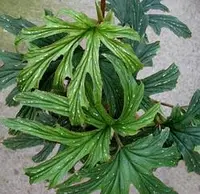
Rock fig, Ficus petiolaris, is a caudiciform fig known for its swollen, textured base and upright stems with broad, heart-shaped leaves. It is often grown as a sculptural container plant or bonsai-style specimen.

In nature it occurs in arid and rocky areas of Mexico, where it often anchors itself into cliffs and crevices. This background makes it relatively tolerant of drought and less dependent on constant watering.

Its growth is moderate and somewhat seasonal, often slowing or dropping some leaves in cooler or drier periods. With bright light, well-drained soil, and careful watering, it is not difficult to care for Rock fig.

Main Plant Requirements

Care Difficulty

Moderate Care

Light Preference

Partial Sun

Water Requirements

Low Water

Temperature Preference

Tropical / Frost Sensitive

Hardiness Zone

9–11

Soil Texture

Sandy, Loamy, Rocky

Soil pH

Slightly acidic (6.5–7.0), Neutral (7.0)

Soil Drainage

Well-drained

Fertilization

Minimal (feed rarely)

Get Personalized Care Plan

Scan your plant to receive care tips personalized for your specific plant

Personalized Care in the App

Available on iOS and Android

How to Care for the Rock fig

Ficus petiolaris prefers bright, indirect light that mimics open woodland edges or lightly filtered desert sun.

  • Provide 4–6 hours of bright, filtered light daily, such as east or bright north exposure; brief early-morning sun is fine, but avoid harsh midday or late-afternoon sun behind glass.
  • Outdoors, give light shade during 11 am–3 pm to prevent leaf scorch, especially in hot, dry regions; gradual acclimation reduces sunburn risk.
  • In lower light or partial shade (2–3 hours of indirect light), expect slower growth and longer internodes; move the Rock fig closer to a bright window or brighter outdoor spot if leaves pale or drop.

This semi-succulent fig stores moisture in its swollen base and prefers slightly dry conditions between thorough waterings.

  • Water only when the top 3–5 cm of soil feel dry; use your finger to check, then water deeply so moisture reaches the root zone and allow excess to drain away fully.
  • During warm active growth, drying may occur every few days in a porous, gritty mix; in cooler seasons or low light, drying can take 7–14 days or longer, so rely on touch rather than a fixed schedule.
  • Signs of overwatering include soft, yellowing leaves and a constantly wet, sour-smelling mix; hard, curling, and wrinkling leaves suggest underwatering, so shorten the dry interval slightly.

This species thrives in warm, dry climates and reacts quickly to cold or sudden temperature swings.

  • Aim for 65–85°F (18–29°C) for steady growth; brief peaks to 90°F (32°C) are tolerated if soil drains well and airflow is good.
  • Avoid temperatures below 40°F (4°C); tissue damage often starts near this point, and hard frost can kill young or container-grown plants.
  • In regions with cool winters, protect from cold drafts and radiating cold surfaces, and move plants under cover or indoors before nights regularly drop below 45°F (7°C).

This species prefers moderately dry air but benefits from slightly raised humidity indoors.

  • Aim for 40–60% humidity; prolonged levels below 30% can cause leaf edge browning and curling.
  • It tolerates typical heated or air‑conditioned rooms if soil moisture is steady and drafts are avoided.
  • Increase humidity locally with a pebble tray or grouping plants; mist only occasionally to avoid lingering leaf wetness.

This fig prefers a mineral, fast-draining mix that mimics rocky, arid habitats.

  • Use a gritty blend such as 40% cactus mix, 30% pumice or perlite, and 30% coarse sand or fine gravel for strong drainage.
  • Keep texture loose and airy so the caudex and roots dry quickly after watering and do not sit in saturated pockets.
  • Aim for slightly acidic to neutral pH, roughly 6.0–7.0, which suits Ficus petiolaris and most container mixes.
  • Avoid dense peat-heavy or clayey soils that compact, hold water around the caudex, and promote rot.

This species is well suited to container culture due to its compact, caudex-forming growth.

  • Choose a pot that is wider than it is deep to showcase and support the caudex while giving lateral root space.
  • Use unglazed terracotta if extra evaporation is needed in humid climates, or a thicker ceramic pot in very dry regions to slow moisture loss.
  • Select a stable, heavier container so the plant does not tip as the woody stems elongate and foliage mass increases.

Ficus petiolaris benefits from light, controlled feeding during the active growing season.

  • Use a balanced liquid fertilizer (around 10-10-10 or 20-20-20) diluted to 1/4–1/2 strength for caring for Rock fig in containers.
  • Feed every 4–6 weeks in spring and summer when growth is active, skipping applications if growth slows or soil stays cold.
  • Stop feeding in fall and winter to match the plant’s semi-dormant phase and reduce risk of weak, stretched growth.
  • For outdoor plants in the ground, use a thin layer of compost or a slow-release fertilizer once in spring instead of frequent liquid feeds.

Ficus petiolaris responds well to light, targeted pruning to manage size and structure.

  • Schedule most pruning for late winter or early spring before strong new growth begins.
  • Use clean, sharp bypass pruners to remove dead, damaged, crossing, or inward-growing branches first.
  • Shorten overly long shoots to maintain a balanced canopy and reveal the caudex, improving overall form.
  • Avoid heavy, drastic cuts in a single season to limit stress and reduce the risk of dieback.

This species grows slowly and prefers slightly snug conditions, so repotting is infrequent but sometimes necessary.

  • Check for roots circling the pot, growing through drainage holes, or very slow growth as signs it needs more space.
  • Plan repotting for late winter or early spring, every 2–3 years for young plants and less often for older specimens.
  • Choose a container 2–5 cm wider with excellent drainage and use a gritty, fast-draining mix to protect the caudex from rot.
  • Water lightly after repotting, keep in bright but indirect light for 1–2 weeks, and avoid fertilizing until new growth appears.

Ficus petiolaris is most commonly propagated from semi-hardwood stem cuttings taken during the warm season.

  • Take 8–12 cm semi-hardwood cuttings in late spring or early summer, including at least 2–3 nodes per cutting.
  • Let cut ends dry for 15–30 minutes to reduce sap flow, then dip in rooting hormone to improve success rates.
  • Insert cuttings into a well-draining mix (such as perlite and coarse sand), keep lightly moist, and maintain 70–80°F with high humidity.
  • Provide bright, indirect light and avoid waterlogging; expect root development in roughly 4–8 weeks before potting on.

This fig is frost sensitive and needs protection from low temperatures, especially in container culture.

  • Move potted plants indoors or to a greenhouse before temperatures drop below 40°F, giving bright, indirect light.
  • In mild climates, site in a sheltered spot and add a 5–8 cm mulch layer around the root zone, keeping mulch off the caudex.
  • Reduce watering in winter, allowing the mix to dry more between waterings to prevent cold-related root rot.
  • Avoid cold drafts and sudden temperature swings indoors, keeping the plant around 55–70°F for stable winter conditions.

Care Tips

Root-bound management

Allow the plant to become slightly root-bound in a snug terracotta pot to encourage a thicker caudex, but plan to step up only 2–3 cm in pot diameter every 2–3 years to avoid excess unused soil that stays wet.

Caudex exposure

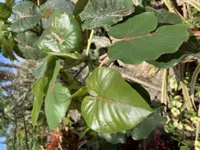
When repotting, brush away some soil to expose the upper part of the swollen caudex and keep this section dry and above the soil line to reduce rot risk and highlight the plant’s natural form.

Seasonal rest period

In late fall and winter, accept slower growth and some leaf drop, then reduce disturbance such as repotting or heavy fertilizing so the plant can complete its natural semi-dormant cycle.

Structured stem training

Use a slim, rigid stake and soft ties to guide young flexible stems upright or in gentle curves, adjusting ties every 4–6 weeks so the bark is not constricted as it thickens.

Preventive pest checks

Inspect leaf undersides, petioles, and the caudex crevices every 2–3 weeks for early signs of scale or spider mites, and wipe surfaces with a damp cloth or apply a gentle horticultural soap at the first sign of pests as part of consistent caring for Rock fig.

Common Pests and Diseases

Spider mites

This pest thrives in dry indoor air and can cause stippled, dull leaves and fine webbing on foliage and between petioles and the caudex. Symptoms include slow decline and leaf drop if populations build up.

Solution

Rinse foliage and petioles thoroughly with a strong, lukewarm water spray, then wipe leaves to remove mites and webbing; repeat every few days for 2–3 weeks. Increase humidity slightly, improve air circulation, and, if needed, apply an insecticidal soap or horticultural oil labeled for indoor use, making sure to coat the undersides of leaves.

Scale insects

These insects attach firmly along petioles, leaf veins, and the caudex, appearing as small brown or tan bumps that exude sticky honeydew. Leaves may yellow, growth slows, and sooty mold can develop on honeydew deposits.

Solution

Physically remove adults by gently scraping with a fingernail or cotton swab dipped in isopropyl alcohol, then wipe affected areas carefully. Follow up with repeated applications of insecticidal soap or light horticultural oil every 7–10 days, and isolate the plant from others until no new scale appears.

Mealybugs

This pest hides in leaf axils, along petioles, and around the caudex, leaving cottony white clusters and sticky honeydew. Symptoms include distorted new growth, leaf yellowing, and general decline if not controlled.

Solution

Inspect all crevices around the swollen base and petiole joints, then dab visible insects with cotton swabs dipped in 70% isopropyl alcohol. Rinse the plant after treatment and repeat inspections weekly, using insecticidal soap or a light horticultural oil if infestations persist, and discard heavily infested leaves if practical.

Edema

This disorder occurs when roots absorb water faster than the plant can use it, often in cool, low-light conditions, leading to corky, blister-like spots on leaves. Symptoms include rough, raised patches that may turn brown but usually do not spread between plants.

Solution

Reduce watering frequency so the substrate dries well between waterings, especially in cooler seasons, and ensure the pot has free-draining soil and unobstructed drainage holes. Increase light to bright indirect levels and maintain stable temperatures, which supports more balanced water use and prevents new lesions.

Leaf spot (fungal/bacterial)

This disease appears as small water-soaked or brown spots on leaves that may enlarge, merge, and develop a yellow halo, especially in crowded, humid conditions. Symptoms include premature leaf drop and an overall untidy canopy if many leaves are affected.

Solution

Promptly remove and discard affected leaves, avoid overhead watering, and keep foliage dry by watering at the soil level. Improve air circulation around the plant, reduce crowding, and, if spots continue to spread, use a labeled copper- or sulfur-based fungicide according to directions, focusing on new and emerging foliage as part of consistent Ficus petiolaris plant care.

Interesting Facts

Caudex storage organ

This species naturally develops a swollen, dome-shaped caudex that stores water and carbohydrates, allowing it to survive long dry periods in its native arid habitats of Mexico.

Petiole-based name

The species name petiolaris refers to its relatively long, slender leaf stalks (petioles), which often appear slightly pinkish and contrast with the gray-green leaf blades.

Vein pattern contrast

Mature leaves typically show a strong network of red to pink veins against a bluish or gray-green surface, a distinctive color contrast that makes this fig recognizable even among other caudiciform figs.

Botan icon

Did you know?

In its native range, this species often grows on rocky slopes or out of crevices, with roots anchoring into minimal pockets of soil, which has led to its common name rock fig and its strong adaptation to drought and intense sun exposure.

FAQs about Rock fig

Growth is moderate rather than fast. In good conditions, it may add 10–25 cm per year, slower in low light or small pots. A thickened caudex forms gradually over several years, so patience is important when growing Rock fig.

Grow Healthy Plants with Botan Care

Keep your plants happy and healthy with plant identification, disease detection, and easy care guidance.


Botan plant care app — identify plants on mobile

Explore More Plants