Raindrop Peperomia Care (Peperomia polybotrya)

Also known as: raindrop plant

About Raindrop Peperomia

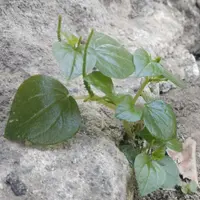
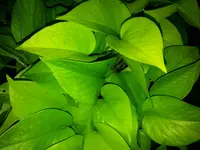
Raindrop peperomia (Peperomia polybotrya) is a compact tropical houseplant valued for its thick, glossy, raindrop-shaped leaves. It stays relatively small and forms a tidy, upright clump, making it suitable for shelves, desks, or windowsills. Native to rainforest regions of South America, it naturally grows in shaded understory conditions. This background explains its preference for bright, indirect light and moderate, steady moisture in a well-draining potting mix. Its succulent-like leaves store water, so it tolerates short dry spells and is generally forgiving for beginners. Understanding how to care for Raindrop Peperomia mainly involves avoiding overwatering and strong direct sun.

Main Plant Requirements

Care Difficulty

Easy Care

Light Preference

Bright Indirect Light

Water Requirements

Moderate Water

Temperature Preference

Tropical / Frost Sensitive

Hardiness Zone

11–12

Soil Texture

Loamy, Peaty, Organic-rich

Soil pH

Acidic (5.5–6.5), Slightly acidic (6.5–7.0)

Soil Drainage

Well-drained

Fertilization

Light (every 4–6 weeks)

Get Personalized Care Plan

Scan your plant to receive care tips personalized for your specific plant

Personalized Care in the App

Available on iOS and Android

How to Care for the Raindrop Peperomia

This species prefers bright, indirect light that mimics dappled forest shade.

  • Provide 6–8 hours of bright, filtered light each day, such as near an east- or north-facing window with sheer curtains.
  • Tolerates partial shade but growth becomes sparse in very low light; if stems stretch and leaves space out, move the Raindrop Peperomia closer to a brighter spot.
  • Avoid harsh midday or afternoon sun, especially behind glass, since it can scorch leaves; in winter, move slightly nearer to the window to compensate for weaker light.

Peperomia polybotrya stores moisture in its thick leaves and needs cautious, not frequent, watering.

  • Water only when the top 2–4 cm of soil feel dry, using room-temperature water, and allow excess to fully drain away.
  • Choose a free-draining mix and pot with drainage holes to reduce the risk of root rot; yellowing, mushy leaves usually indicate overwatering.
  • In spring and summer, soil may dry faster; in fall and winter, extend the interval between waterings and watch for limp, folding leaves as a sign it is time to water.

Stable, warm temperatures support compact growth and healthy leaves.

  • Aim for 65–80°F (18–27°C) for best growth, avoiding sudden swings from heating or air conditioning vents.
  • Protect the plant from temperatures below 55°F (13°C); prolonged exposure near this level can cause leaf drop and root damage.
  • This species does not tolerate frost or extreme heat; above 86°F (30°C), increase airflow and shade, and avoid placing it on hot surfaces or in enclosed cars.

This species stays healthy in typical indoor humidity but reacts if air is extremely dry.

  • Aim for 40–60% humidity, which suits Raindrop Peperomia without encouraging rot.
  • Crisping leaf edges, slow growth, and curling tips can indicate air that is too dry.
  • To raise humidity, group plants, place the pot on a pebble tray with water, or run a small room humidifier.

This plant prefers a loose, airy, and fast-draining potting medium that resists waterlogging.

  • Use a mix of 50–60% all-purpose potting mix with added perlite and fine bark to keep the soil chunky and oxygenated.
  • Maintain a slightly acidic to neutral pH around 6.0–7.0, which supports nutrient uptake for Peperomia polybotrya.
  • Avoid compacted, clay-heavy, or peat-only substrates that stay wet, as these promote root rot and stem collapse.
  • If existing soil drains slowly, amend with extra perlite or pumice and a small amount of coarse sand to improve structure.

This species is well suited to container growing due to its compact root system and modest size.

  • Choose a shallow to medium-depth pot to match the relatively fine roots and limit excess unused wet substrate.
  • Use a container with several unobstructed drainage holes so water exits within seconds of watering, preventing soggy pockets.
  • Select a heavier ceramic or stone pot if the plant becomes top-heavy, reducing the risk of tipping when the foliage enlarges.

This plant benefits from light, consistent feeding rather than heavy fertilization.

  • Use a balanced liquid fertilizer around 10-10-10 or 20-20-20, diluted to 25–50% strength for Raindrop Peperomia.
  • Feed every 4–6 weeks during spring and summer when growth is active.
  • Skip or reduce feeding to 1 light application in fall and none in midwinter.
  • Avoid compost-heavy mixes or slow-release pellets that may keep soil too rich or soggy.

Peperomia polybotrya needs only light, purposeful pruning to stay compact and healthy.

  • Best time to prune is in spring or early summer when growth resumes.
  • Remove yellowing, dead, or damaged leaves with clean, sharp scissors or small pruning shears.
  • Trim long, leggy stems back to a leaf node to encourage bushier growth and a neater shape.
  • Pinch off unwanted flower spikes if desired to direct energy into foliage.

This species prefers slightly tight pots and only occasional repotting.

  • Check for roots circling the pot, growing through drainage holes, or unexplained slow growth as signs repotting is needed.
  • Repot every 2–3 years in spring, moving up only 2–3 cm in pot diameter.
  • Use a well-draining mix, handling roots gently and keeping the root ball mostly intact.
  • Water lightly after repotting, then allow the top soil to dry to reduce root stress and rot risk.

New plants are most commonly produced from stem cuttings rather than seed.

  • Take 1–2 node stem cuttings in spring or early summer from healthy, non-flowering shoots.
  • Remove lower leaves and place cut ends in moist, airy mix or water until roots reach 2–3 cm.
  • Maintain bright, indirect light and stable warmth around 70–75°F with moderate humidity.
  • Once rooted, pot individually, keeping soil slightly moist but not waterlogged for the first few weeks.

This tropical houseplant is not frost hardy and needs mild, stable indoor conditions in winter.

  • Keep temperatures around 65–75°F and avoid drops below 55°F to prevent leaf damage.
  • Move container plants away from cold windows, drafts, and exterior doors.
  • Allow the soil surface to dry more between waterings, as growth slows in low light.
  • Provide bright, indirect light and avoid sudden changes in temperature or humidity.

Care Tips

Rotate For Symmetry

Turn the pot 90° every 1–2 weeks so the petiole-heavy leaves develop evenly and the plant maintains a balanced, upright form instead of leaning toward the light source.

Support Top-Heavy Stems

If older plants start to lean, insert a slim bamboo stake close to the main stem and secure it with soft plant ties so the succulent stems do not crease or snap under the weight of mature leaves.

Leaf Cleaning Routine

Wipe each leaf gently with a barely damp, soft cloth every 3–4 weeks to remove dust, which improves light capture and helps you spot early signs of pests or mechanical damage.

Check Petioles For Rot

During each watering, briefly inspect where the petioles meet the stem and soil line and remove any mushy, darkened tissue with sterilized scissors to stop early rot from spreading through the crown.

Use Stable Containers

Choose a heavier ceramic or clay pot rather than a very light plastic one so the plant does not tip over as leaves enlarge and so you can move it safely when caring for Raindrop Peperomia.

Common Pests and Diseases

Mealybugs

These insects feed on sap and hide in leaf axils and along petioles, often leaving white, cottony clusters on the thick leaves and stems. Symptoms include sticky honeydew and slow, weakened growth.

Solution

Isolate the plant, then wipe pests off leaves, petioles, and stem joints with cotton swabs dipped in 70% isopropyl alcohol, repeating weekly until no new insects appear. For heavier infestations, rinse the plant under a gentle shower and use a ready-to-use insecticidal soap, ensuring good air circulation and avoiding excess watering while the plant recovers.

Spider mites

These pests thrive in warm, dry indoor air and can stipple the fleshy leaves, causing a dull, speckled appearance and fine webbing between leaves and petioles. This pest may cause leaves to lose their gloss and drop prematurely if unchecked.

Solution

Increase humidity to 40–60%, then rinse both sides of the leaves under a gentle shower to remove mites and webbing. Follow up with repeated applications of insecticidal soap or a horticultural oil labeled for indoor use every 7–10 days, focusing on the undersides of leaves and improving airflow around the plant.

Edema

This physiological disorder occurs when roots absorb water faster than the leaves can transpire it, leading to corky, blister-like spots or raised bumps on the thick, raindrop-shaped leaves. Symptoms include scattered rough, tan or brown patches while new growth may appear relatively normal.

Solution

Allow the potting mix to dry more between waterings, keeping the plant in bright, indirect light at a stable 65–80°F. Improve drainage with a chunky, airy mix and a pot with drainage holes, and avoid sudden shifts from low to high light that can change transpiration rates too quickly.

Fungal leaf spots

This disease appears as small, water-soaked spots that enlarge into brown or black lesions, often starting on older lower leaves where moisture lingers. Symptoms include yellow halos around spots and possible premature leaf drop under low light and high humidity conditions.

Solution

Remove and discard affected leaves, keep foliage dry by watering at the soil level, and increase airflow by spacing plants and using a small fan if needed. If new spots continue to appear, apply a copper-based or other houseplant-safe fungicide according to label directions and avoid crowding the plant in overly humid corners.

Fungus gnats

These small, dark flies lay eggs in consistently moist potting mix, and larvae feed on organic matter and fine roots, which can stress the shallow root system. Symptoms include tiny flies hovering around the pot and slow or uneven growth in very wet substrates.

Solution

Let the top 2–3 cm of the mix dry between waterings, and use a well-draining, airy substrate to discourage larvae. Add yellow sticky traps to catch adults and, if needed, drench the soil with a biological control such as Bacillus thuringiensis israelensis (Bti), repeating as directed until gnat activity stops, which supports effective Peperomia polybotrya plant care.

Interesting Facts

Distinct raindrop leaf shape

This species has thick, asymmetrical, drop-shaped leaves with a pronounced tip, which distinguishes it from similar round-leaved species like Pilea peperomioides despite their frequent confusion in cultivation.

Semi-succulent water storage

The leaves and petioles act as semi-succulent tissues, storing water and allowing the plant to tolerate brief dry periods better than many other tropical understory plants.

Native to Andean foothills

It is naturally distributed in the tropical regions of Colombia and Peru, where it grows as a small understory plant in warm, humid forests with bright but filtered light.

FAQs about Raindrop Peperomia

Brown edges or tips usually result from low humidity, irregular watering, or fertilizer buildup. Allow the top soil to dry slightly, flush the pot occasionally, avoid direct hot air from vents, and trim damaged leaves if needed.

Grow Healthy Plants with Botan Care

Keep your plants happy and healthy with plant identification, disease detection, and easy care guidance.

Botan plant care app — identify plants on mobile

Explore More Plants