Heart of Jesus Care (Caladium bicolor)

Also known as: Angel Wings

About Heart of Jesus

Heart of Jesus (Caladium bicolor) is a tropical tuberous plant grown mainly for its colorful, patterned leaves rather than its flowers. It is commonly used as a shade-loving ornamental in containers, borders, and indoor displays.

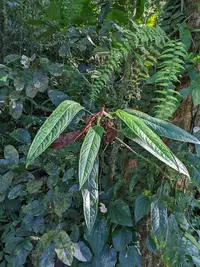
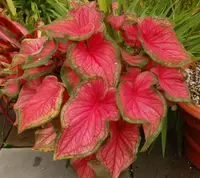
Leaves are thin, heart-shaped, and can show striking mixes of white, red, pink, and green, often with strong veins and mottling. Plants grow in clumps from underground tubers and are usually dormant in cooler, dry seasons.

Caladium bicolor comes from warm, humid regions of South America, especially Brazil, where it grows on the forest floor. Its thin foliage, tropical origin, and dormant period make it somewhat sensitive, so it helps to learn how to care for Heart of Jesus before growing it indoors long term.

Main Plant Requirements

Care Difficulty

Moderate Care

Light Preference

Partial Shade

Water Requirements

Keep Soil Moist

Temperature Preference

Tropical / Frost Sensitive

Hardiness Zone

9–11

Soil Texture

Loamy, Peaty, Organic-rich

Soil pH

Acidic (5.5–6.5), Slightly acidic (6.5–7.0)

Soil Drainage

Moist but well-drained

Fertilization

Moderate (every 2–4 weeks)

Get Personalized Care Plan

Scan your plant to receive care tips personalized for your specific plant

Personalized Care in the App

Available on iOS and Android

How to Care for the Heart of Jesus

Caladium bicolor prefers bright, indirect light that protects its thin leaves from scorching while supporting strong color.

  • Outdoors, place in dappled or filtered light under trees or shade cloth, with 2–4 hours of gentle morning sun and shade from harsh midday and afternoon rays.
  • Indoors, Heart of Jesus grows best near an east or north window; use sheer curtains on south or west windows to diffuse direct sun.
  • If leaves fade, stretch, or lose contrast, light is likely too low; if edges crisp or develop bleached patches, reduce direct sun exposure.

Caladium bicolor requires evenly moist but not waterlogged soil to support its fleshy tubers and thin foliage.

  • Water when the top 2–3 cm of soil feels dry, soaking the root zone thoroughly, then let excess drain away to avoid standing water around tubers.
  • Use a loose, free-draining mix and raised beds or containers with drainage holes to reduce the risk of rot, especially in heavy rain or humid climates.
  • Reduce watering when growth slows at the end of the season and leaves yellow or collapse; mushy tubers or sour-smelling soil indicate overwatering.

This species grows best in consistently warm, frost-free conditions and reacts quickly to cold stress.

  • Maintain active growth at 70–85°F (21–29°C); foliage quality declines below about 65°F (18°C) with slower leaf expansion and duller color.
  • Protect from temperatures below 55°F (13°C); at 50°F (10°C) and under, leaves may collapse, and frost can kill foliage outright.
  • In hot spells above 90°F (32°C), provide shade, mulch, and consistent soil moisture; in cooler seasons, tubers can be stored dry indoors until temperatures rise again.

This plant needs consistently high humidity to keep foliage healthy and minimize leaf damage.

  • Aim for 60–80% humidity, as dry household air quickly browns leaf edges and tips on Heart of Jesus.
  • Crisping margins, curling leaves, and stalled growth indicate humidity stress rather than underwatering or light issues.
  • Increase humidity with grouped plants, a room humidifier, or a wide pebble tray under the pot, avoiding misting that leaves foliage wet for long periods.

Caladium bicolor prefers a loose, airy, organic-rich substrate that drains quickly yet stays lightly moist.

  • Use a mix of roughly 50% peat or coco coir, 30% fine bark, and 20% perlite to balance moisture retention and air pockets.
  • Aim for slightly acidic to neutral pH around 5.5–7.0, which supports nutrient availability and healthy root function.
  • Improve aeration by avoiding compaction; gently fill and tap the potting mix rather than pressing it down firmly.
  • Avoid heavy garden soil, clayey mixes, or pots that stay waterlogged, which promote tuber rot and fungal problems.

This species is well suited to container growing for controlled moisture and seasonal display.

  • Choose a wide, shallow pot so tubers can spread horizontally without sitting in a deep column of wet mix.
  • Select plastic or glazed ceramic containers when slower drying is desired, and unglazed terracotta if the site stays humid or shaded.
  • Ensure the container is stable and not easily tipped, since large, tall leaves can catch wind and make the plant top-heavy outdoors.

Caladium bicolor benefits from consistent but moderate feeding during its active growing season.

  • Use a balanced liquid fertilizer (such as 10-10-10 or 20-20-20) diluted to 1/4–1/2 strength for caring for Heart of Jesus.
  • Feed every 2–3 weeks in spring and summer when leaves are actively expanding.
  • Avoid compost-heavy mixes that stay soggy; excess nutrients plus wet soil increase rot risk.
  • Stop feeding and let soil nutrients deplete naturally as foliage yellows and tubers enter dormancy in fall.

Caladium bicolor needs only light, maintenance-focused pruning.

  • Best timing is during the growing season, removing leaves that are yellowing, torn, or diseased at the base with clean scissors or pruners.
  • Cut back soft, collapsing petioles promptly to limit fungal issues and keep the clump tidy.
  • Thin crowded, older leaves to increase light and air movement to young foliage.
  • Avoid cutting healthy tubers; pruning mainly manages foliage appearance, not plant size.

This tuberous plant is usually repotted or lifted and reset rather than kept in the same container long term.

  • Plan major repotting or transplanting in late winter to early spring, just before new shoots emerge from the tubers.
  • Look for roots circling the pot, water running straight through, or reduced leaf size as cues to move up 1 pot size.
  • Gently remove old, soggy mix, keep tubers intact, and place them in fresh, airy, well-drained medium with buds facing up.
  • Water lightly after repotting and keep warm and slightly moist to reduce root stress while new roots establish.

This species is most commonly propagated by division of its tubers rather than by seeds or cuttings.

  • Lift tubers in late winter or very early spring, before strong sprouting, when division stress is lowest.
  • Use a clean, sharp knife to cut large tubers into sections, each with at least 1–2 visible growth buds.
  • Dust cut surfaces with a dry fungicide or cinnamon and let them dry for several hours to callus.
  • Replant sections in warm (70–80°F), slightly moist, well-drained medium and keep humidity moderate until new shoots appear.

Caladium bicolor is not frost hardy and needs deliberate winter care in most temperate climates.

  • In USDA zones below 9, lift tubers after foliage dies back from the first light frost and dry them indoors.
  • For in-ground plants in mild climates, add a 5–8 cm mulch layer over the root zone to insulate tubers.
  • Move container plants indoors before temperatures drop below 55°F, keeping the soil almost dry during dormancy.
  • Store dormant tubers in a breathable bag or box at 60–70°F in a dark, dry place until spring planting.

Care Tips

Pre-sprout Indoors

Start tubers in shallow trays of barely moist, sterile mix at 70–80°F for 2–3 weeks before potting or planting, which shortens outdoor establishment time and gives a more uniform flush of foliage.

Staggered Planting

Plant tubers in 2–3 batches spaced 10–14 days apart so the display lasts longer into summer and early fall, especially in regions with short warm seasons.

Rotate Containers

Turn containers 90° every 7–10 days so leaves receive more even light exposure and petioles do not stretch or lean strongly in one direction, which keeps the plant compact and balanced.

Mark Dormant Tubers

When foliage dies back and pots look empty, label containers clearly and store them in a dry, frost-free place so the resting tubers are not accidentally discarded or overwatered during dormancy.

Inspect Leaf Undersides

Check the undersides of new leaves weekly for spider mites, aphids, or thrips, and if pests are found, rinse with a firm stream of water or apply an appropriate insecticidal soap early, as this is key when caring for Heart of Jesus in warm, dry indoor conditions.

Common Pests and Diseases

Caladium mosaic virus

This disease causes mottled, distorted, or streaked leaves and can reduce plant vigor and tuber quality. Symptoms include irregular light and dark patches, twisted foliage, and smaller leaves.

Solution

Remove and discard infected plants and tubers, since viral infections cannot be cured, and do not propagate from affected stock. Control aphids and other sap-sucking insects that spread the virus, disinfect tools, and purchase only certified, virus-free tubers when growing Heart of Jesus.

Fusarium tuber rot

This disease infects caladium tubers, causing soft, discolored, or dry rotted areas that lead to poor sprouting and stunted or collapsed plants. Symptoms include sunken lesions on tubers and yellowing foliage that wilts prematurely.

Solution

Discard all visibly rotted tubers and avoid planting in poorly drained or cold, wet soil. Use clean, sharp tools, consider a fungicidal dip labeled for ornamental tubers before planting, and rotate planting sites to soil that has not recently grown caladiums or related bulbs.

Pythium root and stem rot

This disease develops in overly wet or poorly drained media, leading to water-soaked stems, blackened roots, and sudden plant collapse. Symptoms include yellowing leaves, wilting despite moist soil, and a mushy crown at soil level.

Solution

Improve drainage, avoid waterlogged conditions, and allow the top of the potting mix to dry slightly between waterings. Remove and discard severely affected plants, use clean pots and fresh sterile mix, and avoid reusing contaminated soil.

Aphids

These insects cluster on young leaves and stems, sucking sap and causing curling, distortion, and sticky honeydew that can lead to sooty mold growth. This pest can also transmit viruses between plants.

Solution

Wash colonies off foliage with a firm stream of water, repeating as needed. For persistent infestations, apply insecticidal soap or a light horticultural oil, ensuring thorough coverage of leaf undersides while keeping plants out of direct harsh sun until dry.

Spider mites

These pests thrive in warm, dry indoor or greenhouse conditions and feed on leaf undersides, causing fine stippling, dull or bronzed foliage, and fine webbing. Symptoms include slowed growth and leaves that lose their vivid coloration and crisp patterning.

Solution

Increase humidity around plants, rinse foliage thoroughly with lukewarm water, and isolate infested specimens. For ongoing problems, apply insecticidal soap or a miticide labeled for ornamental plants, targeting the undersides of leaves and repeating treatments according to label directions.

Interesting Facts

Natural forest understory

This species is native to the shaded understory of tropical forests in South America, especially Brazil, where its patterned leaves help it capture limited, filtered light efficiently.

Seasonal tuber dormancy

Caladium bicolor grows from a specialized underground storage organ called a tuber and naturally enters a dry-season dormancy, shedding its leaves completely before resprouting when conditions turn warm and moist again.

Extensive color variation

Selective breeding of this species has produced hundreds of cultivars with different combinations of white, pink, red, and green, making it one of the most diverse foliage ornamentals derived from a single wild species.

Botan icon

Did you know?

In parts of its native range, wild Caladium bicolor populations show leaf patterns and colors that can vary noticeably even within a small area, providing botanists with a living example of how strong natural and human selection can quickly generate visual diversity from one species.

FAQs about Heart of Jesus

All parts of this species contain insoluble calcium oxalate crystals, which can irritate the mouth, throat, and digestive tract. Pets and children may drool, vomit, or show discomfort if they chew the leaves or stems.

Grow Healthy Plants with Botan Care

Keep your plants happy and healthy with plant identification, disease detection, and easy care guidance.

Botan plant care app — identify plants on mobile

Explore More Plants