


Flat, Wide Containers
Use a shallow, wide pot or tray so the creeping stems can spread horizontally and root along the surface, creating a denser mat over time.

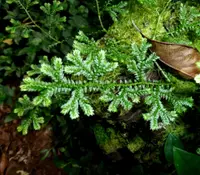
Krauss's clubmoss (Selaginella kraussiana) is a small, creeping spikemoss often used as a dense, moss-like groundcover or a soft, ferny houseplant. Its fine, branching stems form tight mats of tiny, bright green leaves that give a lush, carpeted look.
In nature, it grows on shaded, humid forest floors in parts of Africa and has adapted to cool, consistently moist conditions. This background makes it sensitive to drying out but quite tolerant of low to medium light indoors.
Those who learn how to care for Krauss's Clubmoss find it rewarding, but it is less forgiving of neglect than many common foliage plants.

Care Difficulty
Moderate Care

Light Preference
Partial Shade

Water Requirements
Keep Soil Moist

Temperature Preference
Tropical / Frost Sensitive

Hardiness Zone
9–11

Soil Texture
Loamy, Peaty, Organic-rich

Soil pH
Acidic (5.5–6.5), Slightly acidic (6.5–7.0)

Soil Drainage
Moist but well-drained

Fertilization
Light (every 4–6 weeks)
Scan your plant to receive care tips personalized for your specific plant
Available on iOS and Android
This shade-loving groundcover needs soft, indirect light to stay dense and green.
This plant prefers consistently moist conditions without waterlogging.
This humidity-loving species thrives in mild, stable temperatures without sudden drops.
This species needs consistently high humidity to thrive indoors.
This plant prefers a loose, consistently moist, organic-rich substrate.
This species is well suited to shallow, wide containers.
This plant benefits from light, consistent feeding but is sensitive to excess salts.
Light pruning helps maintain a dense, healthy mat of Selaginella kraussiana.
Repotting keeps this shallow-rooted species evenly moist and prevents root congestion.
Selaginella kraussiana is commonly propagated vegetatively because spores are impractical for home growers.
This species is frost-tender and needs protection from freezing temperatures, especially in containers.

Plant Health Check
Not sure what's wrong with your plant? Check your plant's health inside the app.
This species naturally forms dense, creeping mats on the forest floor in its native range of East and South Africa, creating a living carpet that helps stabilize soil and retain surface moisture in humid, shaded habitats.
Although it looks like a moss, it is a vascular plant with tiny vein-bearing leaves and belongs to Selaginellales, a very old lineage of land plants that diverged long before flowering plants evolved.
It produces two distinct spore types, microspores and megaspores, a reproductive strategy called heterospory that is evolutionarily significant because it represents an early step toward the separated male and female gametes seen in seed plants.

In mild, moist climates outside its native African range, this species can escape cultivation and spread aggressively along shaded, damp ground and walls, and it is already recorded as invasive or naturalized in parts of New Zealand, Australia, and the Pacific Northwest of the United States.
This species does not climb. It forms low, creeping mats with branching stems that root as they touch the soil. Over time it creates a dense ground-hugging carpet, useful for covering shaded, humid spots or terrarium floors.
Keep your plants happy and healthy with plant identification, disease detection, and easy care guidance.

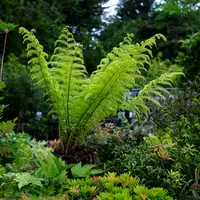
Hispidula dicksoniae
Hispidula dicksoniae
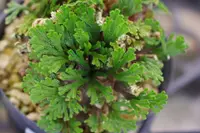
Peacock Moss
Selaginella uncinata
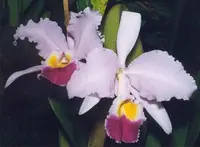
Christmas orchid
Cattleya trianae
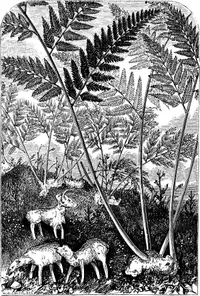
golden chicken fern
Cibotium barometz
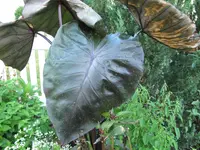
Elephant Ear
Colocasia esculenta Royal Hawaiian Black Coral
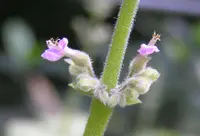
Indian Borage
Coleus amboinicus
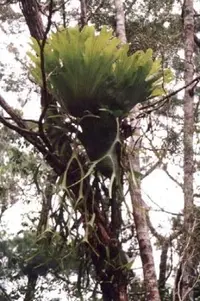
Platycerium coronarium
Platycerium coronarium
trumpet-flowered sinningia
Sinningia tubiflora