Shallow Potting
Use a wide, shallow pot and plant the fern high in the container so the crown sits just above the mix, which keeps new fronds from rotting at the base.

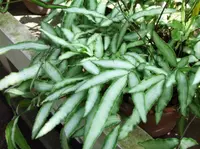
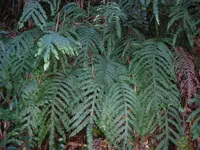
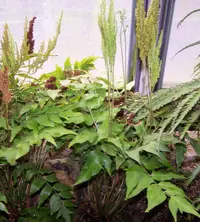
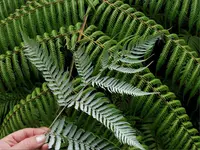
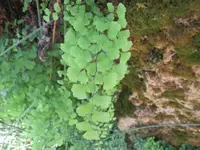
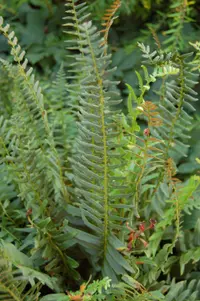
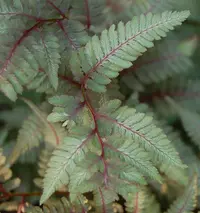
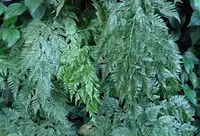
Ribbon ferns (Pteris cretica) are compact, evergreen ferns grown mainly as foliage houseplants. They form low clumps of arching fronds that create a soft, airy look. The fronds are typically narrow with pale or silvery midribs, giving a striped or ribbon-like effect. Plants spread from short rhizomes and suit pots, terrariums, and shaded indoor displays. Pteris cretica occurs naturally in warm, humid regions of Europe, Asia, and Africa, usually in sheltered, moist habitats. It is considered moderately easy to grow when its basic needs are met, so learning how to care for Ribbon Ferns helps avoid problems with crisping fronds or stunted growth. It prefers bright, indirect light, evenly moist soil, and good humidity.

Care Difficulty
Moderate Care

Light Preference
Bright Indirect Light

Water Requirements
Keep Soil Moist

Temperature Preference
Tropical / Frost Sensitive

Hardiness Zone
9–11

Soil Texture
Loamy, Peaty, Organic-rich

Soil pH
Acidic (5.5–6.5), Slightly acidic (6.5–7.0)

Soil Drainage
Moist but well-drained

Fertilization
Light (every 4–6 weeks)
Scan your plant to receive care tips personalized for your specific plant
Available on iOS and Android
This fern prefers soft, indirect light that mimics a woodland understory.
Moist, airy soil is essential for healthy fronds and roots.
Stable, mild temperatures support steady fern growth.
This fern prefers moderately high, stable humidity to keep fronds lush and free of stress.
This fern needs a loose, moisture-retentive but fast-draining mix that mimics forest floor conditions.
This species is well suited to container growing when moisture and root space are managed carefully.
Pteris cretica benefits from light, consistent feeding during active growth but is sensitive to overfertilization.
Pteris cretica responds well to light, hygienic pruning that keeps the fern tidy and encourages fresh fronds.
Pteris cretica prefers slightly snug pots but benefits from periodic repotting to refresh the root zone.
Pteris cretica is most reliably propagated by division rather than from spores in home conditions.
Pteris cretica is only moderately cold tolerant and usually needs indoor conditions or shelter in winter.

Plant Health Check
Not sure what's wrong with your plant? Check your plant's health inside the app.
In the wild, this fern often grows on limestone cliffs and rocky walls, tolerating higher calcium levels than many other fern species that usually prefer acidic conditions.
Some populations produce spores that develop into new plants without fertilization, a process called apomixis, while others reproduce sexually, so different cytotypes can exist within what is treated as a single species.
Although native to parts of Europe, Asia, and Africa, this species has naturalized in places such as the southeastern United States and Pacific islands after escaping from long-term cultivation as a foliage plant.

The species shows remarkable morphological variation in frond shape and division, which has led to the naming of numerous forms and cultivars and historically caused confusion over how many distinct species were actually involved.
Yes, this species works well indoors because it stays compact, tolerates lower light than many houseplants, and has fine, arching fronds. Good Ribbon Ferns indoor care includes stable temperatures, consistent moisture, and protection from dry drafts.
Keep your plants happy and healthy with plant identification, disease detection, and easy care guidance.