Rose of Jericho Care (Selaginella lepidophylla)

Also known as: resurrection plant, false rose of Jericho, resurrection moss, dinosaur plant

About Rose of Jericho

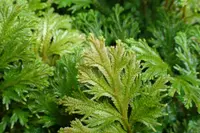
Rose of Jericho, Selaginella lepidophylla, is a desert resurrection plant known for its ability to dry out completely and later rehydrate and green up again. It is actually a spikemoss, not a true flowering rose, and forms a tight brown ball when dry.

In its native habitats of the Chihuahuan Desert in the United States and Mexico, it survives long droughts by curling inward and going dormant. This on-off growth habit makes it unusual but generally simple to keep alive.

Those who want to learn how to care for Rose of Jericho should know it prefers bright, indirect light, repeated wet-dry cycles, and good air circulation rather than constant soggy conditions.

Main Plant Requirements

Care Difficulty

Moderate Care

Light Preference

Bright Indirect Light

Water Requirements

Keep Soil Moist

Temperature Preference

Tropical / Frost Sensitive

Hardiness Zone

Unknown

Soil Texture

Sandy, Rocky, Organic-rich

Soil pH

Slightly acidic (6.5–7.0), Neutral (7.0)

Soil Drainage

Well-drained

Fertilization

Minimal (feed rarely)

Get Personalized Care Plan

Scan your plant to receive care tips personalized for your specific plant

Personalized Care in the App

Available on iOS and Android

How to Care for the Rose of Jericho

This desert spike moss prefers bright, indirect light that mimics high, open shade in arid habitats.

  • Provide 4–6 hours of bright, filtered light daily, such as light behind a sheer curtain or under dappled shade outdoors.
  • Allow soft morning sun but avoid strong midday and afternoon sun, which can bleach fronds and cause crisp, brown tips on Rose of Jericho.
  • In winter or overcast seasons, move closer to a bright window or brighter outdoor spot, but still shield from direct, scorching rays.

This resurrection plant has unusual watering needs because it tolerates complete drying yet grows best with consistent moisture in the active phase.

  • For active green growth, rewater when the top 2–3 cm of its medium feel barely dry, aiming for evenly moist but never soggy conditions.
  • Use a free-draining, sandy or gritty mix; standing water or compact soil leads to rot, limp stems, and a musty smell indicating overwatering.
  • Crisp, tightly curled fronds signal dryness; submerge or soak for 3–4 hours, then drain thoroughly, and let it rest dry for several days between hydration cycles.

This species prefers warm to hot conditions but survives a broad temperature range when dry and dormant.

  • Aim for 70–85°F (21–29°C) during active growth; short exposures up to 95°F (35°C) are tolerated if there is shade and good airflow.
  • Avoid frost; growth stops below about 50°F (10°C), and repeated drops near 32°F (0°C) can damage tissues despite its drought dormancy.
  • In cool seasons, keep in a stable, draft-free spot, and in hot summers protect from heat radiating surfaces like stone or metal that can exceed 100°F (38°C).

This species needs consistently high humidity to stay green and hydrated.

  • Aim for 60–80% humidity; dry central heating air quickly dehydrates the plant.
  • In very dry air the fronds curl tightly, turn brownish, and growth pauses until moisture returns.
  • Place the Rose of Jericho on a pebble tray with water, group it with other plants, or use a small humidifier nearby.

Selaginella lepidophylla is usually grown on shallow media, but benefits from a loose, moist, well-drained base when not kept bare in water.

  • Use a fine, airy mix such as 2 parts peat or coco coir, 1 part perlite, and 1 part fine bark or leaf mold.
  • Ensure the mix holds moisture but drains freely so roots and stems never sit in stagnant, waterlogged pockets.
  • Keep pH slightly acidic to neutral, roughly 5.5–7.0, avoiding strongly alkaline mixes with high lime content.
  • Avoid dense clay, heavy garden soil, or pure sand, which either suffocate the rhizomes or dry out unevenly.

This species is well-suited to shallow containers and decorative bowls.

  • Choose a wide, shallow container so the plant can spread while surface moisture remains easy to control.
  • If using a container without drainage, keep only a thin water layer and let the plant dry slightly between soakings to prevent rot.
  • Opaque or ceramic containers slow evaporation, helping maintain the consistently damp environment this desert resurrection plant prefers.

This desert resurrection plant needs only minimal feeding in containers, and unmanaged clumps in nature or wild-style displays usually grow well without extra fertilizer.

  • If desired, apply a very dilute balanced liquid fertilizer (around 1/4 strength, such as 10-10-10) once in mid-spring for Rose of Jericho kept actively hydrated.
  • Feed only during active growth when the plant is open and green, never when it is dry and dormant.
  • Avoid slow-release pellets and rich compost that can encourage rot in this shallow root system.

Pruning Selaginella lepidophylla is mainly hygienic, aimed at removing dead material and preserving a tidy rosette.

  • Best time is after a full hydration cycle, when fronds are open and you can clearly see dead or decayed tips.
  • Use small, sharp scissors or fine snips to remove brown, moldy, or damaged sections close to the base.
  • Trim lightly around the edges to refine shape, avoiding heavy cuts that remove large portions of living tissue.

Container-grown resurrection plants are rarely repotted; they are usually repositioned on a shallow dish or substrate rather than moved for root space.

  • Repot or reset only if the mounting medium breaks down, drainage becomes poor, or the plant no longer sits stably.
  • Any season is acceptable, but many growers choose spring to coincide with increased light and more frequent hydration cycles.
  • Lift the dry Selaginella lepidophylla gently, shake off loose debris, and place on fresh gravel, sand, or a very free-draining mix.
  • Keep roots just moist after repositioning, avoiding waterlogging to minimize stress and prevent rot.

Propagation of Selaginella lepidophylla at home is uncommon and slow, so most owners maintain a single clump rather than multiplying it.

  • Division is the most practical method; separate small natural segments from the main ball when the plant is dry.
  • Rehydrate the divisions on a shallow tray with pebbles and a thin layer of water, keeping the base just moist, not submerged.
  • Provide bright, indirect light and stable warmth (around 68–80°F) while new roots establish over several weeks.

This resurrection plant tolerates complete dry dormancy and generally needs no special winter protection indoors.

  • In cold regions, keep any outdoor display above freezing by bringing it into a frost-free area before temperatures drop near 32°F.
  • Maintain it mostly dry in winter; brief hydration cycles are optional but should allow full drying between soakings.
  • Avoid placing near heating vents or very cold windows, which can cause rapid temperature swings and stress.

Care Tips

Controlled hydration cycles

Limit rehydration periods to 5–7 days at a time, then allow the plant to dry completely for at least 1–2 weeks to prevent tissue rot and mimic its natural desert dormancy cycle.

Use shallow dishes

Place the plant in a wide, shallow dish with just enough water to cover the base, never submerging the whole ball, so the inner stems do not stay waterlogged and start decaying.

Rinse between cycles

Every few hydration cycles, rinse the plant under cool running water and change the dish water daily during rehydration to reduce mineral buildup and discourage mold growth.

Support open rosettes

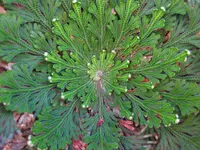
When the plant is fully unfurled, sit it on a thin layer of clean gravel or glass beads so the fronds stay lifted and air can circulate around the base.

Seasonal rest periods

Give the plant a longer dry rest of 4–6 weeks once or twice a year to extend its lifespan and keep the rehydration response stronger when growing Rose of Jericho over time.

Common Pests and Diseases

Fungal leaf blight

This disease causes brown, water-soaked or papery lesions on fronds, often starting where water sits for long periods. Symptoms include gradual dieback of branch tips and patchy browning in the cushion of stems.

Solution

Improve air movement around the plant and avoid leaving water pooled directly on the fronds for many hours. Trim out affected sections with clean scissors and allow the plant to dry completely between hydration cycles; if lesions keep spreading, use a copper-based fungicide labeled for ferns and clubmosses, applied at low strength and only when the plant is in an active moist phase.

Botrytis gray mold

This disease develops in cool, stagnant, and overly humid conditions, forming gray, fuzzy mold on dead or stressed fronds. Symptoms include softening and collapse of delicate stem tips during extended wet periods.

Solution

Remove and discard all moldy or dead tissue, then allow the plant to dry thoroughly before the next soaking. Provide better airflow, avoid crowding the plant in closed terrariums, and reduce the duration of water immersion during each rehydration cycle to limit long periods of saturated tissue.

Spider mites

These pests thrive during long dry indoor spells and can colonize rehydrated plants, causing faded color, tiny pale speckles, and fine webbing in dense frond clusters. This pest is more likely when the plant is kept as a long-term indoor specimen rather than cycled between dry and wet states.

Solution

Rinse the plant gently under lukewarm running water while it is hydrated, paying attention to inner frond cushions, then let it dry fully in a bright, airy spot. For persistent infestations, apply an insecticidal soap or diluted neem oil while the plant is open and hydrated, repeating weekly until new growth appears clean, which is a key part of practical Rose of Jericho indoor care.

Interesting Facts

Poikilohydric resurrection strategy

This species is poikilohydric, meaning its tissues can lose almost all free water, halt metabolism, and then resume activity when rehydrated, without the complex protective systems seen in most vascular plants.

Leaf curling survival mechanism

During drying, its stems curl inward into a tight ball, reducing surface area and shielding inner tissues from light and heat, then slowly unfurl again when exposed to water.

Desert wind dispersal

In its native Chihuahuan Desert, dried balls can be blown short distances by wind, helping the plant relocate to small depressions where water is more likely to collect.

Botan icon

Did you know?

Studies show that this plant rapidly accumulates protective sugars and stress-related proteins as it dries, which stabilize cell structures and DNA, allowing its cells to survive water contents so low that most vascular plants would suffer lethal damage.

FAQs about Rose of Jericho

This species is usually kept indoors in shallow bowls or dishes, where moisture and temperature are easier to control. Outdoors it only suits warm, dry climates and must be shielded from prolonged cold, heavy rain, and standing water.

Grow Healthy Plants with Botan Care

Keep your plants happy and healthy with plant identification, disease detection, and easy care guidance.

Botan plant care app — identify plants on mobile

Explore More Plants