Silver squill Care (Ledebouria socialis)

Also known as: silver African hyacinth

About Silver squill

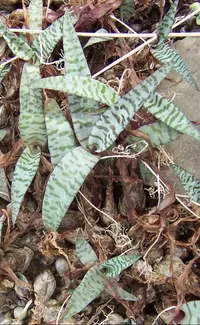
Silver squill, Ledebouria socialis, is a small bulb-forming houseplant from dry regions of South Africa. It is part of the asparagus family and grows from clusters of exposed bulbs. Leaves are narrow, spotted silver and green above, often purple beneath, giving the plant a distinctive mottled look. It spreads slowly into a compact clump that fits well on windowsills and small shelves. This species prefers bright, indirect light, a fast-draining soil mix, and moderate watering with good drying between waterings. Its drought tolerance and small size make it relatively easy to care for Silver squill, provided it is not overwatered.

Main Plant Requirements

Care Difficulty

Easy Care

Light Preference

Bright Indirect Light

Water Requirements

Low Water

Temperature Preference

Tropical / Frost Sensitive

Hardiness Zone

10–11

Soil Texture

Sandy, Loamy, Organic-rich

Soil pH

Acidic (5.5–6.5), Slightly acidic (6.5–7.0)

Soil Drainage

Well-drained

Fertilization

Minimal (feed rarely)

Get Personalized Care Plan

Scan your plant to receive care tips personalized for your specific plant

Personalized Care in the App

Available on iOS and Android

How to Care for the Silver squill

This bulbous succulent prefers bright, indirect light with some gentle direct sun for strongest leaf color.

  • Provide 3–5 hours of soft morning sun or late-afternoon sun, with filtered or dappled light for the rest of the day to prevent leaf scorch.
  • Tolerates light shade, but in very low light (under 4 hours bright indirect) Silver squill may stretch, lose its compact form, and show duller markings.
  • Outdoors, protect from harsh midday sun, especially in hot summers, using shade cloth or positioning behind taller plants for partial shade.

This species stores water in its bulbs and needs a careful, drought-tolerant watering approach.

  • Water thoroughly only when the top 3–5 cm of soil are completely dry, letting excess drain away so bulbs do not sit in water.
  • During active growth, typically spring to early fall, expect to water more often; in winter dormancy, reduce watering to light sips when leaves just start to soften.
  • Watch for signs: mushy bulbs, yellowing, or a sour smell suggest overwatering, while wrinkled bulbs and limp leaves indicate the need for water in Ledebouria socialis.

This plant prefers warm, stable conditions and does poorly in prolonged cold or frost.

  • Ideal growth occurs around 65–80°F (18–27°C), with good air circulation and protection from sudden temperature swings near windows or doors.
  • It tolerates short dips to about 40°F (4°C) but should be kept above 50°F (10°C) for reliable growth; frost can damage bulbs and foliage.
  • In hot spells above 90°F (32°C), move it to brighter shade, increase airflow, and avoid placing it against heat-reflective surfaces such as metal or south-facing walls.

This species tolerates typical indoor humidity and rarely needs special adjustments.

  • Aim for 30–50% humidity; brief dips lower are usually tolerated without damage.
  • Dry air may cause brown, papery leaf tips on Silver squill, especially near heating vents.
  • Increase humidity slightly by grouping plants or placing the pot on a pebble tray with water kept below the pot base.

This bulb-forming species prefers a fast-draining, airy mix that dries quickly after watering.

  • Use a sandy, gritty mix such as 50–60% cactus/succulent mix blended with perlite or pumice for extra drainage.
  • Ensure the structure stays loose so water runs through in seconds, preventing bulbs from sitting in wet conditions.
  • Maintain slightly acidic to neutral pH around 6.0–7.0, which suits most components used for Ledebouria socialis.
  • Avoid heavy garden soil, high-peat mixes without extra grit, or compacted substrates that stay wet for more than 2–3 days.

This species is well suited to container growing due to its compact, clumping habit.

  • Choose a shallow but wide pot so bulbs sit snugly near the surface and offsets have room to spread horizontally.
  • Select a heavier material such as ceramic or clay if the foliage makes the pot top-heavy and easy to tip.
  • Leave 1–2 cm of space below the rim to reduce soil spill when watering and to let fast-draining mix flush cleanly.

This bulbous succulent benefits from modest feeding during active growth to support foliage and bulb health.

  • Use a balanced liquid fertilizer (such as 10-10-10 or 20-20-20) diluted to 25–50% strength for Silver squill.
  • Feed every 4–6 weeks in spring and summer when growth is active.
  • Avoid organic compost-heavy mixes in pots, which can stay wet and suffocate bulbs.
  • Stop fertilizing in fall and winter, or feed only once at very low strength if leaves remain in light growth.

Pruning needs for Ledebouria socialis are minimal and focus on cleanliness rather than shaping.

  • Remove yellow, dry, or mushy leaves at the base whenever noticed to limit rot and fungal spread.
  • Trim spent flower stalks after blooming using clean, sharp scissors or pruning snips.
  • Thin out badly crowded, weak leaves during active growth to improve air flow and light penetration.
  • Avoid heavy cutting of healthy foliage, as this reduces photosynthesis and can slow bulb multiplication.

This species prefers to be slightly pot-bound and only needs repotting when bulbs clearly overcrowd the container.

  • Repot every 2–3 years, or when bulbs press against the pot rim and roots circle the drainage holes.
  • Choose late winter to early spring, just before new growth, for least stress on Ledebouria socialis.
  • Gently loosen the root mass, separate congested bulbs by hand, and remove any soft or rotting tissue.
  • Replant in a shallow, wide pot with fast-draining mix, keep roots just covered, and water lightly for 1–2 weeks.

Propagation of this bulb-forming plant is straightforward and usually done by division of offsets rather than from seed.

  • Divide clumps in late winter or early spring when repotting, choosing firm, healthy bulbs with visible roots.
  • Separate offsets gently by hand or with a clean knife, keeping at least 1–2 bulbs per new division.
  • Plant divisions in a gritty, well-drained mix, with bulb tops at or just above the surface.
  • Provide bright, indirect light, light watering, and 65–75°F temperatures to encourage new root and leaf growth.

This plant is not frost hardy and needs protection in regions with cold winters, especially when grown in containers.

  • Move pots indoors before temperatures drop below 40°F, giving bright, indirect light and reduced watering.
  • Keep soil almost dry in winter, watering lightly only when the mix is fully dry and bulbs start to wrinkle.
  • Maintain indoor temperatures above 50°F to prevent cold damage to bulbs and foliage.
  • In mild, frost-free climates, grow Ledebouria socialis in sheltered spots and avoid waterlogged winter soil.

Care Tips

Rotate Bulb Clumps

Turn the pot 90° every 2–3 weeks so the rosettes grow evenly and do not lean strongly toward the light, which also helps keep the patterned leaves symmetrical and compact.

Encourage Clumping

When repotting, position bulbs close together rather than spacing them out, as slight crowding encourages attractive, dense clumps and reduces excess soil that can stay wet around the bulbs.

Surface Bulb Position

Set bulbs so the upper third sits above the soil line, which improves airflow around the neck of the bulb, reduces rot risk, and makes it easier to spot early pest or disease issues when caring for Silver squill.

Seasonal Rest Management

If growth slows and outer leaves yellow at the end of the active season, reduce watering and keep the plant on the dry side for several weeks to provide a light rest period that supports stronger regrowth.

Targeted Pest Checks

Inspect the tight spaces between bulbs and at the leaf bases every few weeks with a hand lens, since mealybugs and scale often hide there, and swab any pests with isopropyl alcohol on a cotton bud before populations build up.

Common Pests and Diseases

Mealybugs

This pest hides in leaf bases and between the small bulbs, sucking sap and causing yellowing, distortion, and sticky honeydew on leaves. Symptoms include slowed growth and cottony white clusters at the crown and along the leaf undersides.

Solution

Isolate the plant, then dab visible insects with cotton swabs dipped in 70% isopropyl alcohol and gently wipe leaf bases and between bulbs. Repeat weekly, rinse the foliage with lukewarm water, and for heavier infestations use a labeled insecticidal soap or neem oil spray, ensuring good coverage into leaf axils while keeping bulbs and soil from staying wet for long.

Bulb scale mites

These insects attack the bulb scales and basal plate, often starting in very tight pots or old clumps, leading to soft, discolored, or collapsing bulbs. Symptoms include poor new growth, bulbs that feel spongy when pressed, and sometimes a dusty or rusty appearance under the dry outer scales.

Solution

Remove the plant from the pot, discard heavily damaged bulbs, and gently peel away dry outer scales while flushing the clump with a strong stream of lukewarm water. Repot only healthy, firm bulbs into fresh, well-draining mix, and keep the potting area clean; in persistent cases use a miticide labeled for bulb mites and avoid reusing old, infested soil or containers without disinfection.

Aphids

These insects cluster on tender new leaves and flower stalks, sucking sap and causing curling, distortion, and sticky honeydew that can lead to sooty mold. This pest is most common on plants summered outdoors or kept near open windows.

Solution

Rinse the plant under a gentle stream of water to remove as many aphids as possible, protecting the soil surface from excessive wetting. Follow with insecticidal soap or neem oil on all leaf surfaces and flower stalks, repeating every 5–7 days until no new aphids appear, and avoid overfertilizing with high-nitrogen fertilizer, which promotes soft, aphid-prone growth.

Basal bulb rot

This disease develops when bulbs sit in poorly drained, constantly wet substrate, causing the basal plates and lower bulb to turn brown, soft, and foul-smelling. Symptoms include sudden leaf collapse, easy separation of bulbs from roots, and wet, mushy tissue at the base.

Solution

At the first signs, unpot the plant, discard all soft or foul-smelling bulbs and roots, and trim back to firm, healthy tissue with a sterile tool. Allow remaining healthy bulbs to dry for 1–2 days, then replant into fresh, gritty, fast-draining mix in a pot with large drainage holes, water sparingly, and avoid letting water stand in saucers to prevent recurrence of basal rot, which is critical in Ledebouria socialis care instructions.

Leaf spot

This disease causes small, water-soaked or tan-brown lesions on the speckled leaves, sometimes with darker borders, which may merge and lead to premature leaf dieback under humid, stagnant conditions. Symptoms include spotting that starts on older leaves or where water sits after overhead watering.

Solution

Remove and discard heavily spotted leaves, ensure strong air movement around the plant, and avoid wetting the foliage when watering. Allow the soil surface to dry between waterings, and in recurring cases apply a copper-based or other houseplant-safe fungicide according to label directions while improving light and ventilation to keep leaves drying quickly after any moisture exposure.

Interesting Facts

Miniature bulb clusters

This species forms tight clusters of small, exposed bulbs that sit partly above the soil surface, an adaptation that helps it store water and survive long dry periods in its native Eastern Cape and KwaZulu-Natal regions of South Africa.

Speckled leaf camouflage

Its grey-green leaves are covered with irregular purple spots, which are believed to help break up the leaf outline and provide camouflage among rocky, dappled-light habitats.

Seasonal growth rhythm

In its native climate it often grows mainly in the cooler, wetter months and can slow or partially shed leaves in hot, dry periods, reflecting its adaptation to a strongly seasonal rainfall pattern.

Botan icon

Did you know?

Genetic and morphological studies have shown that this small houseplant belongs to the asparagus family (Asparagaceae), meaning it is more closely related to plants like asparagus and hyacinths than to most other common bulbous ornamentals people grow at home.

FAQs about Silver squill

Lack of flowers usually comes from insufficient light, no cool rest in winter, or excessive watering. Provide bright light, a drier, slightly cooler winter period, and avoid heavy fertilizing in winter to support reliable blooming.

Grow Healthy Plants with Botan Care

Keep your plants happy and healthy with plant identification, disease detection, and easy care guidance.

Botan plant care app — identify plants on mobile

Explore More Plants