Siam Tulip Care (Curcuma alismatifolia)

About Siam Tulip

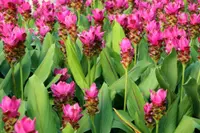
Siam tulip (Curcuma alismatifolia) is a tropical rhizomatous perennial from Southeast Asia, grown mainly for its colorful, long-lasting bracts that resemble tulip flowers. The true flowers are small and tucked between the bracts. Compact foliage forms a neat clump, making it suitable for containers and bright indoor spots during the growing season.

This plant naturally occurs in warm, seasonally moist habitats, which explains its preference for bright, filtered light, evenly moist soil, and high humidity. It is moderately easy if kept warm and not allowed to dry out completely, but can decline quickly in cold, drafty, or very dry conditions. Understanding how to care for Siam Tulip starts with mimicking its warm, humid native environment as closely as possible.

Main Plant Requirements

Care Difficulty

Moderate Care

Light Preference

Partial Shade

Water Requirements

Keep Soil Moist

Temperature Preference

Tropical / Frost Sensitive

Hardiness Zone

8–11

Soil Texture

Loamy, Sandy, Organic-rich

Soil pH

Acidic (5.5–6.5), Slightly acidic (6.5–7.0)

Soil Drainage

Moist but well-drained

Fertilization

Light (every 4–6 weeks)

Get Personalized Care Plan

Scan your plant to receive care tips personalized for your specific plant

Personalized Care in the App

Available on iOS and Android

How to Care for the Siam Tulip

This tropical rhizome prefers bright, gentle light to form strong foliage and lasting blooms.

  • Provide 4–6 hours of bright, indirect light or light morning sun; protect from harsh midday and afternoon sun that can scorch bracts and leaves.
  • Allow light dappled shade, especially in hot climates; Siam Tulip performs well under high, filtered light beneath open trees or shade cloth.
  • In early spring, place where increasing day length reaches the plant; after flowering and as growth slows, slightly lower light is acceptable without harming the rhizome.

This species prefers evenly moist, not soggy, soil during its active growing season.

  • Water when the top 2–4 cm of soil feels dry, soaking the root zone thoroughly, then let excess drain to avoid waterlogged conditions and root rot.
  • Increase monitoring in hot, windy weather; drooping leaves that recover after watering suggest temporary underwatering, while yellowing lower leaves with soft stems suggest overwatering.
  • During late autumn and winter dormancy, reduce watering sharply, keeping the soil just barely moist or almost dry so the rhizomes of Curcuma alismatifolia do not rot.

This plant grows best in consistently warm, frost-free conditions similar to a humid subtropical summer.

  • Aim for 70–85°F (21–29°C) during active growth for strongest foliage and flowering; short peaks up to 90°F (32°C) are tolerated if soil moisture and humidity stay adequate.
  • Protect from temperatures below 55°F (13°C); exposure near 40°F (4°C) can damage leaves, and frost can kill or severely injure rhizomes.
  • In cooler climates, allow foliage to die back as temperatures drop, then keep dormant rhizomes dry and above 55°F (13°C) until stable warmth returns in late spring.

This species prefers fairly moist air and reacts quickly to very dry conditions.

  • Aim for 50–70% humidity around Siam Tulip, especially during active growth and flowering.
  • Dry indoor air causes crisp leaf tips, brown edges, and slower unfolding of new leaves, indicating humidity stress.
  • Increase humidity with a nearby humidifier, grouped plants, or a pebble tray, but avoid misting if leaves stay wet for long.

Curcuma alismatifolia needs loose, well-aerated, moisture-retentive but free-draining soil to prevent rhizome rot.

  • Use a mix of roughly 50% peat or coco coir, 30% compost, and 20% perlite or coarse sand for structure and drainage.
  • Aim for slightly acidic to neutral pH (6.0–7.0), which supports nutrient uptake and healthy root growth.
  • Incorporate fine bark or rice hulls to improve aeration around the rhizomes and reduce compaction over time.
  • Avoid heavy clay, poorly drained beds, or mixes that stay waterlogged, which quickly trigger root and rhizome decay.

This species is well suited to container growing when moisture and drainage are carefully balanced.

  • Choose a pot at least 25–30 cm deep so rhizomes can sit several cm below the surface with room to spread sideways.
  • Select a slightly heavy container material, such as ceramic, to stabilize tall flower spikes against wind or accidental knocks.
  • Elevate the pot on feet or bricks so drainage holes clear easily and excess water does not pool under the base.

Curcuma alismatifolia benefits from light, consistent feeding during the active growing season while in leaf and bloom.

  • Apply a balanced liquid fertilizer (for example 10-10-10 or 20-20-20) at 1/2 strength every 2–3 weeks in spring and summer.
  • Use a slow-release granular fertilizer or a thin layer of compost at the start of active growth for steady nutrition.
  • Flush the pot with plain water every 4–6 weeks to prevent salt buildup in container-grown Siam Tulip.
  • Stop feeding as foliage yellows and the plant enters dormancy in fall and through winter rest.

Pruning Curcuma alismatifolia is light and mainly focused on cleanliness and guiding new growth.

  • In late season, remove spent flower stalks at the base with clean, sharp scissors or pruners to direct energy to rhizomes.
  • Trim yellowing or dead leaves at soil level to reduce disease risk and keep the clump tidy.
  • Thin out weak, damaged, or crowded shoots in dense pots to improve air flow and light penetration.
  • Avoid cutting healthy green leaves heavily, as this can reduce photosynthesis and next season’s flowering.

Container-grown plants benefit from occasional repotting to maintain root health and strong flowering.

  • Check for roots circling the pot drainage holes, crowded rhizomes, or slowed growth as signs Curcuma alismatifolia needs a larger container.
  • Plan to repot every 2–3 years in late winter or early spring, just before new shoots emerge from dormancy.
  • Gently tease apart the root ball, trim dead roots, and place rhizomes in fresh, well-draining mix one size up only.
  • Water lightly after repotting, keep in bright, indirect light, and avoid heavy fertilization for 2–3 weeks to limit transplant shock.

Curcuma alismatifolia is most reliably propagated by division of its rhizomes rather than from seed.

  • Divide clumps in late winter or early spring when the plant is dormant and before strong new growth appears.
  • Use a clean, sharp knife to cut rhizomes into sections, each with at least 1–2 healthy buds or eyes.
  • Dust cut surfaces with a fungicidal powder or cinnamon, then let them dry for a few hours before planting.
  • Plant divisions in a loose, well-draining medium, keep slightly moist, and maintain warmth around 70–80°F to encourage sprouting.

This tropical species is frost-tender and needs specific winter care in cooler climates to preserve its rhizomes.

  • In USDA zones below 9, lift garden-grown rhizomes after foliage dies back and store them dry at 50–60°F.
  • For in-ground plants in mild climates, apply a 5–10 cm mulch layer over the root zone to buffer temperature swings.
  • Move container plants indoors before temperatures drop near 50°F, placing them in a cool, dry, frost-free spot during dormancy.
  • Water sparingly in winter, just enough to keep rhizomes from completely shriveling, then resume normal watering in spring as new shoots appear.

Care Tips

Post-bloom handling

After the colorful bracts fade, cut only the spent flower stalks at the base and keep the foliage until it yellows naturally so the rhizomes can recharge for the next growth cycle.

Dormancy signal check

If leaves begin to yellow and collapse in late summer or autumn, gradually reduce watering and let the pot dry almost completely to allow a proper dormant rest rather than trying to keep the plant actively growing.

Pot rotation strategy

Rotate the pot 90° every 7–10 days during active growth to keep stems upright and prevent leaning, which reduces the risk of weak, stretched shoots that flop over.

Outdoor summering

In suitable climates, move potted plants outdoors to a bright, sheltered patio for the warm months, then bring them back indoors before night temperatures drop below about 55°F to support reliable reblooming when caring for Siam Tulip.

Rhizome dividing schedule

Every 2–3 years, lift and divide congested rhizomes at the start of spring growth, replanting only firm, healthy pieces with at least one bud to maintain strong flowering and reduce disease pressure in the pot.

Common Pests and Diseases

Rhizome rot

This disease affects the underground rhizomes, causing them to become soft, brown, and foul-smelling, often leading to yellowing and collapse of the foliage. Symptoms include poor sprouting in spring and sections of the rhizome that break apart easily when pressed.

Solution

Discard all mushy or discolored rhizome tissue and replant only firm, clean sections in fresh, well-drained medium. Reduce watering, improve drainage, and avoid waterlogged conditions; use a clean, sharp knife disinfected with alcohol between cuts to limit spread.

Bacterial leaf spot

This disease causes water-soaked, translucent spots on leaves that may turn brown with yellow halos, often starting on older foliage in warm, humid conditions. Symptoms include irregular lesions that can merge and cause large dead patches on the leaf surface.

Solution

Remove and discard affected leaves promptly and avoid wetting the foliage when watering. Improve air circulation, reduce overhead misting, and if problems persist, use a copper-based bactericide according to label directions, ensuring good coverage of both leaf surfaces.

Spider mites

These pests feed on the undersides of leaves, causing fine stippling, dulling of the foliage, and in heavy infestations, fine webbing between leaves and stems. This pest thrives in warm, dry indoor conditions and can cause premature leaf drop.

Solution

Rinse leaves thoroughly with lukewarm water, focusing on the undersides, and repeat every few days to disrupt the life cycle. Increase humidity, isolate the plant, and if needed apply insecticidal soap or a horticultural oil, ensuring that the spray reaches the underside of all leaves.

Aphids

These insects cluster on tender stems and flower spikes, sucking sap and causing curling, distortion, and sticky honeydew on leaves and bracts. This pest can also promote sooty mold growth on the honeydew, reducing the plant’s ornamental value.

Solution

Wash affected shoots with a gentle but thorough stream of water to dislodge colonies, repeating as needed. For persistent infestations, apply insecticidal soap or a light horticultural oil, making sure to cover all soft new growth and flower stalks.

Fusarium wilt

This disease infects the vascular system of the rhizome and stems, leading to gradual yellowing, wilting, and stunted growth even when the soil is adequately moist. Symptoms include browning of internal rhizome tissues in streaks or sectors when cut open.

Solution

Remove and discard severely affected plants and any visibly discolored rhizome sections, and avoid reusing contaminated soil. Improve drainage, avoid overwatering, and use only healthy, disease-free rhizomes from reputable sources when starting or expanding a collection of Curcuma alismatifolia plant care specimens.

Interesting Facts

False flower display

The showy pink or purple “petals” are actually bracts, which are modified leaves that protect and display the much smaller true flowers hidden within the inflorescence.

Seasonal dormancy cycle

This species has a pronounced dry-season dormancy; its leaves and bracts die back completely after flowering, and the rhizome rests underground until warm, wet conditions return.

Thai cultural ornament

Native to Thailand’s seasonally wet grasslands, this plant is widely cultivated there as a cut flower and potted ornamental, especially valued during the rainy season festivals.

Botan icon

Did you know?

In parts of Thailand, large natural populations of this species create extensive pink “tulip fields” in the early rainy season, drawing ecotourism and seasonal festivals focused specifically on its mass flowering display.

FAQs about Siam Tulip

Lack of flowering often relates to insufficient rest, low light, or depleted nutrients. This tropical species needs a cool, dry dormancy, bright but indirect light, and balanced feeding during active growth to produce strong bracts and flowers.

Grow Healthy Plants with Botan Care

Keep your plants happy and healthy with plant identification, disease detection, and easy care guidance.

Botan plant care app — identify plants on mobile

Explore More Plants