Tuber size monitoring
Measure and record the tuber diameter and weight at each dormancy, and only move to a larger container once the tuber has clearly increased in size and can nearly fill the next pot without touching the sides tightly.



The corpse flower, Amorphophallus titanum, is a giant tropical aroid known for its huge flowering structure and strong, rotting-meat odor. It is grown mainly as a botanical curiosity rather than a typical houseplant.
In its native habitat of Sumatra’s rainforests, it grows from a large underground tuber and produces either a single, towering leaf or an occasional massive bloom. The plant grows slowly and can take many years to flower.
It requires warm, stable temperatures, high humidity, bright filtered light, and airy, well-drained soil, so it is challenging outside specialized collections. Those who care for Corpse Flower plants usually rely on controlled greenhouse conditions and close monitoring of moisture levels.

Care Difficulty
Hard Care

Light Preference
Partial Shade

Water Requirements
Keep Soil Moist

Temperature Preference
Tropical / Frost Sensitive

Hardiness Zone
Unknown

Soil Texture
Loamy, Peaty, Organic-rich

Soil pH
Acidic (5.5–6.5), Slightly acidic (6.5–7.0)

Soil Drainage
Moist but well-drained

Fertilization
Moderate (every 2–4 weeks)
Scan your plant to receive care tips personalized for your specific plant
Available on iOS and Android
This large tropical species needs bright, indirect light that mimics a high-canopy rainforest.
This species prefers consistently moist but never waterlogged soil during active growth.
This tropical aroid thrives in warm, stable temperatures with no exposure to frost.
This species requires high, stable humidity to maintain healthy foliage and corm growth.
This aroid needs deep, fast-draining, organic-rich soil to protect its large corm from rot.
Tip: Avoid heavy clay, fine sand-only mixes, or peat packed tightly, as these reduce aeration and encourage corm rot.
This species can be grown in large containers, but only with careful attention to space and stability.
Amorphophallus titanum benefits from targeted feeding during its active growth but should not be overfed.
Important: During full dormancy in winter, keep the tuber dry and do not apply any fertilizer to the Corpse Flower.
Pruning needs for Amorphophallus titanum are minimal and focus on hygiene rather than shaping.
Transplanting or upsizing containers for Amorphophallus titanum aims to give the enlarging tuber enough depth and space.
Propagation of Amorphophallus titanum is specialized and usually done by experienced growers or institutions.
Winter care for Amorphophallus titanum focuses on protecting the dormant tuber from cold and excess moisture.

Plant Health Check
Not sure what's wrong with your plant? Check your plant's health inside the app.
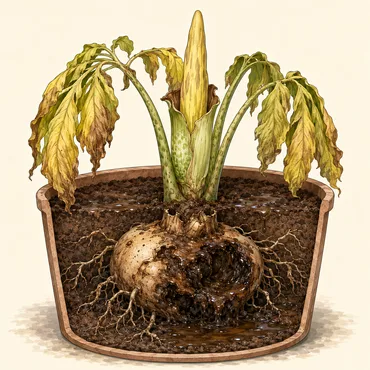
This disease causes the corm and lower petiole bases to become water-soaked, soft, and foul-smelling, often starting at wounds or overly wet areas.
Symptoms include yellowing and collapse of the leaf or inflorescence as internal tissues break down.
Solution
Remove and discard all affected tissue with sterile tools, cutting back to firm, healthy tissue, then allow cut surfaces to dry before replanting in a very well-drained, sterile medium.
Reduce watering, improve drainage and airflow, disinfect pots and benches, and avoid mechanical injury to the corm to limit new infections; in collections, some growers use a targeted bactericide or fungicide drench labeled for soft rots when risk is high.
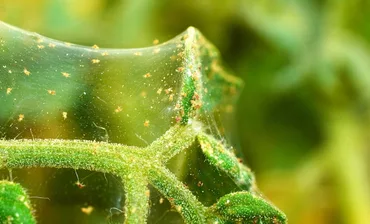
These insects feed on the large leaf blade, causing tiny pale speckles, dulling of the surface, and fine webbing on the underside in dry, warm conditions.
Symptoms include gradual loss of vigor and premature leaf decline if populations are not controlled.
Solution
Rinse the foliage thoroughly with a strong but gentle stream of water, especially the undersides, and repeat several times over 7–10 days to break the life cycle.
Increase humidity around the plant, isolate heavily infested specimens, and then use insecticidal soap or a horticultural oil labeled for mites, applied carefully to both leaf surfaces while avoiding direct sun until dry.
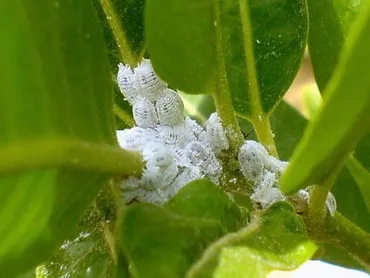
These insects appear as white, cottony clusters in leaf axils, along petioles, and sometimes on the corm, sucking sap and excreting sticky honeydew.
Symptoms include distorted growth, yellowing, and sooty mold growing on the honeydew if infestations persist.
Solution
Physically remove visible mealybugs with cotton swabs dipped in isopropyl alcohol and wash the plant with lukewarm water to dislodge remaining insects.
For persistent infestations, apply insecticidal soap or a systemic insecticide labeled for mealybugs, monitor nearby plants, and inspect the corm and pot rim during dormancy, removing any hidden insects before replanting.
This species produces one of the largest unbranched flower structures on Earth, with the central spadix and surrounding spathe forming a single massive inflorescence rather than a true single flower.
During peak flowering, the spadix briefly warms itself to roughly human body temperature, which helps volatilize scent compounds and makes the odor disperse more effectively to attract carrion beetles and flies.
The plant stores energy for several years in a huge underground corm and only blooms when enough reserves have accumulated, which is why cultivated specimens may flower unpredictably and often many years apart.

In its native Sumatran rainforest habitat, this species is naturally rare and typically occurs as scattered individuals in disturbed or open understory sites, relying on specific carrion-attracted insects for pollination and on fruit-eating birds and mammals to disperse its bright red fruits.
This species needs many years of corm enlargement before it has enough stored energy to flower. Cool temperatures, insufficient light, irregular watering, or nutrient-poor conditions slow corm growth, delaying blooming or preventing it entirely in cultivation.
Keep your plants happy and healthy with plant identification, disease detection, and easy care guidance.