Pregnant onion Care (Albuca bracteata)

Also known as: Devils Onion, Wild onion

About Pregnant onion

Pregnant onion, Albuca bracteata, is a bulb-forming succulent from South Africa, grown mainly for its unusual layered bulbs and arching, strap-like leaves. The outer bulb scales produce many small offsets that resemble tiny onions, giving the plant its common name.

It typically grows in a pot and stays compact, making it suitable for bright indoor spots or sheltered patios in mild climates. Its growth rhythm is often seasonal, with active periods followed by partial rest.

This species is generally considered easy to grow as long as the bulb is kept in a well-drained mix and not overwatered. Understanding how to care for Pregnant onion mostly involves balancing bright light with careful watering and avoiding prolonged cold or soggy soil.

Main Plant Requirements

Care Difficulty

Easy Care

Light Preference

Partial Sun

Water Requirements

Low Water

Temperature Preference

Tropical / Frost Sensitive

Hardiness Zone

10–11

Soil Texture

Sandy, Loamy, Rocky

Soil pH

Slightly acidic (6.5–7.0), Neutral (7.0)

Soil Drainage

Well-drained

Fertilization

Minimal (feed rarely)

Get Personalized Care Plan

Scan your plant to receive care tips personalized for your specific plant

Personalized Care in the App

Available on iOS and Android

How to Care for the Pregnant onion

This bulb prefers bright, indirect light with some direct sun for compact, healthy growth.

  • Provide 4–6 hours of gentle morning sun or late-afternoon sun; protect from harsh midday rays that can scorch leaves and bulb scales.
  • Pregnant onion also grows in bright dappled shade, but very low light leads to stretched, floppy foliage and fewer offsets.
  • In summer, give filtered light outdoors; in winter, move closer to the brightest window or a south-facing exposure to compensate for shorter days.

This species stores moisture in its bulb, so watering must be conservative to prevent rot.

  • Allow the top 3–5 cm of soil to dry before watering; then water thoroughly so it drains freely from the pot or bed.
  • During active growth, use soil dryness and slightly wrinkling outer bulb scales as cues to water, not a fixed schedule for Albuca bracteata.
  • Reduce watering sharply in summer or winter dormancy, and watch for yellowing, mushy tissue as a sign of overwatering stress.

This bulb prefers mild, frost-free conditions and copes best with cool to warm temperatures.

  • Aim for 60–75°F (16–24°C) during active growth; this range supports steady leaf and offset production without stress.
  • Protect from cold below 40°F (4°C); prolonged exposure near 32°F (0°C) can damage foliage and the bulb, especially in wet soil.
  • In hot weather above 85°F (29°C), offer light shade and good airflow; if heat triggers dormancy, keep the bulb dry and cool until growth resumes.

This bulb tolerates typical indoor humidity and does not require special humidity management.

  • Aim for 30–50% humidity, similar to most heated or air-conditioned homes.
  • Dry air is usually tolerated, but prolonged hot drafts can speed leaf tip browning.
  • If leaves curl and brown rapidly, move the Pregnant onion away from heaters and consider a shallow pebble tray nearby instead of misting.

Albuca bracteata prefers a lean, fast-draining, mineral-based mix that keeps the bulb dry between waterings.

  • Use a cactus or succulent mix amended with extra coarse sand or fine gravel to create a gritty, open texture.
  • Ensure rapid drainage so water runs through within seconds, preventing prolonged saturation around the bulb plate.
  • Keep pH slightly acidic to neutral, roughly 6.0–7.0, which most commercial succulent mixes naturally provide.
  • Avoid heavy peat-based or clayey soils that compact, stay wet for hours, and reduce oxygen around roots and offsets.

This species is highly suitable for container growing due to its compact bulb and shallow root system.

  • Choose a wide, shallow pot so offsets can spread across the surface without crowding the bulb neck.
  • Select a heavier material such as ceramic or clay to reduce tipping as the bulb and offsets become top-heavy.
  • Elevate the pot slightly on feet or pot risers so drainage holes clear water quickly after each watering.

Albuca bracteata is a light feeder, so focus on modest nutrition during active growth rather than heavy fertilization.

  • Use a balanced liquid fertilizer (around 10-10-10 or 20-20-20) at 1/4–1/2 strength during spring and summer growth.
  • Apply every 4–6 weeks when foliage is actively expanding, then stop feeding as leaves yellow and dormancy begins.
  • Avoid fertilizing during dormancy or winter; excess nutrients can stress the bulb and roots.
  • For caring for Pregnant onion in pots, a small amount of slow-release fertilizer mixed into the topsoil can support steady growth.

Albuca bracteata needs only light pruning to keep bulbs healthy and foliage tidy.

  • Best time is late spring to summer, once flowering finishes and leaves begin to age.
  • Cut completely yellow or brown leaves at the base with clean, sharp scissors or pruners to limit rot.
  • Remove any soft, damaged, or diseased tissue promptly to protect nearby bulbs and offsets.
  • Avoid heavy cutting of green leaves, which can reduce energy storage in the main bulb and smaller bulbils.

This bulb prefers slightly snug pots and only occasional repotting to avoid disturbance.

  • Check for roots circling the pot, crowded bulbs pressing against the container, or reduced growth as signs it needs a larger pot.
  • Plan repotting in late winter to early spring, just before new growth starts, every 2–3 years.
  • Choose a pot only 2–3 cm wider, use a very free-draining mix, and keep bulbs slightly exposed above the soil line.
  • Water lightly after repotting, keep in bright but indirect light, and avoid heavy watering for 1–2 weeks to limit root stress.

This species is commonly propagated from bulbils produced around the mother bulb rather than from seed.

  • Detach small bulbils from the main Pregnant onion bulb in late winter to spring, when repotting or inspecting roots.
  • Plant bulbils in a shallow tray or small pots filled with gritty, well-draining mix, with tops just at or slightly above the surface.
  • Keep soil barely moist and place in bright, indirect light at 65–75°F to encourage rooting and leaf growth.
  • Seeds can also be sown fresh on the surface of a similar mix, kept slightly moist and warm for several weeks until germination.

Albuca bracteata is not frost hardy and needs mild, dry conditions over winter, especially in cold climates.

  • In regions below about 30°F, grow bulbs in containers so they can be moved indoors for winter.
  • Provide a cool, bright indoor spot around 50–60°F and reduce watering once foliage dies back.
  • Keep soil almost dry during dormancy, resuming careful watering only when new growth reappears.

Care Tips

Manage Dormancy Cycle

Allow foliage to yellow and die back naturally at the end of its growth season, then gradually reduce watering and move the pot to a slightly cooler, bright spot to support a proper rest period.

Bulb Positioning

Plant the bulb with the upper third above the soil line so the offsets form and are visible at the surface, which also reduces the risk of rot at the neck of the bulb.

Offset Propagation

Gently twist or cut off well-sized offsets with a clean, sharp tool at repotting time, then air-dry the wounds for 1–2 days before potting them to reduce infection risk and improve establishment.

Controlled Pot Crowding

Use a slightly snug pot to encourage more offset production, but thin out very congested bulbs every 2–3 years so each bulb has at least 1–2 cm of space to maintain vigor when growing Pregnant onion.

Targeted Pest Checks

Inspect the exposed bulb and leaf bases every 1–2 weeks for mealybugs or scale insects, especially in warm indoor conditions, and wipe them off promptly with a cotton swab dipped in 70% isopropyl alcohol before populations build up.

Common Pests and Diseases

Mealybugs

This pest feeds on the soft tissues around the bulb, leaf bases, and roots, causing yellowing, distortion, and sticky honeydew. Symptoms include slowed growth and a cottony white residue in leaf axils or between the bulb scales.

Solution

Isolate the plant, then wipe visible mealybugs from leaves and bulb with cotton swabs dipped in 70% isopropyl alcohol, and rinse gently afterward. For heavier infestations, follow up with repeated applications of a neem oil or insecticidal soap spray, and consider repotting into fresh, clean substrate while inspecting and washing the bulb and roots.

Bulb mites

These insects are microscopic pests that hide between bulb scales and in the potting mix, leading to soft, collapsing tissue and poor or deformed leaf growth. Symptoms include bulbs that fail to sprout properly and gradual decline even under good care.

Solution

Discard severely damaged bulbs and remove all loose, rotted, or softened scales, then repot into a fresh, well-draining mix using a clean container. Reduce excess moisture, avoid overwatering dormant bulbs, and, if needed, drench the substrate with a labeled miticide or use hot-water treatment on dormant bulbs according to Albuca bracteata care instructions from reliable bulb-growing sources.

Soft rot

This disease is caused by bacteria entering through wounds or overly wet, compact substrate, resulting in a foul odor, mushy bulb tissue, and sudden collapse of leaves. Symptoms include water-soaked, translucent spots that spread quickly through the bulb.

Solution

Remove the plant from its pot, cut away all mushy, discolored tissue with a sterile knife, and discard severely affected bulbs. Allow any salvaged firm sections to dry for 24–48 hours, then replant in a clean, fast-draining mix, keeping watering light and avoiding splashing water on the bulb itself.

Leaf scorch

This disorder appears when plants are placed in intense direct sun or receive abrupt light changes, causing bleached patches, brown tips, and dry, papery areas on the leaves. Symptoms include healthy bulbs with leaves that look burned while the base tissue remains firm.

Solution

Move the plant to bright, indirect light or provide light shade during the harshest midday sun, especially indoors near hot windows. Trim only the most damaged leaf tips with clean scissors and adjust watering so the plant does not sit dry for long periods during active growth.

Interesting Facts

Bulb that makes bulbs

This species forms clusters of small bulbils on the outside of its main bulb, an unusual adaptation that allows it to reproduce vegetatively without seed.

Winter-growing habit

In its native South African climate it grows actively in the cooler, wetter months and often becomes partially dormant in hot, dry summer conditions.

Fragrant green-striped flowers

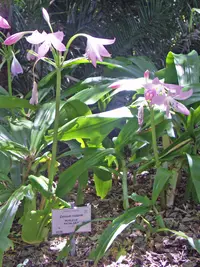
Mature plants produce tall flowering stalks with dangling white flowers marked by green stripes, which are lightly scented and adapted to insect pollination.

Botan icon

Did you know?

This species was historically placed in the genus Ornithogalum, and its shifting classification reflects ongoing research into the complex evolutionary relationships within the asparagus family (Asparagaceae).

FAQs about Pregnant onion

Lack of flowers usually comes from insufficient light, overly rich or constantly moist soil, or no cool rest period. Provide bright conditions, allow the bulb to dry slightly between waterings, and give a cooler, drier winter to encourage buds.

Grow Healthy Plants with Botan Care

Keep your plants happy and healthy with plant identification, disease detection, and easy care guidance.


Botan plant care app — identify plants on mobile

Explore More Plants