Curly Tamarak Care (Albuca spiralis)

About Curly Tamarak

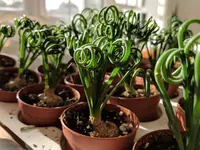
Albuca spiralis, commonly called curly tamarak or corkscrew albuca, is a small bulbous plant known for its tight, spiral leaves. Each leaf coils upward from the bulb, giving the plant a distinctive, sculptural look on a compact clump. It is native to South Africa, where it grows in regions with dry summers and cool, moist winters. This seasonal rhythm shapes how to care for Curly Tamarak, since it prefers a marked rest period after active growth. The plant generally thrives in bright light, well-drained sandy soil, and careful watering that avoids constant moisture around the bulb.

Main Plant Requirements

Care Difficulty

Moderate Care

Light Preference

Full Sun

Water Requirements

Low Water

Temperature Preference

Tropical / Frost Sensitive

Hardiness Zone

9–11

Soil Texture

Sandy, Loamy, Organic-rich

Soil pH

Acidic (5.5–6.5), Slightly acidic (6.5–7.0)

Soil Drainage

Well-drained

Fertilization

Minimal (feed rarely)

Get Personalized Care Plan

Scan your plant to receive care tips personalized for your specific plant

Personalized Care in the App

Available on iOS and Android

How to Care for the Curly Tamarak

Albuca spiralis thrives in bright light that mimics open, sunny habitats with some protection from harsh afternoon sun.

  • Provide 4–6 hours of direct morning sun with bright, filtered light or light shade in the afternoon, especially in hotter climates.
  • Tolerates light partial shade, but foliage may elongate and curl less if total daily light drops below about 4 hours of sun or strong bright shade.
  • In summer, protect Curly Tamarak from intense midday sun to prevent leaf scorch; in winter, move it to the brightest spot available to support active growth.

Albuca spiralis prefers a careful, seasonal watering approach that respects its bulb and semi-dormant summer period.

  • During active growth, water only when the top 2–4 cm of soil are dry, allowing excess to drain completely so the bulb does not sit in standing water.
  • Reduce watering sharply as leaves yellow and the plant enters dormancy, giving just enough water to prevent the bulb from shriveling noticeably.
  • Signs of overwatering include soft, foul-smelling bulbs and limp leaves, while underwatering shows as wrinkled bulbs and increasingly floppy, dry foliage.

This species grows best in mild, almost Mediterranean-like temperatures with protection from frost and extreme heat.

  • Aim for 60–75°F (16–24°C) during active growth; short spikes up to 85°F (29°C) are tolerated if soil is well drained and not kept wet and cold.
  • Protect from frost; growth slows below 45°F (7°C), and tissue damage can occur near 32°F (0°C), especially if the soil is moist.
  • In hot, dry summers above 85–90°F (29–32°C), the plant often goes dormant; allow this rest period and avoid forcing growth with extra heat or water.

Albuca spiralis handles typical indoor humidity well and rarely needs adjustments in most homes.

  • Ideal humidity is around 30–50%, similar to average indoor air in heated or air-conditioned rooms.
  • This species tolerates dry air, so browning tips usually signal underwatering or excess heat rather than low humidity.
  • If air is extremely dry and tips crisp, group pots together or place the container on a pebble tray instead of misting Curly Tamarak.

Albuca spiralis needs a very fast-draining, airy substrate that mimics sandy, rocky ground.

  • Use a cactus or succulent base mix blended with extra coarse sand or fine gravel for sharp drainage.
  • Aim for a loose, gritty texture with visible mineral particles, not a dense peat-heavy medium that stays wet.
  • Target slightly acidic to neutral pH, roughly 6.0–7.0, which most commercial succulent mixes already provide.
  • Improve aeration by adding 20–40% perlite or pumice and avoid mixes with water-retentive clay or high coco coir content.

This bulbous species is well suited to container growing both indoors and outdoors in mild climates.

  • Choose a pot just 2–4 cm wider than the bulb cluster so the mix dries evenly and roots are not lost in excess substrate.
  • Select a heavy terracotta or ceramic pot if outdoors to limit tipping from the top growth and wind.
  • Raise the container slightly on feet or pot risers so drainage holes stay clear and water exits quickly after rain or watering.

Albuca spiralis benefits from light, controlled feeding during active growth while remaining unfertilized in dormancy.

  • Use a balanced liquid fertilizer (around 10-10-10) at 1/4–1/2 strength for caring for Curly Tamarak in spring and summer.
  • Feed every 4–6 weeks only while leaves are green and actively growing.
  • Avoid compost-heavy mixes that stay wet, which increase rot risk around the bulbs.
  • Stop all feeding once foliage yellows and the plant enters dormancy.

Albuca spiralis needs minimal pruning, mainly to keep foliage tidy and bulbs healthy.

  • Best time to prune is after the leaves naturally yellow and dry at the end of the growth cycle.
  • Trim only dead, dried, or damaged leaves at the base using clean, sharp scissors.
  • Avoid cutting healthy green curls, as this reduces photosynthesis and weakens the bulb.
  • Remove spent flower stalks once fully dry to direct energy back to the bulb.

This bulbous plant prefers snug pots and infrequent repotting to maintain compact, curly growth.

  • Repot every 2–3 years, or when roots circle the pot and growth slows despite good light and care.
  • Best time is late summer to early fall, just before new growth begins.
  • Choose a pot only 2–3 cm wider, with excellent drainage and a very gritty mix.
  • Handle bulbs gently, keeping roots intact and watering lightly for the first 1–2 weeks to reduce stress.

Albuca spiralis is most often propagated by seed or careful bulb division at the end of dormancy.

  • For division, lift the clump when dormant, gently separate offsets with firm roots, and replant in a gritty mix.
  • Sow fresh seeds in late summer to fall in shallow trays with sandy, well-drained soil.
  • Maintain bright light, 60–70°F, and lightly moist (not wet) conditions for germination.
  • Label seed trays, as seedlings grow slowly and can resemble fine grass at first.

This species grows through cool seasons and usually enters dormancy as summer heat arrives, so winter care focuses on avoiding severe frost.

  • In mild climates above about 25°F, outdoor bulbs in well-drained soil usually overwinter without extra protection.
  • In colder regions, grow in containers and move under cover before hard freezes.
  • Keep soil on the dry side in winter growth, avoiding waterlogged conditions that damage bulbs.
  • For in-ground plantings in borderline zones, add a light gravel mulch to improve drainage around the bulbs.

Care Tips

Dormancy signal check

When foliage starts to yellow and loosen at the base, gradually stop watering and allow the bulb to rest completely dry for 8–12 weeks rather than trying to keep the leaves green at all costs.

Seasonal pot rotation

Rotate the pot by 90° every 1–2 weeks during active growth so the leaves curl evenly and the bulbs develop a balanced root system instead of leaning toward a single light source.

Top-dressing refresh

Each new growth season, gently remove the top 1–2 cm of old mix without disturbing the bulbs and replace it with fresh, gritty medium to improve aeration and reduce salt buildup around the bulb necks.

Bulb spacing strategy

When repotting, cluster bulbs with 1–2 cm between them in a shallow, wide pot to encourage a dense, attractive tuft of spirals while still allowing air movement that reduces rot risk.

Rest-period storage

During the dry dormant phase, keep the pot in a bright, airy place at roughly 60–75°F and avoid sealing it in plastic or dark cupboards, which can trap moisture and encourage fungal problems when caring for Curly Tamarak.

Common Pests and Diseases

Bulb mealybugs

This pest hides in leaf bases and around bulbs, sucking sap and weakening the plant, especially during active growth. Symptoms include stunted leaves, poor curling, and white cottony clusters near the bulb and in the potting mix.

Solution

Unpot the plant and inspect the bulb, roots, and leaf bases; physically remove visible mealybugs with cotton swabs dipped in 70% isopropyl alcohol, then rinse the bulb and roots with a strong but gentle stream of water. Repot in fresh, well-draining mix in a clean pot, discarding contaminated soil, and if needed apply a systemic insecticide labeled for ornamental bulbs to control hidden populations.

Aphids

These insects feed on soft new leaves and flower stalks, causing distortion, sticky honeydew, and sometimes sooty mold on Albuca spiralis foliage. Infestations are most common in late winter to spring when growth is tender and rapid.

Solution

Place the plant under a sink or outdoors in mild weather and wash aphids off with a firm stream of lukewarm water, repeating every few days. For persistent colonies, use an insecticidal soap or a light horticultural oil, ensuring full coverage of the curled leaves and undersides while avoiding application in direct, hot sun.

Basal bulb rot

This disease affects the base of the bulb, especially in overly wet or compacted soil, leading to soft, discolored tissue and sudden collapse of leaves. Symptoms include a foul smell, mushy bulb scales, and easy separation of the bulb layers.

Solution

Remove the bulb from the pot and cut away all soft, brown, or grey tissue with a sterile knife, leaving only firm, pale tissue; dust the wounds with a sulfur-based fungicide if available. Repot in a fresh, very gritty, fast-draining mix, water lightly until new growth appears, and adjust Albuca spiralis care to avoid frequent watering when the plant is dormant.

Leaf spot

This disease causes small, water-soaked or brown lesions on the narrow leaves that may enlarge and merge under humid or poorly ventilated conditions. Symptoms include scattered necrotic spots and premature yellowing of affected foliage.

Solution

Remove and discard spotted leaves to reduce inoculum, and increase air circulation around the plant by spacing pots and avoiding overhead watering. Allow the foliage to dry quickly, water at the soil level, and if spotting progresses, apply a copper-based fungicide labeled for ornamental bulbs, following label directions carefully.

Interesting Facts

Genetic spiral leaves

The characteristic corkscrew leaves result from uneven growth rates on different sides of the leaf blade, producing a natural spiral known as a helical phyllotactic pattern rather than mechanical twisting.

Winter-growing bulb

This species is a true winter grower from South Africa’s Western Cape, entering active growth in cool, moist winters and going fully dormant in the dry summer, which is the reverse of many common houseplants.

Scented nodding flowers

In late winter to spring, it produces drooping green-and-yellow flowers that often have a sweet, vanilla-like fragrance, held on separate flower stalks well above the coiled foliage.

Botan icon

Did you know?

Albuca spiralis is naturally restricted to Mediterranean-climate regions of South Africa’s Western Cape, where it has adapted to shallow, rocky, fast-draining soils that experience cool, wet winters followed by hot, dry summers, an ecology that strongly shapes Albuca spiralis care in cultivation.

FAQs about Curly Tamarak

Lack of flowers usually comes from insufficient winter rest, too much water during dormancy, or not enough light in the active season. A cool, dry winter and bright conditions in growth phase encourage reliable spring blooming.

Grow Healthy Plants with Botan Care

Keep your plants happy and healthy with plant identification, disease detection, and easy care guidance.

Botan plant care app — identify plants on mobile

Explore More Plants