African False Hosta Care (Drimiopsis maculata)

Also known as: African false hosta, Leopard plant

About African False Hosta

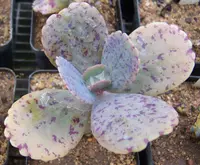
African false hosta, Drimiopsis maculata, is a small bulbous houseplant grown mainly for its striking foliage. It forms low clumps of fleshy, spoon-shaped leaves marked with dark green or purple spots. New leaves often emerge in a tight rosette from underground bulbs, giving the plant a compact, tidy look suited to windowsills and small spaces. In its native habitats of South Africa and surrounding regions, it grows in seasonal climates with dry rests and warm, bright periods. This background makes it forgiving of short dry spells but sensitive to waterlogged soil. It prefers bright, filtered light and a free-draining potting mix; understanding these basics helps you know how to care for African False Hosta.

Main Plant Requirements

Care Difficulty

Easy Care

Light Preference

Partial Shade

Water Requirements

Moderate Water

Temperature Preference

Tropical / Frost Sensitive

Hardiness Zone

10–11

Soil Texture

Sandy, Loamy, Organic-rich

Soil pH

Acidic (5.5–6.5), Slightly acidic (6.5–7.0)

Soil Drainage

Well-drained

Fertilization

Light (every 4–6 weeks)

Get Personalized Care Plan

Scan your plant to receive care tips personalized for your specific plant

Personalized Care in the App

Available on iOS and Android

How to Care for the African False Hosta

This bulb-forming species prefers bright, indirect light with some gentle sun exposure.

  • Provide 3–5 hours of soft morning sun or dappled light; avoid harsh mid‑afternoon sun that can scorch the spotted leaves.
  • The plant tolerates partial shade, but in very low light its foliage becomes pale and the African False Hosta spots may fade and elongate.
  • Outdoors, give filtered light under shrubs or trees; in summer, protect from reflective heat, and in winter move to the brightest frost-free spot available.

Watering should balance brief dryness with protection from prolonged sogginess.

  • Allow the top 2–4 cm of soil to dry before watering again, using your finger to check rather than following a fixed schedule.
  • In active growth, water thoroughly so moisture reaches the root zone, then drain excess; in cool or dormant periods, reduce watering so soil dries deeper before the next soak.
  • Leaf yellowing, a soft bulb, or a sour smell suggest overwatering and poor drainage, while limp, folding leaves and very dry soil indicate underwatering.

This species prefers warm, frost-free conditions with moderate seasonal variation.

  • Aim for 65–80°F (18–27°C) during active growth; it will slow down but usually cope at 60°F (16°C) if kept drier.
  • Short dips to about 45–50°F (7–10°C) may be tolerated by resting bulbs, but repeated exposure below 40°F (4°C) risks tissue damage or loss.
  • Protect from frost and cold drafts, but also from extreme heat above 90°F (32°C); in hot spells, increase shade and airflow to prevent leaf scorch.

This species tolerates a wide humidity range and usually does well in typical indoor air.

  • Aim for 30–50% humidity; it copes with drier air better than many foliage houseplants.
  • Crisp leaf tips, slow growth, or marginal browning can signal stress from very dry air combined with heat.
  • Increase humidity only if air is extremely dry by grouping plants or placing the African False Hosta near a shallow pebble tray, not by misting.

Drimiopsis maculata prefers a loose, fast-draining, slightly gritty mix similar to succulent soil.

  • Use roughly 50–60% all-purpose potting mix combined with 40–50% mineral components such as perlite, pumice, or coarse sand to prevent waterlogging.
  • Target a slightly acidic to neutral pH around 6.0–7.0, which supports balanced nutrient availability for the bulbs and roots.
  • Incorporate a small amount of fine bark or leaf mold to add organic matter without making the mix heavy or compacted.
  • Avoid dense clay-based mixes or containers that stay wet for long periods, as this strongly increases the risk of bulb and root rot.

This bulbous species is well suited to container growing.

  • Choose a pot just 2–4 cm wider than the bulb cluster so the plant feels slightly crowded, which encourages tighter clumps and reduces wet, unused soil volume.
  • Select a heavier material such as ceramic or stoneware if the foliage becomes top-heavy, to keep the container stable on shelves or outdoor surfaces.
  • Ensure drainage holes are unobstructed and tip out any water collecting in decorative cachepots within a few minutes to protect the bulbs from prolonged saturation.

Drimiopsis maculata benefits from light, controlled feeding during its active growing season.

  • Use a balanced liquid fertilizer (such as 10-10-10 or 20-20-20) diluted to 25–50% strength for container plants.
  • Feed every 4–6 weeks in spring and summer when new leaves appear, then stop as growth slows in fall.
  • Alternatively, mix a small amount of fine compost or a low-dose slow-release fertilizer into the topsoil at the start of the season.
  • During winter dormancy, do not apply fertilizer; excess nutrients can cause soft, weak growth and root stress.

Pruning needs for Drimiopsis maculata are minimal and focus on hygiene and tidiness rather than shaping.

  • Best time for any cleanup is late winter to early spring, before strong new growth starts.
  • Remove yellow, dead, or damaged leaves at the base using clean, sharp scissors or pruners to limit disease entry.
  • Thin out old, weak, or crowded leaves to improve air movement and light penetration into the clump.
  • Avoid heavy cutting of healthy foliage, as this bulbous plant stores energy in its leaves for future growth and flowering.

This bulbous species prefers slightly snug pots and only occasional repotting or transplanting.

  • Repot every 2–3 years, or when roots circle the pot, bulbs press against the container, or growth becomes noticeably slower.
  • Aim to repot in early spring, just before the main growing season, to support recovery and new root formation.
  • Choose a pot only 2–3 cm wider with drainage holes and use a loose, well-draining mix, such as succulent soil blended with fine bark or perlite.
  • Handle bulbs gently, keep them at the same soil depth, water lightly after repotting, and keep in bright, indirect light for 1–2 weeks to reduce stress.

This plant is commonly propagated by division of bulbs, with seed used less often in home settings.

  • Carry out division in spring when repotting, separating clumps into sections with several bulbs and healthy roots each.
  • Plant divisions into small pots with well-draining mix, setting bulbs so necks sit just at or slightly above soil level.
  • Keep the medium barely moist and maintain bright, indirect light and 65–80°F temperatures to encourage quick root establishment.
  • Seed propagation is slower; sow on the surface of a light seed mix, keep evenly moist, and provide warmth and steady light for germination.

Drimiopsis maculata is frost sensitive and needs simple but consistent winter care, especially in cool climates.

  • In regions below 40°F, grow Drimiopsis maculata in containers and move indoors before the first frost.
  • Indoors, keep at 55–65°F with bright, indirect light and reduced watering so bulbs do not stay wet and cold.
  • In mild climates, a 3–5 cm mulch layer over the root zone helps buffer temperature swings and conserve soil moisture.

Care Tips

Dormancy management

When foliage yellows and growth slows in late fall, gradually reduce watering, stop fertilizing, and let the bulbs rest almost dry until new leaves emerge in spring.

Bulb division timing

Divide crowded clumps only when the pot is full of bulbs and new leaves are pushing against each other, then separate and repot individual bulbs with their roots just covered for faster re-establishment.

Spot pattern enhancement

Provide the brightest indirect light the leaves can tolerate without scorching, since stronger light brings out darker leaf spots and a more compact growth form.

Seasonal outdoor move

In mild climates, shift the pot outdoors to a bright, sheltered spot during warm months and bring it back inside before night temperatures drop near 50°F to strengthen bulbs and improve next season’s growth.

Pest monitoring routine

Check the leaf undersides and where leaf bases meet the bulbs every time you water, so any early spider mite or mealybug activity is caught and treated before it spreads when growing African False Hosta.

Common Pests and Diseases

Mealybugs

This pest feeds on leaf and bulb sap, often hiding in leaf bases and causing yellowing, distortion, and sticky honeydew. Symptoms include slowed growth and patches of white, cotton-like masses along the petioles and between the spotted leaves.

Solution

Isolate the plant, then dab visible insects with cotton swabs dipped in 70% isopropyl alcohol and wipe leaf bases carefully. Follow with 2–3 thorough sprays of insecticidal soap or a light horticultural oil at 7–10 day intervals, and reduce excess nitrogen fertilization to discourage reinfestation.

Scale insects

These insects attach firmly along leaf midribs and at the base of the rosette, sucking sap and causing yellow mottling and a dull, stressed appearance. Honeydew may lead to sooty mold on the patterned leaves, making the spotting look dirty or blurred.

Solution

Gently scrape or wipe off scales with a soft cloth or toothbrush, then treat all plant surfaces with insecticidal soap or a low-rate horticultural oil, repeating after 7–14 days. Improve light and avoid chronic overwatering, as stronger, well-lit plants tolerate and resist scale better.

Spider mites

These pests favor the dry, warm conditions often used for resting bulbs and cause fine stippling, dull foliage, and occasional webbing between the spotted leaves. Symptoms include faded or silvery patches that reduce the contrast of the typical maculated pattern.

Solution

Rinse foliage thoroughly under a gentle shower, including leaf undersides, then apply insecticidal soap or a miticide labeled for houseplants, repeating 2–3 times at 5–7 day intervals. Raise humidity slightly around the plant and avoid very dusty, stagnant air, which encourages mite buildup.

Bulb soft rot

This disease starts at wounded or waterlogged bulb tissue, leading to soft, foul-smelling sections and sudden leaf collapse. Symptoms include bulbs that feel mushy when pressed and leaves that yellow rapidly from the base.

Solution

Remove the plant from its pot, discard all soft, discolored bulb tissue, and trim back to firm, healthy tissue using a sterile blade. Allow cut surfaces to dry for 24 hours, then repot in fresh, fast-draining mix, watering sparingly and keeping the bulb just slightly moist until new growth is stable.

Leaf spot

This disease causes irregular brown or gray lesions that can obscure or merge with the natural leaf spots, sometimes with a yellow halo. Symptoms include progressive spotting on older leaves, especially in plants kept with poor air circulation or frequently wet foliage.

Solution

Remove and discard affected leaves, then water at the soil level to keep foliage dry and improve air movement around the plant. If spread continues, apply a copper-based or other labeled ornamental fungicide following the product directions, and avoid overcrowding multiple pots in tight spaces to support healthy African False Hosta indoor care.

Interesting Facts

Speckled leaf camouflage

The dark spots on the leaves closely resemble dappled light on the forest floor, which likely helps conceal the plant from herbivores in its native habitats in South Africa and Eswatini.

Bulb-based survival

This species stores water and nutrients in underground bulbs, allowing it to survive seasonal droughts and brief neglect while resprouting reliably when conditions improve.

Night-fragrant flowers

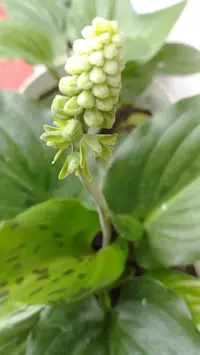
Its small, pale flower spikes release a light, sweet fragrance that is often more noticeable in the evening, which suggests some pollinators may be crepuscular or nocturnal.

Botan icon

Did you know?

In parts of its native range, Drimiopsis maculata naturally retreats almost completely underground during dry or cool seasons, with leaves dying back to the bulb, then re-emerging rapidly with rain and warmth as part of a pronounced seasonal growth cycle.

FAQs about African False Hosta

Flowering often declines when the plant is kept too dark, overfed with high-nitrogen fertilizer, or crowded in an old pot. Provide bright light, a slightly cooler, drier rest in winter, and repot or divide congested clumps.

Grow Healthy Plants with Botan Care

Keep your plants happy and healthy with plant identification, disease detection, and easy care guidance.

Botan plant care app — identify plants on mobile

Explore More Plants