Easter Lily Care (Lilium longiflorum)

Also known as: Christmas Lily (Nz)

About Easter Lily

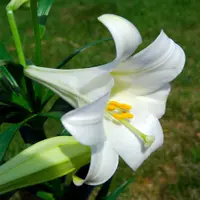
Easter lily, Lilium longiflorum, is a bulb-forming flowering plant known for its large, trumpet-shaped white blooms and strong fragrance. It is commonly grown as a seasonal indoor and garden plant. In nature, it occurs on islands of southern Japan and Taiwan, where it grows on well-drained, often coastal slopes. The plant has an upright habit and typically flowers once per year from a dormant bulb. Its predictable bloom cycle and need for cool, bright conditions influence how to care for Easter Lily. It generally prefers bright light, moderate moisture, and loose, well-drained soil to stay healthy and flower reliably.

Main Plant Requirements

Care Difficulty

Moderate Care

Light Preference

Full Sun

Water Requirements

Moderate Water

Temperature Preference

Cool Climate

Hardiness Zone

4–9

Soil Texture

Sandy, Loamy, Organic-rich

Soil pH

Acidic (5.5–6.5), Slightly acidic (6.5–7.0)

Soil Drainage

Moist but well-drained

Fertilization

Light (every 4–6 weeks)

Get Personalized Care Plan

Scan your plant to receive care tips personalized for your specific plant

Personalized Care in the App

Available on iOS and Android

How to Care for the Easter Lily

This species needs bright outdoor light to bloom well and produce sturdy stems.

  • Provide 6–8 hours of direct sun daily, ideally with morning sun and light afternoon shade, especially in hotter regions.
  • Tolerates light partial shade (around 4 hours direct sun) but flowering may be reduced and stems can stretch toward brighter light.
  • Avoid harsh, all-day afternoon sun that can scorch leaves and shorten flower life; in late spring and summer, use dappled or filtered light during the hottest hours.

Lilium longiflorum prefers evenly moist, never soggy soil around its bulbs and roots.

  • Water when the top 3–5 cm of soil feels dry, soaking the root zone thoroughly, then allow excess water to drain away.
  • Use loose, well-drained soil or beds; standing water around bulbs causes rot, while chronically dry soil leads to drooping, yellowing lower leaves.
  • In active growth and flowering, inspect soil moisture at least weekly; reduce watering once foliage dies back, keeping the soil just slightly moist, not wet.

This lily grows best in mild climates with cool to warm, but not extreme, temperatures.

  • Optimal growing temperatures are 60–75°F (16–24°C) during the day and 50–60°F (10–16°C) at night, which support strong stems and bud formation.
  • The bulbs tolerate short dips to about 20–25°F (-6 to -4°C) in the ground with mulch, but emerging shoots and flowers are damaged by hard frost.
  • In summer, plants handle brief heat up to about 85–90°F (29–32°C) if soil stays moist and roots are shaded; prolonged hotter periods can shorten flowering and stress foliage.

This species grows comfortably in average home humidity if extremes are avoided.

  • Target 40–60% humidity, which suits most living spaces and prevents leaf tip scorch on Easter Lily.
  • It tolerates moderately dry air, but very dry heated rooms can cause browning leaf tips and faster flower fade.
  • Increase humidity by grouping plants, placing the pot on a pebble tray with water below the pot base, or running a nearby humidifier.

This bulb prefers loose, well-aerated, sharply drained soil to avoid rot.

  • Use a loamy, organic-rich mix such as 2 parts peat or coco coir, 1 part compost, and 1 part perlite or coarse sand for drainage.
  • Aim for slightly acidic to neutral pH (6.0–7.0) to support nutrient uptake in Lilium longiflorum.
  • Ensure free drainage so water never pools around bulbs; avoid compacted or heavy clay-based mixes that stay wet for long periods.
  • Improve aeration by incorporating chunky materials like pine bark fines or pumice, especially in deeper beds or large containers.

This species is well suited to container growing when root depth and drainage are carefully managed.

  • Choose a pot at least 25–30 cm deep so bulbs can sit 8–10 cm below the surface while roots anchor firmly.
  • Use a heavier or wider-bottomed container outdoors to prevent tall flowering stems from tipping in wind.
  • Select thicker-walled terracotta or ceramic pots in hot, sunny sites to moderate root temperature and reduce stress-related wilting.

Lilium longiflorum responds well to moderate feeding during its active growing season.

  • Use a balanced water-soluble fertilizer (e.g., 10-10-10) at 1/2 strength every 2–3 weeks from sprouting until flowering.
  • Alternatively, apply a slow-release balanced fertilizer or a thin layer of compost in early spring for steady nutrients.
  • Stop feeding once blooms fade and reduce watering as foliage dies back, since the bulbs enter dormancy.
  • For Easter Lily indoor care, avoid strong or frequent doses that can burn roots in confined pots.

Lilium longiflorum benefits from light, timed pruning focused on spent flowers and fading foliage.

  • Deadhead individual flowers as they fade by cutting just below the bloom to reduce seed set and support bulb strength.
  • Leave green stems and leaves until they yellow naturally, then cut them back to soil level in late summer or fall.
  • Remove damaged, diseased, or badly leaning stems at the base using clean, sharp pruners to maintain plant health and appearance.
  • Avoid cutting emerging shoots in spring, as these produce the current season’s flowers and support next year’s bulbs.

Lilium longiflorum is usually grown in beds, so care centers on dividing and transplanting clumps rather than frequent repotting.

  • Look for crowded clumps, reduced flowering, or many small stems as signs bulbs need lifting and division.
  • Plan to dig and divide every 3–4 years in late summer or early fall, once foliage has fully yellowed and dried.
  • Lift bulbs gently with a fork, separate offsets by hand, discard any soft or diseased bulbs, and replant at the same depth in fresh soil.
  • Water newly transplanted bulbs thoroughly, then keep soil slightly moist, avoiding heavy disturbance to minimize root stress and help reestablishment.

Lilium longiflorum is commonly propagated by bulb division, with seed used mainly for breeding or long-term projects.

  • Divide mature clumps in late summer or early fall after foliage has died back and the bulbs are dormant.
  • Gently separate offsets from the parent bulb and replant them 10–15 cm deep in well-drained, humus-rich soil.
  • Keep the planting zone evenly moist, not soggy, and mark locations so young shoots are not disturbed in spring.
  • For seed, sow fresh in a sterile, moist mix, keep cool and bright, and expect slow, multi-year development to flowering.

Lilium longiflorum is moderately cold hardy in many regions but benefits from basic winter protection of the bulbs.

  • In zones with freezing winters, apply 5–8 cm of mulch over the root zone after the soil cools but before deep frost.
  • Allow stems to die back naturally, then cut them to soil level, leaving mulch to insulate the bulbs.
  • In very cold climates or poorly drained sites, lift bulbs in fall, store cool and dry, and replant in spring.
  • Move container-grown lilies into a frost-free but cool, bright or dim area, keeping the soil just barely moist.

Care Tips

Timely staking

Install slim stakes when shoots reach 10–15 cm and loosely tie stems with soft garden ties in a figure‑8 loop to prevent wind damage and bent flower stalks later in the season.

Flower removal strategy

As blooms fade, remove only the spent flowers but leave the green stems and leaves intact so the plant can photosynthesize and recharge the bulb for next year.

Bulb division timing

Lift and divide crowded clumps every 3–4 years in late summer or early fall, replanting the firm, healthy bulbs at the same depth to maintain strong flowering performance.

Mulch for bulb protection

Apply a 5–8 cm layer of loose, bark-based mulch over the root zone, keeping it a few cm away from stems, to stabilize soil temperature and reduce weed competition around the bulbs.

Post-bloom transition

After flowering indoors, gradually acclimate the plant to outdoor conditions over 7–10 days, then plant it in the garden at the correct depth to support long-term success when growing Easter Lily.

Common Pests and Diseases

Botrytis blight

This disease causes tan to brown spots on leaves, buds, and flowers that may develop a fuzzy gray mold in humid, cool conditions.

Solution

Remove and discard all affected leaves, buds, and flowers, avoid overhead watering, improve air circulation, and keep foliage dry; in severe outdoor cases, use a labeled fungicide for lilies and rotate planting areas to reduce lingering spores.

Basal rot

This disease begins at the basal plate of the bulb, causing yellowing, wilting, and collapse of stems, often with brown, rotted tissue at the bulb.

Solution

Dig up and discard infected bulbs, ensure soil or potting mix drains very well, avoid overwatering, and plant only firm, healthy bulbs treated with a suitable bulb fungicide if growing Easter Lily repeatedly in the same area.

Aphids

These insects cluster on tender stems, leaves, and buds, sucking sap and causing curling, distortion, and sticky honeydew that can lead to sooty mold.

Solution

Spray plants with a strong stream of water to dislodge colonies, then use insecticidal soap or neem oil on all leaf surfaces, and remove nearby weeds that can harbor aphids around Lilium longiflorum plant care areas.

Lily beetles

This pest, where present, feeds on leaves, buds, and flowers, leaving irregular holes and defoliation; bright red adults and dark larvae are usually easy to see on plants.

Solution

Handpick and destroy adults, eggs on leaf undersides, and larvae as soon as spotted, and where infestations are persistent, apply a targeted insecticide labeled for lily beetles, focusing on early-season treatment before heavy damage occurs.

Virus complex

Symptoms include mottled or streaked leaves, distorted growth, and reduced flowering caused by infection from viruses such as lily mosaic virus spread by sap-sucking insects or contaminated tools.

Solution

Remove and destroy any plants showing clear virus symptoms, control aphids and other sap feeders, disinfect cutting tools between plants, and only plant certified virus-free bulbs from reputable sources.

Interesting Facts

Originated from Ryukyu Islands

This species is native to the Ryukyu Islands of southern Japan, especially Okinawa, where it grows on coastal slopes and well-drained volcanic soils exposed to strong winds and salt spray.

Strongly fragrant night bloomer

The trumpet-shaped white flowers open more fully and release the strongest fragrance in the evening and at night, which reflects adaptation to nocturnal pollinators such as moths.

Hybridization foundation species

This species has been widely used as a parent in modern lily breeding, contributing its pure white color, trumpet form, and strong fragrance to many commercial hybrid lilies grown worldwide.

Botan icon

Did you know?

In the United States, this species became so strongly associated with the Christian Easter holiday in the early 20th century that it is now one of the country’s most commercially important potted flowering plants during spring, with growers scheduling bulb chilling and greenhouse forcing very precisely so that the flowers open just in time for Easter services and home displays.

FAQs about Easter Lily

Lack of blooms usually comes from insufficient light, bulbs that overheated in storage, or plants that did not experience a proper cool period. Old, exhausted bulbs, overcrowding, or heavy cutting of foliage the previous year also reduce flowering.

Grow Healthy Plants with Botan Care

Keep your plants happy and healthy with plant identification, disease detection, and easy care guidance.

Botan plant care app — identify plants on mobile

Explore More Plants