


Mounting technique
Attach plants to cork bark or hardwood slabs with a thin strip of nylon or soft plant tie, keeping the rhizome level and allowing roots to remain mostly exposed so they dry quickly between waterings.

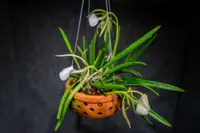
The Lady of the Night orchid, Brassavola nodosa, is a compact epiphytic orchid that often grows on tree trunks or rocks. It is valued for its strong nighttime fragrance, which is most noticeable after dark.
Plants typically have slender, pencil-like leaves and produce star-shaped white to greenish flowers on short spikes. The flowers are usually long-lasting and appear several times a year in good conditions.
In nature, it occurs from Mexico through Central America to northern South America, often in warm, bright, breezy locations. Its tolerance of dry air and short dry periods makes it relatively easy for beginners who want to learn how to care for Lady of the Night Orchid.
It generally prefers bright light, good air movement, and a free-draining, airy orchid mix that dries slightly between waterings.

Care Difficulty
Moderate Care

Light Preference
Partial Sun

Water Requirements
Moderate Water

Temperature Preference
Tropical / Frost Sensitive

Hardiness Zone
10–12

Soil Texture
Sandy, Rocky, Organic-rich

Soil pH
Acidic (5.5–6.5), Slightly acidic (6.5–7.0)

Soil Drainage
Well-drained

Fertilization
Moderate (every 2–4 weeks)
Scan your plant to receive care tips personalized for your specific plant
Available on iOS and Android
This orchid thrives in bright, indirect light with some direct sun at the right time of day.
Brassavola nodosa prefers thorough watering followed by a short dry period around the roots.
This species prefers warm conditions with a clear difference between day and night temperatures.
This orchid prefers moderately humid air but adapts to typical indoor levels if not extremely dry.
This epiphytic orchid grows best in a very open, airy mix rather than traditional potting soil.
This species is very suitable for container growing, including baskets and mounted setups with a pot attached.
This orchid benefits from light, consistent feeding during active growth to support flowering and healthy roots.
Brassavola nodosa needs only light pruning to maintain plant health and good flowering.
This orchid prefers to stay slightly root-bound and only needs repotting when the medium breaks down or roots overwhelm the container.
This orchid is most reliably propagated by division of mature clumps rather than from seed.
This warmth-loving orchid is not frost tolerant and needs sheltered conditions in winter in most climates.

Plant Health Check
Not sure what's wrong with your plant? Check your plant's health inside the app.
This orchid releases its strongest fragrance only after dark, timed to attract nocturnal moth pollinators that navigate primarily by scent rather than color.
In the wild, it usually grows as an epiphyte on tree branches along coastal forests from Mexico to Venezuela, anchoring with roots on bark while taking moisture and nutrients from rain, mist, and debris.
Its narrow, tubular flowers have a long nectar spur that matches the long proboscis of certain night-flying sphinx moths, an example of coevolution between flower structure and pollinator anatomy that is often referenced in Brassavola nodosa plant care studies.

Charles Darwin studied orchids with long nectar spurs and predicted that matching long-tongued moths must exist; Brassavola nodosa is one of the classic Neotropical examples used by botanists to illustrate this type of flower–pollinator evolutionary match.
Lack of flowers usually comes from insufficient light, too-warm nights, or no slight dry rest between growth and bloom seasons. Cooler, slightly drier nights for several weeks often trigger buds and support Brassavola nodosa care.
Keep your plants happy and healthy with plant identification, disease detection, and easy care guidance.

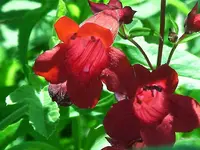
Beardlip penstemon
Penstemon barbatus
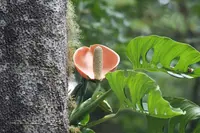
Monstera oreophila
Monstera oreophila
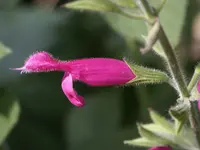
Fruit-scented Sage
Salvia dorisiana
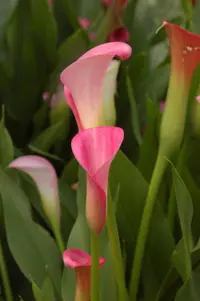
pink calla lily
Zantedeschia rehmannii
 POPULAR
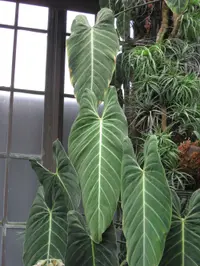
Philodendron melanochrysum
Philodendron melanochrysum
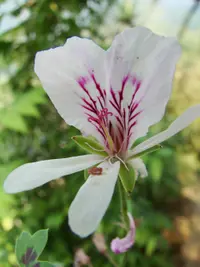
Regal geranium
Pelargonium grandiflorum
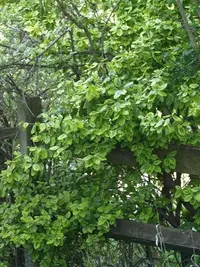
Wintercreeper
Euonymus fortunei var. radicans 'Emerald 'n Gold'
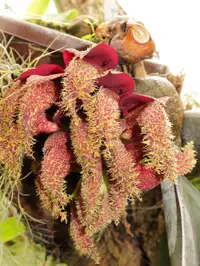
Bulbophyllum phalaenopsis
Bulbophyllum phalaenopsis