Begonia brevirimosa Care

About Begonia brevirimosa

Begonia brevirimosa is a rhizomatous tropical begonia valued for its striking foliage rather than its flowers. It forms a compact to medium-sized clump with upright, cane-like stems and broad leaves.

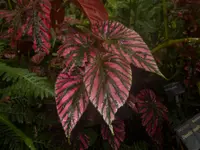
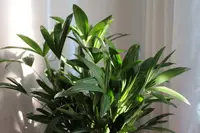
The leaves are typically dark green to deep bronze with bold pink or rose-colored variegation, giving a strong graphic look. This species originates from humid tropical forests of New Guinea, where it grows in filtered light under taller vegetation.

Its showy leaves and need for stable warmth, humidity, and gentle handling make it moderately demanding, better for growers with some experience. Understanding how to care for Begonia brevirimosa mainly means providing bright, indirect light, evenly moist but airy soil, and good humidity without waterlogging.

Main Plant Requirements

Care Difficulty

Hard Care

Light Preference

Bright Indirect Light

Water Requirements

Keep Soil Moist

Temperature Preference

Tropical / Frost Sensitive

Hardiness Zone

11–12

Soil Texture

Loamy, Peaty, Organic-rich

Soil pH

Acidic (5.5–6.5)

Soil Drainage

Moist but well-drained

Fertilization

Light (every 4–6 weeks)

Get Personalized Care Plan

Scan your plant to receive care tips personalized for your specific plant

Personalized Care in the App

Available on iOS and Android

How to Care for the Begonia brevirimosa

This species prefers bright, indirect light that mimics a forest understory.

  • Provide 6–8 hours of filtered light daily, such as light through sheer curtains or dappled shade under taller plants, to protect Begonia brevirimosa leaves from scorching.
  • Allow gentle morning sun in east-facing exposure, but avoid direct midday or afternoon sun, which can cause leaf burn and fading of the pink patterning.
  • In winter, move plants closer to bright windows or use supplemental light if leaf color dulls or stems stretch, indicating insufficient light.

This plant needs evenly moist but well-drained soil, without staying soggy.

  • Water when the top 2–3 cm of soil feels dry to the touch; aim for thorough watering until excess drains out, then discard runoff to prevent root rot.
  • Reduce watering slightly in winter when growth slows, but do not allow the root zone to dry out completely or leaves may droop and crisp at the edges.
  • Watch for yellowing, mushy stems as a sign of overwatering and dry, curling leaf margins as a sign of underwatering; adjust frequency and check that the soil mix drains freely.

This species prefers warm, stable temperatures similar to a tropical understory.

  • Aim for 65–80°F (18–27°C) for active growth; short dips are tolerated, but sustained temperatures outside this range reduce vigor.
  • Protect from cold; growth slows below about 60°F (16°C), and damage often occurs under 50°F (10°C), with frost causing rapid tissue collapse.
  • In hot periods above 85°F (29°C), increase shade and airflow, and avoid placing the plant near hot, reflective surfaces that can overheat leaves.

This species needs consistently high humidity to keep foliage healthy and prevent leaf-edge damage.

  • Aim for 60–80% humidity; use a room humidifier or humidity tray if indoor air stays below 50%.
  • Tolerates short dry spells, but prolonged air below 40% causes brown, crispy margins and dull, puckered leaves.
  • Increase local humidity with grouped plants and wide pebble trays, avoiding misting that leaves water sitting on leaves.

This plant prefers a loose, airy, organic-rich mix that holds moisture but drains rapidly.

  • Use a base of peat or coco coir with added perlite and fine orchid bark to create a fibrous, well-structured medium.
  • Ensure excess water runs through freely; water should not pool on the surface or sit in the saucer.
  • Target a slightly acidic pH around 6.0–6.5, which supports nutrient availability and healthy root function.
  • Avoid dense garden soil, high clay content, or compacted mixes that stay wet and exclude air from the roots.

This species is well suited to container growing due to its manageable root system and decorative foliage display.

  • Choose a wide, stable pot to support its spreading canopy and prevent tipping as stems lengthen and leaves enlarge.
  • Select a slightly porous material such as unglazed clay if the mix stays wet for too long in your conditions.
  • Use a pot with multiple, unobstructed drainage holes to let water exit quickly and keep the lower root zone from remaining saturated.

Consistent but light feeding supports foliage color and steady growth in Begonia brevirimosa.

  • Use a balanced liquid fertilizer (around 10-10-10 or 20-20-20) diluted to 1/4–1/2 strength for container plants.
  • Feed every 2–4 weeks during active growth in spring and summer when light and temperatures are stable.
  • Pause or reduce feeding to once every 6–8 weeks in fall and winter when growth slows.
  • Avoid heavy compost or strong slow-release pellets in small pots, which can burn sensitive roots.

Thoughtful pruning keeps Begonia brevirimosa compact, dense, and healthy.

  • Prune in late winter or early spring before vigorous new growth starts, or lightly during the growing season as needed.
  • Use clean, sharp scissors or small pruning shears to remove dead, yellowing, or damaged leaves and stems.
  • Thin crowded stems at the base to improve light penetration and air flow around the plant.
  • Tip back leggy shoots just above a node to encourage branching and a fuller shape.

Repotting maintains root health and stable moisture for Begonia brevirimosa grown in containers.

  • Check for roots circling the pot, pushing through drainage holes, or persistent wilting as signs it needs more space.
  • Plan to repot every 1–2 years in spring, when new growth begins and stress recovery is fastest.
  • Move the plant only 1 pot size up, using a well-draining, airy mix, and gently loosen circling roots without tearing them.
  • Water thoroughly after repotting, then keep in bright, indirect light and slightly higher humidity for 7–10 days to reduce shock.

Vegetative propagation is the standard way to maintain true-to-type Begonia brevirimosa plants.

  • Use stem or leaf cuttings taken in late spring or summer when growth is active and tissues are firm.
  • Place cuttings in a sterile, airy mix and keep at 70–75°F with bright, indirect light for reliable rooting.
  • Maintain high humidity using a clear cover or propagator, while allowing brief ventilation to prevent rot.
  • Division of clumps is possible in spring, keeping each division with several healthy stems and roots.

This tropical species is frost sensitive and needs sheltered winter conditions, especially in temperate climates.

  • Keep plants above 55°F; exposure near freezing can damage foliage and stems.
  • Move container plants indoors before night temperatures drop below 60°F, placing them in bright, indirect light.
  • Reduce watering in winter, allowing the top of the mix to dry slightly, as growth naturally slows.
  • Avoid cold drafts and sudden temperature swings, which can cause leaf drop and stress.

Care Tips

Leaf support setup

Provide a low, open support frame or mesh behind the plant so the large, heavy leaves can rest without snapping their petioles, and rotate the pot slightly every 1–2 weeks so new growth distributes evenly toward the light source.

High-airflow placement

Position the plant where there is gentle, consistent air movement from an oscillating fan on low to keep leaves dry after watering or misting and reduce fungal spotting, but avoid direct drafts from air conditioners or heaters.

Preventive pest scouting

Inspect the undersides of leaves and petioles weekly with a hand lens, and at the first sign of spider mites or thrips, isolate the plant and use a gentle insecticidal soap or neem-based spray, repeating as directed on the label until no new pests appear.

Clean foliage routine

Wipe both sides of the leaves every 3–4 weeks with a soft, barely damp cloth to remove dust, which helps maintain efficient photosynthesis and makes it easier to spot early signs of stress or pests when caring for Begonia brevirimosa.

Repotting strategy

Repot only when roots circle the pot or water runs straight through, moving up just 2–3 cm in pot diameter and keeping the root ball slightly tight to encourage compact, upright growth rather than weak, overly lush stems.

Common Pests and Diseases

Powdery mildew

This disease often appears on Begonia leaves kept in warm rooms with poor air circulation and fluctuating moisture. Symptoms include white, dusty patches on the upper leaf surface that can spread quickly and distort growth.

Solution

Improve airflow around the plant, avoid overhead watering, and keep humidity stable but not extreme. Remove heavily affected leaves and apply a sulfur-based or potassium bicarbonate fungicide labeled for ornamentals, following directions carefully for effective Begonia brevirimosa care instructions.

Botrytis blight

This disease develops in cool, humid conditions and on plants with wet foliage or decaying plant material. Symptoms include gray, fuzzy mold on leaves, stems, and flowers, often starting on damaged tissue or old blooms.

Solution

Remove all affected and fallen plant material, increase air movement, and keep leaves as dry as possible by watering at the soil level. In persistent cases, use a botrytis-labeled fungicide and avoid crowding plants to reduce humidity around the foliage.

Fungus gnats

These insects thrive in the consistently moist, organic-rich potting mixes often used for Begonia brevirimosa. Symptoms include tiny black flies around the soil surface and larvae feeding on fine roots, which can stunt growth in young or stressed plants.

Solution

Allow the top 2–3 cm of soil to dry slightly between waterings, and use yellow sticky traps to reduce adult populations. For larvae, apply a biological control such as Bacillus thuringiensis israelensis (BTI) or beneficial nematodes, and consider repotting into a well-draining mix if the soil stays wet too long.

Spider mites

This pest becomes a problem in warm, dry indoor air and on plants kept close to heaters or in low humidity. Symptoms include very fine webbing, stippled or speckled leaves, and gradual leaf dulling and drop.

Solution

Increase humidity around the plant, rinse the foliage thoroughly with lukewarm water, and wipe leaves to remove mites. For ongoing infestations, apply insecticidal soap or horticultural oil to both upper and lower leaf surfaces at 5–7 day intervals until new growth appears clean.

Bacterial leaf spot

This disease is favored by high humidity and frequent leaf wetting. Symptoms include small, water-soaked spots that may turn brown or black with yellow halos, starting on older leaves and spreading in crowded, moist conditions.

Solution

Promptly remove and discard affected leaves, avoid splashing water on foliage, and water early in the day so leaves dry quickly. Improve spacing and airflow; in severe cases, discard heavily infected plants and disinfect tools and pots before reusing to prevent spread to other begonias.

Interesting Facts

Naturally pink foliage

This species is one of the few begonias with naturally bright metallic pink patterning on its leaves, caused by specialized pigments and leaf surface structure rather than artificial coloring or variegation from virus infection.

Rainforest understory origin

It is native to humid lowland and mid‑elevation rainforests of Papua New Guinea, where it grows on the shaded forest floor and on moist rocks, adapted to filtered light and high ambient humidity.

Large asymmetrical leaves

The plant produces broad, strongly asymmetrical leaves that can reach notable sizes for a begonia, an adaptation that increases light capture in the dim understory environment.

Botan icon

Did you know?

Wild populations of this species are considered geographically restricted to parts of Papua New Guinea, which contributes to its rarity in cultivation and its status as a sought‑after foliage plant among collectors.

FAQs about Begonia brevirimosa

Brown leaf edges or patches usually come from low humidity, inconsistent watering, or fertilizer burn. Improve humidity, keep the mix lightly moist but not wet, flush excess salts, and protect leaves from direct hot drafts or heaters.

Grow Healthy Plants with Botan Care

Keep your plants happy and healthy with plant identification, disease detection, and easy care guidance.

Botan plant care app — identify plants on mobile

Explore More Plants