


Pinch For Bushiness
Pinch out the very tip of each young stem with clean fingers once shoots reach 8–10 cm to encourage dense, branched growth and more flower sites rather than tall, sparse plants.

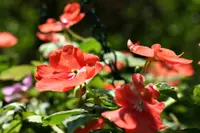
Busy lizzie, Impatiens walleriana, is a compact, fast-growing flowering plant valued for its continuous blooms and neat, bushy habit. It is commonly grown as an annual bedding plant or in containers. Flowers come in many bright colors with simple, flat petals, held above soft, succulent-like stems and smooth, medium-green leaves. In mild climates it can form low mounds that fill gaps and edges quickly. This species originates from tropical East Africa, so it favors warm conditions, consistent moisture, and sheltered sites. It prefers bright, indirect light and well-drained but evenly damp soil, which makes it relatively easy to care for Busy lizzie in many home gardens.

Care Difficulty
Moderate Care

Light Preference
Partial Shade

Water Requirements
Keep Soil Moist

Temperature Preference
Tropical / Frost Sensitive

Hardiness Zone
10–11

Soil Texture
Loamy, Silty, Organic-rich

Soil pH
Acidic (5.5–6.5), Slightly acidic (6.5–7.0)

Soil Drainage
Moist but well-drained

Fertilization
Moderate (every 2–4 weeks)
Scan your plant to receive care tips personalized for your specific plant
Available on iOS and Android
Impatiens walleriana grows best in bright, indirect light with protection from harsh midday sun.
This plant prefers evenly moist, well-drained soil and reacts quickly to both drought and excess water.
This species thrives in mild, frost-free conditions and declines rapidly in cold or extreme heat.
This species prefers moderately moist air and benefits from slightly elevated humidity.
This plant grows best in loose, moisture-retentive but well-drained soil.
This species is very suitable for container growing on patios, balconies, and shaded beds.
Impatiens walleriana responds well to light, consistent feeding during active growth.
Pruning helps Impatiens walleriana stay compact, leafy, and floriferous.
Container-grown plants benefit from careful transplanting to refresh roots and soil.
Impatiens walleriana is commonly propagated from both stem cuttings and seed.
This species is frost-tender and usually grown as a warm-season annual in most climates.

Plant Health Check
Not sure what's wrong with your plant? Check your plant's health inside the app.
This species ejects its ripe seeds through a touch-sensitive capsule that bursts open when disturbed, a mechanism known as ballistic dispersal, which helps spread offspring several feet from the parent plant.
Many modern bedding forms trace back to complex hybrids between wild Impatiens walleriana from East Africa and closely related species, which has increased flower size, color range, and compact growth for garden use.
Its leaves are adapted to use low light efficiently, with relatively thin leaf blades and high chlorophyll content, which is why it can flower reliably in bright shade where many other bedding plants decline.

In some warm, frost-free regions, escaped garden plants have formed naturalized populations of Impatiens walleriana along moist, shaded stream banks and drainage channels, where the species can flower and set seed nearly all year if water is available.
Lack of blooms often comes from low light, heavy shade from other plants, or nutrient imbalance from high-nitrogen fertilizer. Old, exhausted plants also flower less. Deadhead spent flowers and use a balanced fertilizer to restore blooming.
Keep your plants happy and healthy with plant identification, disease detection, and easy care guidance.

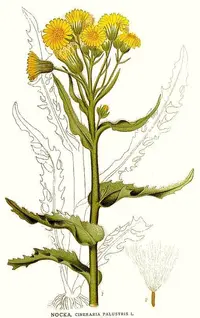
marsh fleabane
Tephroseris palustris

Wax Plant
Hoya pubicalyx 'Royal Hawaiian Purple'
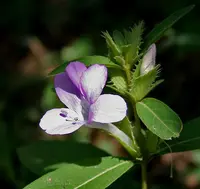
crested Philippine violet
Barleria cristata
lipstick plant
Aeschynanthus pulcher
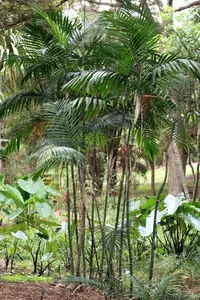
pacaya
Chamaedorea costaricana
 POPULAR
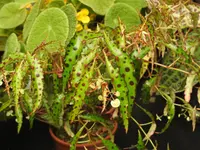
Begonia amphioxus
Begonia amphioxus
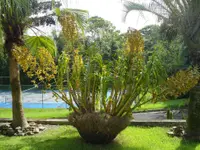
Tiger Orchid
Grammatophyllum speciosum

Fancy-leaf Caladium
Caladium 'White Christmas'