Carnation Care (Dianthus caryophyllus)

Also known as: clove pink

About Carnation

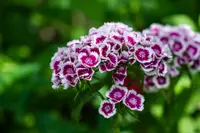
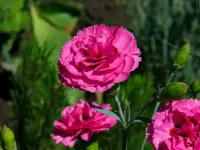
Carnation, Dianthus caryophyllus, is a classic flowering perennial grown mainly for its frilled, long-lasting blooms and clove-like fragrance. Plants usually form compact, bushy clumps with narrow blue-green leaves.

In the wild, this species comes from the Mediterranean region, where it grows in sunny, dry, rocky areas. Modern garden forms appear in many colors, including pink, red, white, and bi-colored flowers.

Carnations are considered moderately easy if their basic needs are met. They prefer bright light, well-drained soil, and moderate moisture, and they dislike heavy, waterlogged conditions.

Understanding how to care for Carnation starts with providing strong light and avoiding excess humidity around the foliage, which helps keep plants healthy and flowering well.

Main Plant Requirements

Care Difficulty

Moderate Care

Light Preference

Full Sun

Water Requirements

Moderate Water

Temperature Preference

Cool Climate

Hardiness Zone

6–9

Soil Texture

Sandy, Loamy

Soil pH

Acidic (5.5–6.5), Slightly alkaline (7.0–7.5)

Soil Drainage

Well-drained

Fertilization

Light (every 4–6 weeks)

Get Personalized Care Plan

Scan your plant to receive care tips personalized for your specific plant

Personalized Care in the App

Available on iOS and Android

How to Care for the Carnation

This species needs bright sun to flower well and stay compact.

  • Provide 6–8 hours of direct sun daily, with morning sun and light afternoon shade ideal in hot summers for Carnation clumps.
  • In very hot regions, protect from harsh sun 12–4 p.m. using light shade or positioning near taller plants to reduce leaf scorch.
  • If stems stretch, bloom count drops, or foliage pales, the site is too shady; move to a more open, south- or west-facing position.

This plant prefers evenly moist but never soggy soil.

  • Water when the top 3–5 cm of soil feels dry, directing water at the base to keep foliage and flowers as dry as possible.
  • Ensure sharply drained soil; pooling water, algae, or a sour smell indicate poor drainage and risk of root rot in Dianthus caryophyllus.
  • In cool seasons reduce frequency, while in hot, dry weather increase checks; wilted, dull leaves suggest thirst, whereas yellowing, limp stems suggest overwatering.

This species prefers mild conditions and dislikes temperature extremes.

  • Optimal growth occurs around 60–75°F (16–24°C), with cooler nights promoting strong stems and longer-lasting blooms.
  • The plant tolerates light frosts down to about 25°F (-4°C) once established but benefits from mulch in winter to protect roots.
  • Heat above 85–90°F (29–32°C) can reduce flowering and stress plants, so provide afternoon shade and consistent moisture during hot spells.

Humidity plays only a minor role for Dianthus caryophyllus, which prefers drier air conditions.

  • Target 30–50% humidity, similar to typical indoor and outdoor air in most homes and gardens.
  • This plant tolerates dry air well; avoid placing it in constantly damp, poorly ventilated locations.
  • Watch for limp, pale foliage or increased fungal spots as signs of excess humidity stress and improve air movement around Carnation.

Dianthus caryophyllus prefers lean, well-draining soil that stays slightly moist but never waterlogged.

  • Use a sandy or loamy mix with 30–40% coarse sand or fine grit to keep the structure open and free-draining.
  • Aim for slightly alkaline to neutral pH around 6.8–7.5; add garden lime if soil tests show it is strongly acidic.
  • Incorporate only modest compost, about 10–20%, to avoid overly rich, moisture-holding conditions that promote weak, lush growth.
  • Improve aeration by blending in perlite or small horticultural grit and avoid heavy clay or peat-heavy mixes that stay wet for long periods.

This species is well suited to container growing when drainage and root space are managed carefully.

  • Choose a pot at least 20–25 cm wide and relatively shallow so the fibrous roots can spread without sitting in deep, wet soil.
  • Select terracotta or other porous materials to help excess moisture evaporate and reduce the risk of root rot in compact mixes.
  • Elevate the container on feet or bricks so drainage holes clear freely, especially outdoors, preventing water from pooling under the pot after rain.

Dianthus caryophyllus benefits from light, consistent feeding during its active growing and flowering season.

  • Use a balanced liquid fertilizer (for example 10-10-10) at 1/2 strength every 3–4 weeks in spring and summer.
  • Alternatively, apply a thin layer of mature compost or a low-rate slow-release granular fertilizer in early spring.
  • Ensure soil is moist, not dry, before feeding to avoid root burn and keep salts from building up.
  • In fall and winter, when growth slows, reduce feeding to once in 6–8 weeks or stop entirely for Carnation indoor care.

Pruning helps Dianthus caryophyllus maintain a compact shape and extend the flowering period.

  • Deadhead spent blooms promptly by cutting just above a healthy leaf node to encourage new buds.
  • In late summer, lightly shear back leggy or straggly stems by 1/3 to promote denser growth.
  • Remove dead, diseased, or crossing stems at the base with clean, sharp scissors or hand pruners.
  • In early spring, tidy winter-damaged foliage and stems to improve air circulation and reduce fungal problems.

This species prefers well-drained soil and benefits from occasional transplanting or careful repotting when growth slows.

  • Check for roots circling the pot, dense root mass, or reduced flowering as signs a container plant needs a larger pot.
  • Transplant or repot in early spring or early fall, avoiding extreme heat to limit stress.
  • Select a pot only 2–5 cm wider with drainage holes and a gritty, well-drained mix to prevent waterlogging.
  • Handle the root ball gently, loosening only the outer roots, then water thoroughly and shade lightly for a few days to aid recovery.

Dianthus caryophyllus is commonly propagated to maintain desired flower color and form.

  • Take 7–10 cm non-flowering stem cuttings in late spring or summer, insert into a free-draining mix, and keep bright but out of direct midday sun.
  • Maintain lightly moist medium and moderate humidity until roots form, usually in 3–4 weeks.
  • Divide mature clumps in early spring, replanting sections with several healthy shoots and roots.
  • Sow seeds indoors in late winter with light, well-drained seed mix and temperatures around 65–70°F, providing bright light for even germination.

Dianthus caryophyllus is moderately cold hardy but benefits from simple winter care in colder regions.

  • In USDA zones around 6–7 and colder, apply a 5–8 cm mulch layer around, not on, the crowns after the ground cools.
  • Avoid waterlogged soil in winter, as cold combined with excess moisture increases root rot risk.
  • For containers, move pots to a sheltered, bright frost-free or near-freezing location during hard freezes.

Care Tips

Encourage Bushy Growth

Pinch out the soft tips of young stems when they reach 10–15 cm to promote branching and create a dense, floriferous plant rather than a few tall, weak shoots.

Use Disbudding Selectively

For larger, exhibition-style blooms, remove side buds on each flowering stem and keep only the central bud, while for a mass of smaller flowers leave most buds in place.

Provide Discreet Support

In windy or exposed sites, use low ring supports or a grid of soft twine above the soil to keep stems upright and reduce breakage without looking obtrusive.

Monitor For Split Crowns

Inspect older clumps yearly for woody, splitting centers and lift, divide, and replant only the most vigorous outer sections to maintain strong flowering performance.

Rotate Planting Positions

Avoid replanting carnations in exactly the same soil for several years to reduce soil-borne disease buildup, especially when growing Carnation intensively for cut flowers.

Common Pests and Diseases

Rust

This disease causes small orange, brown, or rust-colored pustules on leaves and stems, often leading to yellowing and premature leaf drop.

Solution

Remove and discard affected foliage, avoid overhead watering, and increase spacing for better airflow; in persistent cases, apply a sulfur- or copper-based fungicide labeled for ornamental use, following the product directions carefully.

Fusarium wilt

This disease leads to progressive wilting, yellowing, and stunting, often starting on one side of the plant, with brown discoloration visible in the stem when cut open.

Solution

Remove and destroy infected plants including roots, improve soil drainage, and avoid replanting carnations in the same spot for several years; choose resistant cultivars when available and use clean tools and fresh, disease-free growing media.

Bacterial wilt

Symptoms include sudden wilting of otherwise green foliage, dark streaks in stems, and sometimes a sticky bacterial ooze from cut tissues.

Solution

Promptly discard affected plants and avoid overhead irrigation that splashes water between plants; disinfect cutting tools with a 10% bleach solution or 70% alcohol between plants and start new stock from certified disease-free material.

Aphids

These insects cluster on tender shoots and buds, sucking sap and causing distorted growth, sticky honeydew, and sometimes sooty mold on leaves and flower stems.

Solution

Spray colonies off with a firm stream of water, then use insecticidal soap or a ready-to-use horticultural oil, coating stems and the undersides of leaves; repeat treatments every 5–7 days until populations drop and monitor regularly as part of general Dianthus caryophyllus care.

Carnation fly

This pest, also called the carnation leaf miner, causes winding, pale tunnels inside leaves where larvae feed, reducing vigor and spoiling the plant’s appearance.

Solution

Remove and destroy mined leaves as soon as they appear to break the life cycle, use yellow sticky traps to monitor adults, and, if activity remains high, apply a systemic or translaminar insecticide labeled for leaf miners, following all safety and timing instructions.

Interesting Facts

Complex flower fragrance

The clove-like scent of carnation flowers comes mainly from a group of aromatic compounds such as eugenol and benzoic acid derivatives, which are actively studied in floral scent biochemistry.

Inherited flower colors

Many modern carnation color patterns, including bicolors and picotee edges, are the result of selective breeding that modifies the distribution of anthocyanin pigments within the petals.

Long-lasting cut flowers

Commercial carnations are valued in the cut-flower industry because individual blooms often remain attractive in a vase for 2–3 weeks under good conditions, due in part to their relatively slow petal senescence, the aging process of flower tissues.

Botan icon

Did you know?

The first genetically engineered cut flower sold commercially was a carnation with modified petal color, created by inserting genes that allowed production of delphinidin-type anthocyanins, a pigment not naturally present in this species.

FAQs about Carnation

Lack of blooms often comes from too much shade, excessive nitrogen fertilizer, or old, woody stems. Ensure strong light, use balanced fertilizer, and deadhead spent flowers. Regularly trim leggy growth to stimulate fresh, flowering shoots.

Grow Healthy Plants with Botan Care

Keep your plants happy and healthy with plant identification, disease detection, and easy care guidance.

Botan plant care app — identify plants on mobile

Explore More Plants