Seedling taproot protection
Transplant seedlings only once and as early as possible, handling the root ball gently and planting at the same depth, because disturbing or bending the taproot later can permanently stunt growth or cause plant loss.

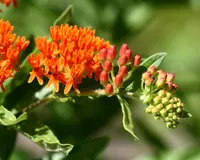
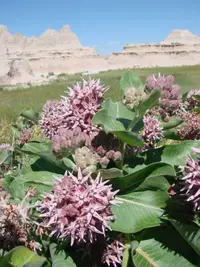
Butterfly weed, Asclepias tuberosa, is a long-lived perennial wildflower in the milkweed family, valued for supporting butterflies and other pollinators. It forms low, clumping growth with narrow leaves and upright stems topped by bright orange flower clusters.
This species is native to dry prairies, open meadows, and roadsides across much of eastern and central North America. Its deep taproot makes it drought tolerant once established but slow to settle in after planting.
Because it prefers full sun, lean, well-drained soil, and does not like being moved, gardeners care for Butterfly weed best by choosing a permanent, sunny spot from the start.

Care Difficulty
Easy Care

Light Preference
Full Sun

Water Requirements
Low Water

Temperature Preference
Cold Hardy

Hardiness Zone
3–9

Soil Texture
Sandy, Loamy, Rocky

Soil pH
Acidic (5.5–6.5), Slightly acidic (6.5–7.0)

Soil Drainage
Well-drained

Fertilization
Minimal (feed rarely)
Scan your plant to receive care tips personalized for your specific plant
Available on iOS and Android
This sun-loving perennial performs best in open, exposed conditions for strong growth and flowering.
This deep-rooted prairie plant prefers infrequent watering once established, with soil drying between soakings.
This hardy perennial tolerates a wide temperature range but responds best to warm growing conditions and cold winters.
This species thrives in dry to moderately humid air and rarely needs special humidity management.
This species prefers lean, well-drained, slightly sandy soil that does not stay wet.
This species can be grown in containers, but long, deep roots make it more demanding than many ornamentals.
Asclepias tuberosa grows best in lean soils and usually needs little to no fertilizer.
Asclepias tuberosa benefits from light, well-timed pruning to maintain vigor and flowering.
This deep-rooted perennial dislikes disturbance, so transplant or repot Asclepias tuberosa only when clearly necessary.
Propagation of Asclepias tuberosa is most reliable from seeds under the right temperature and moisture conditions.
Established Asclepias tuberosa is cold hardy in much of the US and usually needs minimal winter care.

Plant Health Check
Not sure what's wrong with your plant? Check your plant's health inside the app.
This species is a primary larval food plant for monarch butterfly caterpillars in many US prairie and roadside habitats, providing both nutrition and chemical defense compounds called cardenolides.
It forms a thick, carrot-like taproot that can extend deep into well-drained soils, allowing the plant to survive drought and resprout after top growth is damaged or cut back.
Unlike many other milkweeds, its stems and leaves contain relatively little milky latex, which is why the foliage often appears less sappy when broken compared with related Asclepias species.

Asclepias tuberosa is one of the few milkweed species naturally lacking the typical white milky sap, which historically led some early botanists to debate whether it truly belonged within the milkweed group before its floral structure clarified its placement.
Lack of flowers often comes from too little direct sun, overly rich or heavily fertilized soil, or plants that are still immature. Avoid high-nitrogen fertilizer, keep soil well drained, and be patient as young plants establish.
Keep your plants happy and healthy with plant identification, disease detection, and easy care guidance.