Submerged Stem Harvesting
Cut upper stem portions just above a leaf node and leave several nodes on the base; the remaining nodes will sprout new shoots and create a fuller stand for ongoing harvest.

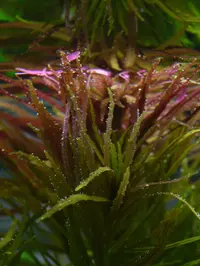
Rice paddy herb, Limnophila aromatica, is a semi-aquatic herb best known from Southeast Asian cuisine and often grown in flooded fields or very wet soils. It has fine, aromatic foliage and a low, spreading to upright habit that suits both outdoor water gardens and very moist containers.
In its natural habitat, it occurs in warm, sunny, monsoon climates, where roots stay consistently wet. Its fast growth makes it rewarding but it needs stable warmth, ample moisture, and good light to stay compact and flavorful.
In home cultivation, understanding how to care for Rice Paddy Herb mainly means keeping the root zone wet, providing high light, and avoiding cold or drying conditions.

Care Difficulty
Moderate Care

Light Preference
Full Sun

Water Requirements
Aquatic

Temperature Preference
Tropical / Frost Sensitive

Hardiness Zone
10–11

Soil Texture
Loamy, Silty, Organic-rich

Soil pH
Acidic (5.5–6.5), Slightly acidic (6.5–7.0)

Soil Drainage
Waterlogged tolerant

Fertilization
Moderate (every 2–4 weeks)
Scan your plant to receive care tips personalized for your specific plant
Available on iOS and Android
This semi-aquatic herb prefers bright, warm conditions with consistent light exposure for strong, aromatic growth.
This species is adapted to very wet conditions and performs best with consistently saturated roots.
This warm-season aquatic herb thrives in consistently mild to hot conditions and reacts poorly to cold.
This semi-aquatic herb prefers very high humidity to mimic wet paddy conditions.
This species prefers saturated, organic-rich substrates that stay wet yet loosely structured around the roots.
This plant is well suited to container culture, especially in water trays or mini-bog setups.
Limnophila aromatica responds well to modest, consistent feeding in warm, active growth.
Pruning Limnophila aromatica maintains compact growth and encourages fresh, flavorful shoots.
This semi-aquatic herb is usually grown in beds or flooded containers and benefits from periodic transplanting.
Limnophila aromatica is commonly multiplied from stem cuttings rather than seed for uniform flavor.
This tropical herb is frost-sensitive and needs warm conditions in winter outside tropical climates.

Plant Health Check
Not sure what's wrong with your plant? Check your plant's health inside the app.
This species naturally grows in flooded rice fields and wet lowland areas across Southeast Asia, thriving in shallow standing water and seasonally inundated soils.
Crushed leaves release a strong, complex aroma often described as a mix of citrus, anise, and cumin, which is why the plant is widely used as a flavoring herb in Vietnamese and other Southeast Asian cuisines.
The plant can grow both as a semi-aquatic emergent herb in paddies and ditches and as a fully submerged stem plant in aquariums, showing marked differences in leaf shape and coloration between the two forms.

In traditional Vietnamese cooking, this herb is a characteristic ingredient in dishes like canh chua (sour soup), where its aromatic leaves are added at the end of cooking to preserve their volatile flavor compounds, giving the dish a distinctive regional identity.
Yes, this species is edible and widely used in Southeast Asian cuisine. The leaves and tender stems add a citrusy, slightly spicy flavor to soups, salads, and fresh rolls. Always harvest from pesticide-free, clean-growing conditions.
Keep your plants happy and healthy with plant identification, disease detection, and easy care guidance.