English lavender Care (Lavandula angustifolia)

Also known as: Lavender, Common Lavender

About English lavender

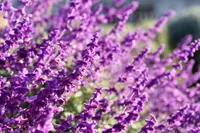
English lavender, Lavandula angustifolia, is a compact, woody perennial shrub valued for its fragrant foliage and flower spikes. It typically forms neat mounds with narrow gray-green leaves and tall stems topped with purple blooms.

This species is native to the Mediterranean region, where it grows in sunny, dry, rocky areas with good air movement. Its natural origin explains its preference for strong light, low to moderate moisture, and well-drained, often sandy or gravelly soils.

Lavandula angustifolia is generally considered manageable for beginner and intermediate gardeners, as long as drainage and light needs are met. Understanding these basic preferences helps clarify how to care for English lavender in gardens and containers.

Main Plant Requirements

Care Difficulty

Moderate Care

Light Preference

Full Sun

Water Requirements

Low Water

Temperature Preference

Cold Hardy

Hardiness Zone

5–9

Soil Texture

Sandy, Loamy, Rocky

Soil pH

Slightly acidic (6.5–7.0), Slightly alkaline (7.0–7.5)

Soil Drainage

Well-drained

Fertilization

Minimal (feed rarely)

Get Personalized Care Plan

Scan your plant to receive care tips personalized for your specific plant

Personalized Care in the App

Available on iOS and Android

How to Care for the English lavender

Lavandula angustifolia needs strong, direct sun to flower well and stay compact.

  • Provide 6–8 hours of direct sun daily; south- or west-facing spots are ideal for caring for English lavender outdoors.
  • Plant where it receives morning sun and can tolerate hot afternoon sun, though in very hot climates light afternoon shade helps prevent leaf scorch.
  • Avoid deep or prolonged shade, which causes weak, floppy growth and poor flowering; in winter, ensure the site remains as open and bright as possible.

This species prefers infrequent, deep watering and consistently fast-draining soil.

  • Allow the top 3–5 cm of soil to dry fully before watering; in many climates this means waiting until foliage looks slightly dull rather than following a fixed schedule.
  • Use sharply drained, gritty soil so water runs through quickly; soggy or compacted ground greatly increases root rot risk for Lavandula angustifolia.
  • Reduce watering in cool or wet seasons, and watch for yellowing, soft stems (overwatering) or drooping, brittle foliage (underwatering) as cues to adjust.

This Mediterranean shrub prefers cool to warm conditions and tolerates moderate cold once established.

  • Optimal growing temperatures are 60–75°F (16–24°C), with good air circulation to prevent fungal problems in humid climates.
  • Mature plants usually survive down to about 10–15°F (-12–-9°C) if soil drains freely; in colder areas, mulch the root zone and avoid winter-wet spots.
  • In summer, plants handle up to 90–95°F (32–35°C) if roots stay cool and soil is not waterlogged; prolonged heat plus humidity can stress foliage and reduce flowering.

Humidity is rarely a limiting factor for Lavandula angustifolia, which prefers dry air.

  • Aim for 30–50% relative humidity, similar to a typical heated indoor home or dry outdoor climate.
  • Dry air is usually better tolerated than damp conditions; avoid prolonged humidity above 60%, especially with poor air flow.
  • Watch for limp, blackened stem bases and grey mold on leaves as signs of excess humidity, and increase ventilation instead of misting.

Lavandula angustifolia needs lean, very free-draining soil to prevent root and crown rot.

  • Use a sandy or gritty loam with low organic content; aim for a light, crumbly structure rather than dense or spongy soil.
  • Ensure very sharp drainage by mixing roughly 50–70% mineral materials such as coarse sand, grit, or fine gravel with 30–50% standard potting mix.
  • Target a slightly alkaline to neutral pH of about 6.5–7.5; add a small amount of garden lime if the existing mix is acidic.
  • Avoid clay-heavy, compacted, or water-retentive mixes and correct them by blending in coarse sand or grit to improve aeration and drainage.

This species is well suited to container growing when drainage and stability are carefully managed.

  • Choose a heavy clay or ceramic pot to counter the plant’s top-heavy, woody growth and reduce tipping in windy spots.
  • Use a pot only 2–5 cm wider than the root ball to keep the root zone drier and reduce the risk of prolonged saturation.
  • Raise the container on pot feet or bricks so drainage holes stay clear and excess water escapes quickly after rain or irrigation.

This Mediterranean shrub prefers lean soil, so English lavender needs only light, infrequent feeding in containers or very poor ground.

  • Use a low-dose balanced NPK or slow-release fertilizer formulated for flowering perennials, or mix in a small amount of well-rotted compost.
  • Feed once at the start of active growth in spring; a second light application in mid-summer is enough for most plants.
  • Dilute liquid products to 1/2–1/4 strength to avoid soft, floppy growth and reduced fragrance.
  • Stop feeding in late summer so new growth hardens before winter dormancy.

Thoughtful pruning keeps Lavandula angustifolia compact, long-lived, and floriferous.

  • Cut back faded flower spikes in mid- to late summer with clean, sharp snips to encourage a neater shape and possible rebloom.
  • In early spring, lightly trim back about 1/3 of the previous year’s leafy growth, avoiding cuts into old, woody stems.
  • Remove dead, damaged, or crossing branches whenever noticed to maintain airflow and reduce disease risk.
  • Shape plants into low mounds rather than tight balls to preserve strong flowering wood and prevent dieback.

Container-grown plants and young garden specimens of Lavandula angustifolia benefit from occasional transplanting into fresh, sharply drained soil.

  • Look for roots circling the pot drainage holes, water running straight through, or stalled growth as signs it is time to move up 1 pot size.
  • Plan repotting or transplanting for spring or early fall, avoiding extreme heat or deep winter conditions.
  • Refresh into a gritty, fast-draining mix, handling roots gently and loosening only tight outer coils to limit stress.
  • Water lightly after moving, then allow soil to dry between waterings while new roots establish over several weeks.

New Lavandula angustifolia plants are most reliable from semi-ripe stem cuttings, with seeds as a slower alternative.

  • Take 7–10 cm non-flowering tip cuttings in late spring or summer, trimming just below a node and removing lower leaves.
  • Insert cuttings into a free-draining, low-nutrient mix, optionally using rooting hormone, and keep in bright, indirect light.
  • Maintain slightly moist but not wet conditions and moderate humidity until roots form, usually in 4–6 weeks.
  • For seed, sow on the surface of gritty compost, chill if required, then provide light, 60–70°F temperatures, and careful watering.

Established Lavandula angustifolia is reasonably cold hardy in many regions but benefits from some winter attention, especially in containers or very wet sites.

  • In the ground, ensure excellent drainage and avoid sites where water pools or soil stays saturated in winter.
  • Apply a light, gravelly mulch around the root zone in late fall, keeping material away from the woody crown.
  • In colder zones or exposed spots, position plants out of prevailing winter winds to reduce desiccation of foliage.
  • Move container plants against a sheltered wall or into a bright, cool, frost-free space if long hard freezes are expected.

Care Tips

Improve air circulation

Space plants 30–45 cm apart and avoid dense mixed plantings so foliage dries quickly after rain, which reduces fungal problems and dieback.

Use mineral mulches

Instead of organic bark or compost mulches, apply a thin 1–2 cm layer of gravel or coarse sand around the base to keep the crown dry and reflect heat and light onto the plant.

Shape with soft ties

In windy or exposed sites, loosely tie young stems to low hoops or discreet canes so plants grow upright and compact without snapping in storms.

Plan for renewal

Every 4–6 years, replace older, woody plants with fresh stock by taking semi-ripe cuttings in late summer, which maintains a dense, flowering display over time.

Optimize winter drainage

In cold, wet climates, mound soil into a low ridge or use a slightly raised bed so roots sit above surrounding ground level, which is one of the most effective ways of caring for English lavender in heavy or compacted soils.

Common Pests and Diseases

Spittlebugs

This pest creates frothy white blobs on stems and flower spikes, where the nymphs hide and feed on sap. Symptoms include minor distortion or weakening of soft stems if infestations are heavy.

Solution

Remove spittle masses by hand or wash them off with a strong but controlled stream of water, taking care not to damage flower spikes. Keep plants well spaced and pruned to maintain airflow, which makes the habitat less favorable and makes spotting and removing spittlebugs easier when growing English lavender outdoors or in containers.

Four-lined plant bugs

These insects suck sap from young stems and leaves, causing round, sunken, brown or black spots that can merge and make foliage look scorched. Damage is often most noticeable in late spring to early summer on new growth.

Solution

Prune and discard the most heavily damaged stems to remove eggs and feeding sites, and avoid overhead watering that can soften young tissue. If needed, knock nymphs and adults into soapy water by gently tapping stems, and encourage beneficial insects by avoiding broad-spectrum insecticides that harm predators.

Phytophthora crown and root rot

This disease causes sudden wilting, off-color foliage, and collapse of plants, often starting on poorly drained or overwatered sites. Symptoms include blackened, mushy roots and lower stems when examined below soil level.

Solution

Remove and discard affected plants including as much of the surrounding soil as practical, and do not replant lavender in that spot for several years. Improve drainage with raised beds or gritty soil mixes, avoid overwatering, and keep irrigation off the woody crown to reduce infection risk as part of Lavandula angustifolia plant care.

Septoria leaf spot

This disease produces small gray to tan spots with darker borders on lower leaves, which may yellow and drop prematurely in humid or poorly ventilated conditions. In severe cases, plants look thin and defoliated from the base upward.

Solution

Prune and discard infected lower stems and fallen leaves to reduce fungal spores, and thin the plant slightly to increase light and air movement through the canopy. Water at soil level in the morning rather than overhead, and if the problem recurs yearly, consider replacing heavily affected plants with new stock in a sunnier, more open location.

Botrytis blight

This disease affects flowers and tender shoots during cool, damp weather, causing browning, dieback, and gray fuzzy mold on buds and stems. Symptoms include failure of buds to open and a general decline in flowering quality under prolonged wet conditions.

Solution

Promptly remove and discard all affected flower spikes and soft, blighted growth, and avoid overhead watering or late-day irrigation that leaves plants wet overnight. Increase spacing, improve airflow, and use very gritty, free-draining soil so foliage and flowers dry quickly after rain, which significantly lowers the chance of new infections.

Interesting Facts

Narrow, oil‑rich leaves

The narrow, linear leaves of this species have sunken oil glands that produce high levels of linalool and linalyl acetate, which give its essential oil a distinct, sweet aroma compared with many other lavenders.

Naturally lime-loving

This species is adapted to calcareous, or lime-rich, soils in its native range, which is why it grows especially well on alkaline, rocky slopes in southern Europe.

Cold-hardy Mediterranean shrub

Unlike several other lavender species, it tolerates relatively cold winters and can survive in many temperate climates well beyond the Mediterranean region when given good drainage.

Botan icon

Did you know?

This species was cultivated in monastery gardens in medieval Europe for use in linen closets and washing, and historical records from the Middle Ages already distinguished its finer fragrance from other lavenders, which helped drive its long-term selection for high-quality perfume production.

FAQs about English lavender

Sparse or missing blooms usually come from insufficient light, heavy or waterlogged soil, or pruning at the wrong time. Old, woody plants also flower less. Improve drainage, ensure strong sun, and lightly prune only after flowering to encourage buds.

Grow Healthy Plants with Botan Care

Keep your plants happy and healthy with plant identification, disease detection, and easy care guidance.

Botan plant care app — identify plants on mobile

Explore More Plants