Spur Flower Care (Plectranthus Mona Lavender)

About Spur Flower

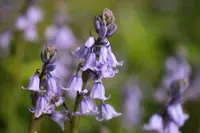
Plectranthus Mona Lavender is a compact, evergreen perennial often grown as a houseplant or seasonal bedding plant. It is valued for its upright habit and long flowering period. The plant forms dense mounds of glossy, dark green leaves with purple undersides, topped by spikes of lavender-purple, tubular flowers that resemble small salvias. It does not occur in the wild, as it is a cultivated hybrid developed for ornamental use. This origin makes it reliable and consistent in performance when basic needs are met. It is considered easy to moderate to grow, responding well to bright light, evenly moist but well-drained soil, and regular deadheading. These traits make it practical for those learning how to care for Plectranthus Mona Lavender.

Main Plant Requirements

Care Difficulty

Easy Care

Light Preference

Partial Shade

Water Requirements

Moderate Water

Temperature Preference

Tropical / Frost Sensitive

Hardiness Zone

10–11

Soil Texture

Loamy, Sandy, Organic-rich

Soil pH

Acidic (5.5–6.5), Slightly acidic (6.5–7.0)

Soil Drainage

Moist but well-drained

Fertilization

Light (every 4–6 weeks)

Get Personalized Care Plan

Scan your plant to receive care tips personalized for your specific plant

Personalized Care in the App

Available on iOS and Android

How to Care for the Spur Flower

This plant prefers bright, gentle light to support dense foliage and flowering.

  • Provide 4–6 hours of bright, indirect light or soft morning sun; eastern exposure or light dappled shade works well for Plectranthus Mona Lavender outdoors.
  • Protect from harsh midday and late-afternoon sun, which can scorch leaves, cause bleaching, and dry the soil too quickly.
  • In summer, give more filtered light; in winter, move closer to a bright window or choose a spot with less overhead shade to compensate for shorter days.

Watering should keep the root zone evenly moist but never waterlogged.

  • Before watering, let the top 2–4 cm of soil dry; check with a finger rather than following a fixed schedule.
  • Use free-draining soil and a pot or bed that sheds excess water quickly to reduce root rot risk, a common problem with overwatering.
  • In warm, active growth, expect faster drying; in cool seasons, drying takes longer, so watch for yellowing, limp leaves as overwatering signals and crisp, drooping leaves as underwatering signs.

Stable mild temperatures support steady growth and flowering.

  • Aim for 65–80°F (18–27°C) for best growth, with the plant staying most comfortable in the mid-70s°F (around 24°C).
  • Protect from cold; growth slows below 55°F (13°C), and tissue damage can occur near 40°F (4°C), so shield from frost and cold winds outdoors.
  • In hot spells above 90°F (32°C), give shade during peak sun and ensure consistent soil moisture to limit heat stress and leaf scorch.

This plant grows well in typical indoor humidity but benefits from slightly moist air.

  • Target 40–60% humidity; it tolerates brief dips lower but prolonged very dry air can reduce leaf size and flowering.
  • Crisping leaf edges, dull foliage, and slowed growth indicate humidity stress, especially near heating or AC vents.
  • Increase humidity with a nearby pebble tray or grouping plants together rather than misting, which raises moisture only briefly.

Use a light, draining mix that stays slightly moist but never waterlogged.

  • A loose, loamy mix with plenty of organic matter suits Plectranthus Mona Lavender, allowing roots to access both air and moisture.
  • Aim for a slightly acidic to neutral pH around 6.0–7.0, avoiding strongly alkaline mixes that can limit nutrient uptake.
  • Combine 2 parts all-purpose potting mix with 1 part perlite or coarse sand to improve drainage and prevent compaction.
  • Avoid heavy clay-based mixes or containers that hold water at the bottom, which promote root rot and stem base decay.

This species is well suited to container growing on patios, balconies, or near bright windows.

  • Choose a pot 2–4 in wider than the rootball to allow bushy lateral spread without creating a large unused wet zone in the mix.
  • Select a stable, heavier container if the plant is grown tall or in breezy spots, to reduce tipping from its dense foliage mass.
  • Use a pot material that matches your watering style, such as terracotta for faster drying or glazed plastic/ceramic to retain moisture longer.

This hybrid benefits from modest, consistent feeding during the active growing season.

  • Use a balanced liquid fertilizer (around 10-10-10 or 20-20-20) diluted to 1/4–1/2 strength for Plectranthus Mona Lavender.
  • Feed every 3–4 weeks in spring and summer when growth and flowering are strongest.
  • Pause or reduce feeding to once in 6–8 weeks in fall and winter, especially indoors.
  • In containers, a light top-dressing of fine compost or a low-dose slow-release fertilizer in spring supports sustained growth.

Pruning helps this plant stay compact, bushy, and free-flowering.

  • In late winter or early spring, trim back leggy stems by 1/3 to shape the mound and stimulate new shoots.
  • Pinch soft growing tips after each flush of flowers to encourage branching and more blooms.
  • Remove dead, damaged, or crossing stems whenever seen to maintain plant health and airflow.
  • Use clean, sharp scissors or hand pruners, disinfected before cutting, to reduce disease risk.

Container-grown plants appreciate occasional repotting to maintain vigor and avoid root binding.

  • Check for roots circling the pot base, pushing through drainage holes, or slowing growth as signs it is time to move Plectranthus Mona Lavender.
  • Plan to repot every 1–2 years in early spring, just before strong new growth begins.
  • Choose a pot 2–5 cm wider with fresh, well-drained mix, and gently loosen circling roots without tearing excessively.
  • Water thoroughly after repotting, then keep in bright, indirect light for 3–5 days to limit transplant shock.

This hybrid is commonly multiplied from stem cuttings taken during warm, bright months.

  • In late spring to summer, take 8–10 cm non-flowering stem cuttings with at least 2–3 nodes from healthy Plectranthus Mona Lavender plants.
  • Remove lower leaves and insert cuttings into moist, free-draining mix; rooting hormone is optional but helpful.
  • Provide bright, indirect light, high humidity, and temperatures around 65–75°F until roots form in 2–4 weeks.
  • Once rooted, pot individually, acclimate to lower humidity, and maintain even moisture to support early growth.

This plant is frost-sensitive and needs protection in regions with cold winters.

  • In USDA zones below 10, grow Plectranthus Mona Lavender in containers so plants can be moved indoors before frost.
  • Bring pots inside when night temperatures approach 40°F and place in bright, indirect light.
  • Reduce watering in winter, keeping soil lightly moist but never saturated to prevent root rot.
  • Outdoors in mild climates, apply a light mulch around the root zone to moderate soil temperature.

Care Tips

Pinch for Bushiness

Regularly pinch back 1–2 cm of soft shoot tips every few weeks during active growth to encourage dense, compact branching and more flower spikes when growing Plectranthus Mona Lavender.

Refresh Woody Plants

If stems become woody and leggy, cut back by 1/3 in late winter or early spring and lightly top-dress with fresh potting mix to stimulate vigorous new basal shoots.

Use Bright Overwintering

In colder regions, move container plants indoors before frost and place them in the brightest, coolest room available (around 55–65°F) to maintain foliage quality and reduce pest pressure over winter.

Monitor Flower Cycle

After the main flowering flush, remove spent flower spikes down to the first strong pair of leaves to conserve energy and encourage a faster return to vegetative growth.

Plan Regular Replanting

Replace or re-root from cuttings every 2–3 years, since older plants naturally lose vigor and become woody, which helps maintain a consistently full and floriferous display.

Common Pests and Diseases

Aphids

These insects cluster on tender new stems and undersides of leaves, sucking sap and causing curling, distortion, and sticky honeydew deposits.

Solution

Rinse stems and foliage with a firm stream of water to knock off colonies, then treat remaining insects with insecticidal soap or a neem oil spray, repeating weekly until no new aphids appear. Encourage lady beetles outdoors and avoid excess nitrogen fertilizer, which promotes the soft growth aphids prefer.

Spider mites

These pests thrive on Plectranthus foliage in warm, dry air, causing tiny pale stippling, dull leaves, and fine webbing between stems and leaves.

Solution

Increase humidity around the plant and rinse both sides of the leaves thoroughly, then apply insecticidal soap or a horticultural oil, making sure to coat leaf undersides. Inspect closely for several weeks and repeat treatments as soon as new speckling or webbing appears.

Mealybugs

These insects appear as white, cottony clusters in leaf axils and along stems, weakening the plant and leading to sticky honeydew and sooty mold growth.

Solution

Isolate the plant, then dab visible mealybugs with cotton swabs dipped in 70% isopropyl alcohol and remove heavily infested stems. Follow with several rounds of insecticidal soap or neem oil and improve light and airflow to reduce reinfestation.

Botrytis blight

This disease causes soft, water-soaked spots on leaves and flowers that turn brown and develop fuzzy gray mold, especially in cool, humid, low-light conditions.

Solution

Remove and discard all affected leaves and spent flowers, then improve air circulation, reduce overhead watering, and keep foliage as dry as possible. In severe or recurring cases, use a labeled fungicide and space plants so leaves do not touch.

Powdery mildew

Symptoms include white, powdery patches on upper leaf surfaces that can cause yellowing, distortion, and reduced flowering when severe.

Solution

Prune out the worst-affected leaves, increase air movement, and avoid crowding plants or wetting foliage late in the day. For ongoing issues, apply a sulfur-based or potassium bicarbonate fungicide labeled for ornamentals, and keep the plant in bright, indirect light to maintain strong growth while caring for Plectranthus Mona Lavender.

Interesting Facts

Hybrid origins

This plant is a modern hybrid developed at Kirstenbosch National Botanical Garden in South Africa, combining traits from Plectranthus saccatus and Plectranthus hilliardiae to create stronger flowering and a more compact form.

Daylength-independent flowering

Unlike many ornamental plants that need short or long days to bloom, this hybrid flowers over a long season under a wide range of daylengths when given adequate light and nutrition.

True lavender look-alike

Although the flowers resemble true lavender in color and general impression, this plant belongs to the Lamiaceae family in a different genus and lacks the strong aromatic oils typical of Lavandula species.

Botan icon

Did you know?

Plectranthus 'Mona Lavender' is not known from the wild at all; it exists only as a cultivated hybrid and does not have a natural native range, which is unusual compared with most popular ornamental species.

FAQs about Spur Flower

Poor flowering usually comes from low light, too much nitrogen fertilizer, or old, unpruned growth. Trim lightly after a flush of flowers, feed with balanced fertilizer, and ensure bright, indirect light to support bud formation.

Grow Healthy Plants with Botan Care

Keep your plants happy and healthy with plant identification, disease detection, and easy care guidance.

Botan plant care app — identify plants on mobile

Explore More Plants