Poison Primrose Care (Primula obconica)

About Poison Primrose

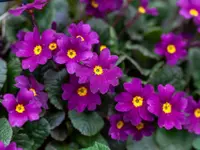
Poison primrose, Primula obconica, is a compact flowering perennial often grown indoors as a short-lived decorative plant. It is valued for its clusters of bright, rounded blooms held above soft, slightly hairy leaves.

This species is native to parts of China, where it grows in cool, moist, partially shaded habitats. In homes, it is usually treated as a seasonal plant because it can be sensitive to heat, dry air, and stress.

Because of its sensitivity and skin-irritating hairs, it is not the easiest plant for beginners, but attentive owners can still care for Poison Primrose successfully. It generally prefers bright, indirect light, consistently moist but not waterlogged soil, and good air circulation.

Main Plant Requirements

Care Difficulty

Moderate Care

Light Preference

Bright Indirect Light

Water Requirements

Keep Soil Moist

Temperature Preference

Cool Climate

Hardiness Zone

9–11

Soil Texture

Loamy, Peaty, Organic-rich

Soil pH

Acidic (5.5–6.5), Slightly acidic (6.5–7.0)

Soil Drainage

Moist but well-drained

Fertilization

Light (every 4–6 weeks)

Get Personalized Care Plan

Scan your plant to receive care tips personalized for your specific plant

Personalized Care in the App

Available on iOS and Android

How to Care for the Poison Primrose

Primula obconica prefers bright, gentle light and is sensitive to strong sun.

  • Provide 2–4 hours of soft morning sun with bright, filtered light the rest of the day, especially in spring and fall.
  • In hot summers, give Poison Primrose dappled shade or an east-facing spot to avoid leaf scorch from intense midday or afternoon sun.
  • If stems stretch or flowering declines, move the plant slightly closer to a brighter window or a lightly shaded, open garden site.

Primula obconica prefers consistently moist but not waterlogged soil.

  • Water when the top 2–3 cm of soil feels slightly dry, aiming for evenly moist soil around the root zone.
  • Use loose, well-draining soil so excess water runs out easily, reducing the risk of root rot and yellowing, mushy leaves.
  • In cooler months reduce watering frequency slightly, watching for limp, drooping leaves as a sign the plant needs moisture.

This species performs best in cool to mild conditions and dislikes temperature extremes.

  • Aim for 55–70°F (13–21°C) for active growth, which supports long-lasting flowers and firm foliage.
  • Protect Primula obconica from frost; growth is damaged below about 32°F (0°C) and plants may die with prolonged freezing.
  • In hot periods above 80°F (27°C), move plants to shaded, airy positions and keep roots cool to reduce heat stress and leaf scorch.

This species prefers moderately moist air and reacts quickly to very dry conditions.

  • Aim for 50–60% humidity to reduce leaf edge browning and extend flowering time in Poison Primrose.
  • In heated rooms, watch for curled, crispy leaf margins and buds drying before opening, which indicate low humidity stress.
  • Increase humidity by placing the pot on a pebble tray with water below the pot base or grouping plants, rather than misting the leaves.

Primula obconica grows best in light, airy, moisture-retentive but fast-draining substrate.

  • Use a peat- or coir-based mix with added compost for organic matter and fine bark or perlite to keep the structure loose.
  • Ensure water drains freely within seconds; heavy clay-based garden soil or potting mixes that stay soggy for hours encourage root rot.
  • A slightly acidic pH around 5.8–6.5 supports nutrient uptake and helps maintain healthy, green foliage.
  • Improve aeration by blending 20–30% perlite or fine bark into standard houseplant mix and avoid compacting the surface when watering.

This species is well suited to container growing for seasonal display.

  • Choose a pot only 2–4 cm wider than the root ball so the mix dries evenly and roots are not sitting in a large mass of wet substrate.
  • Select a stable, heavier container if plants are top-heavy with flowers to prevent tipping when the soil is moist.
  • Use a potting setup that allows excess water to drain into a separate outer cachepot so the inner pot base does not sit in collected water.

Primula obconica benefits from light, consistent feeding during active growth for best foliage and flowering.

  • Use a balanced water-soluble fertilizer (for example 10-10-10) at 1/4–1/2 strength for caring for Poison Primrose.
  • Apply every 2–3 weeks during the main growing and flowering season, on already-moist soil to avoid root burn.
  • Reduce to monthly or stop feeding in late fall and winter when growth slows or plants rest.
  • Avoid heavy compost or strong slow-release fertilizers, which can cause soft, weak growth and salt buildup.

Pruning Primula obconica is mainly about hygiene and extending the flowering period.

  • Best time is during and just after flowering, inspecting plants every 1–2 weeks.
  • Remove spent flower stalks at the base with small clean scissors to encourage new buds.
  • Trim yellow, diseased, or damaged leaves at the crown to improve air flow and reduce fungal problems.
  • Light thinning of crowded rosettes maintains a neat shape and allows inner leaves better light.

Primula obconica grown in pots needs only occasional repotting to refresh soil and manage root crowding.

  • Check for roots circling the pot, pushing through drainage holes, or unexplained slow growth as signs to repot.
  • Plan repotting in early spring before peak flowering, usually every 1–2 years for container-grown plants.
  • Move into a pot only 2–3 cm wider, using fresh, well-drained mix, and keep the crown level with the soil surface.
  • Water thoroughly after repotting, then keep soil lightly moist and out of strong sun for 7–10 days to reduce root stress.

Primula obconica is most often renewed from seed, with division used occasionally in strong clumps.

  • Sow fresh seed in late winter to early spring on the surface of fine, moist seed mix and do not bury deeply.
  • Maintain 60–70°F, bright indirect light, and consistently moist conditions for germination over several weeks.
  • Once seedlings have 2–3 true leaves, prick out carefully into small cells or pots with similar, well-drained mix.
  • Divide mature clumps in early spring, keeping several leaves and healthy roots per division and watering gently afterward.

Primula obconica is not fully frost hardy and benefits from moderate winter protection, especially in cold climates.

  • In regions below about 25°F, grow mainly as a cool-season indoor or greenhouse plant in winter.
  • Move containers indoors before hard frost, placing them in bright, cool rooms around 50–60°F.
  • In mild climates, use a light mulch around outdoor plants to buffer temperature swings and protect the crown.

Care Tips

Rotate For Even Bloom

Turn the pot 90° every 3–4 days during active growth so flower stalks develop evenly and the rosette does not lean toward the light source.

Cool-Night Encouragement

Provide slightly cooler nights (55–60°F) for a few weeks before expected flowering to help extend bloom duration and keep flower stalks sturdy.

Spent Flower Removal

Pinch or cut off fading flower stems as low as possible without injuring the leaves to prevent seed set and redirect energy into new buds.

Glove Use And Placement

Handle the plant with gloves and position it out of reach of pets and small children, as the leaf hairs can irritate skin and are best avoided when caring for Poison Primrose.

Short-Term Display Rotation

Use the plant as a short-term color feature in brighter rooms, then move it back to a cooler, more suitable growing spot after 3–5 days to reduce stress and prolong overall plant performance.

Common Pests and Diseases

Cyclamen mite

This pest attacks young leaves, buds, and flowers, causing distortion, stunting, and a rough, blistered texture on new growth. Symptoms include misshapen rosettes and flowers that fail to open properly.

Solution

Isolate the plant, remove and discard heavily distorted leaves and flowers, and keep humidity on the lower side while improving airflow. Use a miticide labeled for cyclamen mites or insecticidal soap applied thoroughly to leaf undersides and crown, repeating as directed, and discard severely infested plants if recovery is unlikely.

Aphids

These insects cluster on tender stems, buds, and the underside of leaves, sucking sap and causing curling, sticky honeydew, and reduced vigor. Symptoms include deformed new growth and sometimes sooty mold developing on the honeydew deposits.

Solution

Wash the plant under a gentle stream of lukewarm water to remove colonies, then treat remaining insects with insecticidal soap or a neem oil spray, covering all plant surfaces. Repeat treatments every 5–7 days until no aphids are visible and avoid excess nitrogen fertilizer, which encourages soft, aphid-prone growth.

Botrytis blight

This disease thrives in cool, humid conditions and causes soft, water-soaked spots on leaves, flower buds, and petals that quickly develop gray, fuzzy mold. Symptoms include blighted flowers, collapsing leaf tissue, and a general decline in appearance.

Solution

Remove and discard all affected leaves and flowers, including fallen debris around the pot, to reduce spore load. Improve air circulation, avoid wetting foliage, water at soil level, and if needed apply a fungicide labeled for Botrytis, using it alongside stricter hygiene to prevent recurrence while following general Primula obconica care instructions.

Powdery mildew

This disease shows as white to gray powdery patches on upper leaf surfaces and sometimes on flower stalks, leading to yellowing and premature leaf drop. Symptoms include dull, mottled foliage and slowed growth under crowded or poorly ventilated conditions.

Solution

Increase spacing and airflow around the plant and avoid overhead watering, especially in cool conditions. Remove heavily infected leaves and apply a sulfur-based or potassium bicarbonate fungicide labeled for powdery mildew, repeating as needed and keeping the plant in bright, indirect light to promote healthy new growth.

Leaf spot (Cercospora)

This disease produces small, dark, circular to irregular spots on leaves that may enlarge, merge, and cause yellowing and early leaf drop. Symptoms include a speckled, thinning canopy, especially on older leaves in cool, damp conditions.

Solution

Promptly remove and discard spotted leaves and any plant debris from the soil surface, and water at the base to keep foliage dry. Improve air movement, avoid overcrowding, and if spotting continues, use a copper-based or other labeled foliar fungicide, applying according to instructions while monitoring new leaves for fresh lesions.

Interesting Facts

Natural contact allergen

Primula obconica produces primin, a natural compound in its glandular hairs that can cause contact dermatitis in sensitive people. Many modern cultivars have been bred with low-primin or primin-free strains to reduce this reaction risk.

Winter-flowering strategy

In its native range in China, Primula obconica often flowers in the cooler months, taking advantage of reduced competition for pollinators. This seasonal strategy is one reason it became popular as a winter and early-spring flowering pot plant in cultivation.

Strong leaf rosette habit

This species forms a dense basal rosette of softly hairy leaves, which helps shade its own roots and reduce water loss from the soil surface. The rosette structure also supports the upright flower stalks, keeping the blooms above the foliage for easier pollinator access.

Botan icon

Did you know?

Primula obconica was once so notorious for causing skin irritation among greenhouse workers and florists that it earned the nickname poison primrose in horticulture, which led directly to targeted breeding programs aimed at eliminating its primin content in commercial varieties.

FAQs about Poison Primrose

Lack of flowers usually comes from old, exhausted plants, too-warm temperatures, or previous drought stress. Replace very old specimens, keep conditions cool and evenly moist, and remove spent flower stems to direct energy into forming new buds.

Grow Healthy Plants with Botan Care

Keep your plants happy and healthy with plant identification, disease detection, and easy care guidance.

Botan plant care app — identify plants on mobile

Explore More Plants