


Encourage Compact Growth
Pinch back soft stem tips by 1–2 nodes after each main flush of flowers to keep the plant dense, prevent leggy vines, and stimulate more branching for future blooms.

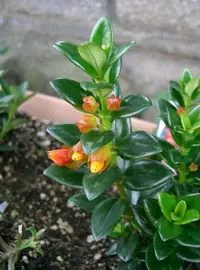
The goldfish plant, Nematanthus gregarius, is a compact, trailing houseplant from tropical forests in Brazil. It is part of the African violet family and often grown in hanging baskets. Its glossy green leaves and tubular orange flowers resemble tiny goldfish, giving the plant a distinctive ornamental look. Stems can arch or cascade, creating a dense, lush display. This species tends to be long-lived when its needs are met and is considered moderately easy to grow. It prefers bright, indirect light, even moisture without waterlogging, and a light, well-drained potting mix. Understanding how to care for Goldfish Plant helps it flower reliably indoors.

Care Difficulty
Moderate Care

Light Preference
Bright Indirect Light

Water Requirements
Moderate Water

Temperature Preference
Tropical / Frost Sensitive

Hardiness Zone
11–12

Soil Texture
Loamy, Peaty, Organic-rich

Soil pH
Acidic (5.5–6.5), Slightly acidic (6.5–7.0)

Soil Drainage
Moist but well-drained

Fertilization
Light (every 4–6 weeks)
Scan your plant to receive care tips personalized for your specific plant
Available on iOS and Android
This plant prefers bright, indirect light and gentle sun exposure to flower well without leaf damage.
This species needs evenly moist but not saturated soil, with short dry periods between waterings.
Stable, warm conditions support consistent growth and flowering for Nematanthus gregarius.
This species prefers moderate to moderately high humidity and reacts if air is very dry.
Nematanthus gregarius needs a light, airy mix that drains quickly yet retains some moisture.
This species is very suitable for container growing, especially hanging baskets and planters.
Nematanthus gregarius responds well to modest, consistent feeding during its active growing season.
Thoughtful pruning keeps Nematanthus gregarius compact, branching well, and flowering on younger growth.
This species prefers slightly snug pots, so repot only when clear signs show the plant has outgrown its container.
New plants are most often produced from soft stem cuttings taken from healthy Nematanthus gregarius.
This tropical houseplant is frost-sensitive and must be kept above freezing in winter conditions.

Plant Health Check
Not sure what's wrong with your plant? Check your plant's health inside the app.
This species is native to the Atlantic Forest region of Brazil, where it often grows as an epiphyte on rocky outcrops and tree trunks rather than rooted in deep soil.
Its tubular orange flowers resemble small fish and are thought to attract hummingbirds, which serve as primary pollinators in its native habitat.
The plant has small, thick, waxy leaves that store water and reduce evaporation, an adaptation that helps it cope with intermittent moisture on exposed rocks and tree branches.

Nematanthus gregarius naturally forms dense, trailing mats that can drape over cliffs and tree branches, providing microhabitats and shelter for small invertebrates and helping stabilize organic debris in the Atlantic Forest understory.
Poor flowering usually comes from insufficient light, heavy pruning at the wrong time, or low nutrients. Provide bright, indirect light, use a balanced fertilizer during active growth, and avoid cutting stem tips just before the main blooming period.
Keep your plants happy and healthy with plant identification, disease detection, and easy care guidance.

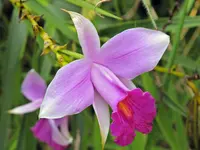
bamboo orchid
Arundina graminifolia
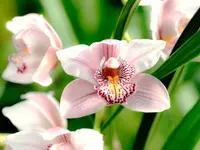
Four-Season Orchid
Cymbidium ensifolium
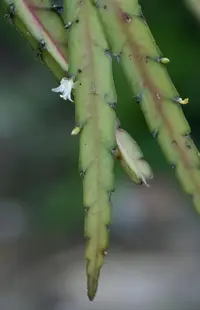
Hurricane Cactus
Lepismium cruciforme
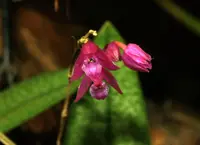
Domingoa purpurea
Domingoa purpurea
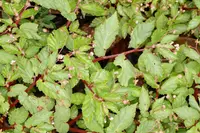
Begonia semiovata
Begonia semiovata
 POPULAR
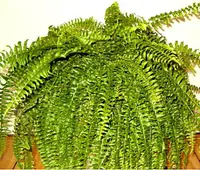
Southern Sword Fern
Nephrolepis exaltata
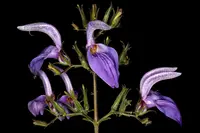
Brillantaisia cicatricosa
Brillantaisia cicatricosa
 POPULAR
Coconut orchid
Maxillaria tenuifolia