Japanese Stone Orchid Care (Dendrobium moniliforme)

About Japanese Stone Orchid

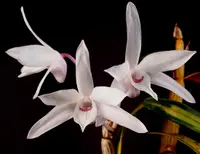
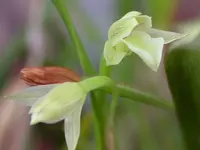
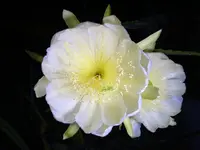
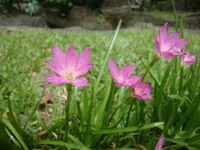
Dendrobium moniliforme is a compact, epiphytic orchid that often grows on trees or rocks, forming clumps of slender, cane-like stems. It produces small, delicate flowers along these stems, usually in soft shades of white, cream, or pale pink, sometimes with faint fragrance.

This species is native to East Asia, especially Japan, Korea, and parts of China, where it experiences distinct seasonal changes. Its preference for bright light, good air movement, and a marked dry rest makes it slightly more demanding than basic houseplants.

With stable indoor conditions and attention to its rest period, it is possible to care for Dendrobium moniliforme successfully even in a small collection.

Main Plant Requirements

Care Difficulty

Moderate Care

Light Preference

Partial Shade

Water Requirements

Moderate Water

Temperature Preference

Cool Climate

Hardiness Zone

8–10

Soil Texture

Rocky, Peaty, Organic-rich

Soil pH

Acidic (5.5–6.5)

Soil Drainage

Well-drained

Fertilization

Light (every 4–6 weeks)

Get Personalized Care Plan

Scan your plant to receive care tips personalized for your specific plant

Personalized Care in the App

Available on iOS and Android

How to Care for the Japanese Stone Orchid

This orchid prefers bright conditions that mimic dappled woodland light.

  • Provide 4–6 hours of bright, indirect light daily; gentle morning sun is ideal, with filtered or shaded light from late morning onward.
  • Outdoors, give Dendrobium moniliforme a spot with high, broken shade under trees or 30–50% shade cloth to avoid harsh midday sun.
  • Watch leaves: pale yellow with scorched patches suggests too much sun, while dark, soft foliage and weak flowering indicate insufficient light.

Watering should balance consistent moisture with good air around the roots.

  • Allow the top 2–3 cm of medium to dry before watering; roots should look silvery, then turn green after watering as a practical indicator.
  • In active growth (spring–summer), water thoroughly, then let excess drain; reduce frequency in autumn and keep almost dry in the coolest part of winter rest.
  • Signs of overwatering include black, mushy roots and a sour smell, while wrinkled canes and very light pots indicate underwatering in Dendrobium moniliforme.

This species prefers cool to intermediate temperatures with a noticeable day–night drop.

  • Aim for 60–75°F (16–24°C) by day and 50–60°F (10–16°C) at night during active growth for steady root and cane development.
  • Short periods down to about 40°F (4°C) can be tolerated if dry, but repeated exposure or frost will damage new growth and buds.
  • In summer, protect from heat above 85°F (29°C) with shade and strong air movement, and in winter give a cooler, drier rest around 45–55°F (7–13°C) if growth is mature.

This orchid benefits from moderate to high, stable humidity around its roots and leaves.

  • Aim for 50–70% humidity; it copes briefly with 40% but prolonged dry air slows growth and shrivels canes.
  • Crisp leaf tips, wrinkled pseudobulbs, and stalled buds indicate humidity stress rather than underwatering alone.
  • Increase humidity with a pebble tray under the pot, grouping plants, or a small room humidifier near Dendrobium moniliforme.

This species grows best in a very airy, fast-draining orchid medium rather than regular potting soil.

  • Use a loose mix of medium-grade fir bark or orchid bark with 10–20% perlite and a small amount of sphagnum moss for moisture balance.
  • Ensure rapid drainage; water should flush through in seconds, leaving the mix moist but never waterlogged around the roots.
  • Maintain slightly acidic conditions, roughly pH 5.5–6.5, which supports nutrient uptake and healthy root growth.
  • Improve aeration by using larger bark pieces and a slotted or net orchid pot to keep the root zone well ventilated and to prevent rot.

This compact orchid is very suitable for container growing.

  • Choose a snug, shallow orchid pot that confines the roots slightly, which supports firm anchoring and reliable flowering.
  • Use pots with side slits or mesh walls to increase air movement around the roots while still holding the bark mix in place.
  • Opt for heavier clay or ceramic containers if the plant becomes top-heavy, to prevent tipping when canes lengthen.

Light, consistent feeding supports compact growth and flowering in Dendrobium moniliforme.

  • Use a balanced orchid fertilizer (around 20-20-20) diluted to 1/4–1/2 strength in low-mineral water.
  • Feed every 2–3 weeks during active growth in spring and summer, on already moist media.
  • Reduce to monthly or stop feeding in autumn and winter as growth slows or plants rest.
  • Avoid slow-release pellets in bark; instead, flush the pot with plain water monthly to prevent salt buildup.

Pruning is minimal and focused on hygiene and maintaining a tidy outline.

  • In late winter or after flowering, remove spent flower spikes at their base with clean, sharp scissors.
  • Cut away dead, shriveled, or blackened canes only; leave firm leafless canes, which can still store energy.
  • Thin very crowded clumps by removing a few older canes to slightly improve light and air flow.
  • Disinfect tools before and between plants to lower the risk of transmitting fungal or bacterial problems.

This orchid prefers snug conditions, so repotting is infrequent and should be gentle.

  • Repot every 2–3 years or when roots circle tightly, medium breaks down, or drainage slows.
  • Plan repotting for late winter to early spring, just as new roots and shoots start to appear.
  • Use a small pot with free-draining fine to medium orchid bark and minimal sphagnum around new roots.
  • Handle roots carefully, remove only rotten tissue, and keep the plant slightly shaded and evenly moist for 1–2 weeks afterward.

Division is the most practical method for expanding a collection of Dendrobium moniliforme.

  • Divide mature clumps in late winter or early spring when new growth and roots begin.
  • Lift the plant, gently tease apart the root mass, and create divisions with at least 3–4 healthy canes each.
  • Plant divisions in small orchid pots with fine bark, keeping new roots just inside the medium surface.
  • Maintain bright, indirect light, high humidity (50–70%), and slightly reduced watering until new roots establish.

Cool, relatively dry winter conditions support strong flowering the following season.

  • This species dislikes frost; keep plants above 40–45°F, ideally 50–60°F in winter.
  • For container plants outdoors, move under cover or indoors before the first freeze is forecast.
  • In winter, give bright light, slightly cooler nights, and reduce watering so the medium dries more between waterings.
  • Avoid heavy feeding or repotting in mid-winter to prevent stress during the rest phase typical of Dendrobium moniliforme care.

Care Tips

Seasonal Rest Setup

After flowering, gradually reduce watering and keep the plant slightly cooler and brighter for 6–8 weeks to encourage a proper rest period that triggers the next bloom cycle.


Mounting On Slabs

Mount the plant on cork or hardwood slabs with a thin layer of sphagnum around the roots if you can provide daily misting, which improves air flow, speeds drying, and closely mimics its natural epiphytic growth habit.

Targeted Air Movement

Place a small oscillating fan on a low setting near the plant to keep air gently moving around the canes, reducing fungal issues and helping roots dry reliably between waterings.

Bloom Spike Support

Use thin, unobtrusive orchid stakes and soft clips to support long or arching flower spikes, positioning the stakes early so they guide the stems without cracking or bruising them.

Division Timing

Only divide clumps in late winter or very early spring when several new root tips are just emerging, and keep at least 4–6 healthy canes per division to maintain vigor when growing Dendrobium moniliforme.

Common Pests and Diseases

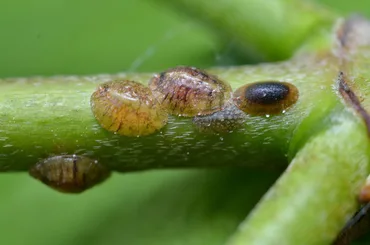
Scale insects

These insects feed on plant sap, often clustering on canes and leaf bases and excreting sticky honeydew that can lead to sooty mold. Symptoms include yellowing leaves, weakened growth, and a rough, shell-like coating on stems.

Solution

Isolate the plant, then gently wipe canes and leaves with cotton pads dipped in 70% isopropyl alcohol to remove adults and nymphs, repeating weekly until no new insects appear. Improve air circulation, avoid excess nitrogen fertilization, and use a horticultural oil labeled for orchids if the infestation is heavy, taking care to spray in the early morning and keep the plant out of strong sun until dry.

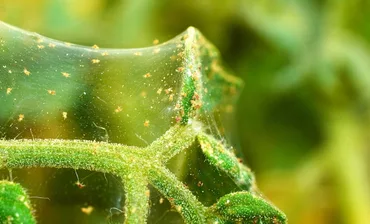
Spider mites

These pests thrive on Dendrobium canes in warm, dry air and cause fine stippling, dull leaf surfaces, and eventually bronzing or leaf drop. Fine webbing may appear between leaves and along canes, especially during dry indoor heating periods.

Solution

Increase humidity to 50–60%, rinse foliage and canes thoroughly under a strong but gentle stream of water, and wipe with a soft cloth to remove mites and webbing. For persistent infestations, apply an insecticidal soap or miticide safe for orchids, repeating at 5–7 day intervals while monitoring closely as part of Dendrobium moniliforme care instructions.

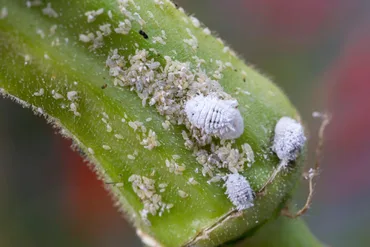
Mealybugs

These insects appear as white, cottony clusters in leaf axils, on roots, and around pseudobulb sheaths, where they suck sap and weaken the plant. Symptoms include distorted new growth, sticky honeydew, and slowed or stunted flowering.

Solution

Remove visible insects manually with cotton swabs dipped in 70% isopropyl alcohol, paying special attention to leaf bases and between canes. Repot to inspect roots if infestation is heavy, discard old medium, and apply an insecticidal soap or systemic product labeled for orchids, repeating treatments as needed while monitoring new growth for re‑infestation.

Bacterial soft rot

This disease causes water-soaked, rapidly spreading translucent patches on leaves or canes that turn brown, collapse, and produce a foul odor. Symptoms include sudden tissue collapse at the base of canes or near old sheaths, often following water sitting on the plant in warm conditions.

Solution

Immediately remove and discard all affected tissue with sterilized tools, cutting well into healthy tissue, then dust cuts with cinnamon or a bactericidal product safe for orchids. Keep foliage dry, improve air movement, reduce watering splash, and avoid overhead watering in warm, humid conditions to limit spread.

Fungal leaf spots

This disease produces small, dark, sometimes sunken spots on leaves that may enlarge and merge, especially under cool, humid, and poorly ventilated conditions. Symptoms include yellow halos around spots and premature leaf drop on older canes.

Solution

Cut off heavily spotted leaves or canes with sterilized tools and dispose of them, then increase air circulation and space plants to dry faster after watering. Water in the morning, keep water off leaves when possible, and apply a fungicide labeled for ornamental orchids if new spots continue to appear despite improved culture.

Interesting Facts

Miniature mountain epiphyte

This species is naturally found on trunks and branches of trees in cool to mild mountain forests of Japan, Korea, and parts of China, where it endures noticeable temperature drops between day and night.

Fragrant spring blooms

The plant produces small, fragrant white to pale pink flowers in late winter to spring, often before new roots extend, and the blossoms are typically carried along the sides and tips of mature, bead-like stems.

Bead-like cane structure

Its slender canes are segmented like a string of small beads, an adaptation that helps store water and nutrients and gives the plant its characteristic moniliforme (necklace-like) appearance.

Botan icon

Did you know?

In Japan this orchid has been cultivated for centuries under the name fuukiran, and highly prized forms with distinctive leaf variegation or unusual growth shapes have been collected and selectively bred since at least the Edo period, sometimes commanding very high prices among specialists.

FAQs about Japanese Stone Orchid

This species usually flowers in late winter to spring, after a cooler, drier rest period. Mature, well-grown plants can produce one main flush per year, though some may give a lighter secondary flush under very stable conditions.

Grow Healthy Plants with Botan Care

Keep your plants happy and healthy with plant identification, disease detection, and easy care guidance.

Botan plant care app — identify plants on mobile

Explore More Plants