Encourage Compact Rosettes
Rotate the pot 90° every 1–2 weeks so light reaches all sides evenly, which keeps the rosettes low, dense, and prevents lopsided stretching as they mature.

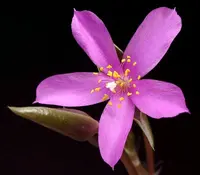
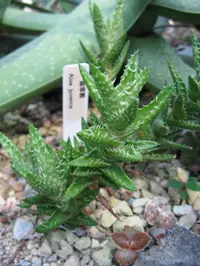
Sand rose, Anacampseros rufescens, is a small, slow-growing succulent valued for its compact rosettes and colorful foliage. Leaves are fleshy, overlapping, and often shift from green to purple or pink tones under bright light.
This species naturally occurs in arid regions of South Africa, where it has adapted to strong sun and limited rainfall. It stays low and can form small clumps over time, making it suitable for containers and mixed succulent bowls.
Its drought tolerance and modest growth rate make it relatively easy to care for Sand Rose if overwatering is avoided. It generally prefers bright light, infrequent watering, and a very well-drained, gritty soil mix.

Care Difficulty
Easy Care

Light Preference
Full Sun

Water Requirements
Low Water

Temperature Preference
Tropical / Frost Sensitive

Hardiness Zone
10–11

Soil Texture
Sandy, Loamy, Rocky

Soil pH
Slightly acidic (6.5–7.0), Neutral (7.0)

Soil Drainage
Well-drained

Fertilization
Minimal (feed rarely)
Scan your plant to receive care tips personalized for your specific plant
Available on iOS and Android
This compact succulent needs bright light to maintain its compact form and rich color.
This drought-tolerant succulent prefers thorough but infrequent watering.
This species favors warm, dry conditions with protection from frost and extreme heat.
This succulent handles typical indoor humidity well and rarely needs special adjustment.
Use a very fast-draining, mineral-rich mix to prevent root rot in this compact succulent.
This species is very suitable for container growing due to its compact, shallow root system.
This compact succulent needs modest feeding to support steady growth without stretching.
Pruning needs for Anacampseros rufescens are minimal and mostly cosmetic.
This small succulent grows slowly and prefers infrequent disturbance when repotted.
New plants are commonly produced from offsets, leaf cuttings, or seeds.
This succulent is frost sensitive and needs protection from freezing conditions.

Plant Health Check
Not sure what's wrong with your plant? Check your plant's health inside the app.
This species develops deep purple or bronze tones on its leaves when exposed to high light, while the same leaves remain greener in lower light, due to varying concentrations of protective pigments called anthocyanins.
Its small, pale pink flowers open in the afternoon on sunny days and close again by evening, a daily movement controlled by light and temperature, known as nyctinasty.
The plant naturally forms dense rosettes that slowly create a mat of many small offsets, which helps stabilize shallow, gritty soils in its native South African habitat.

In its native range in South Africa, this species often grows in rock crevices and among stones, where its compact rosettes and shallow roots allow it to exploit brief periods of moisture that accumulate in tiny pockets of soil between rocks.
Brown tips or edges usually come from irregular watering, salt buildup from fertilizer, or very low humidity combined with strong sun. Flush the soil occasionally, water more evenly, and protect from harsh midday sun to prevent further damage.
Keep your plants happy and healthy with plant identification, disease detection, and easy care guidance.