Control Mat Thickness
Periodically lift and thin dense patches so light and air reach the lower stems, which reduces rot and keeps the carpet growth even across the surface.

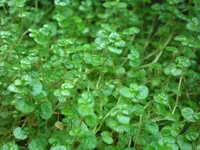
Baby's tears, Soleirolia soleirolii, is a low-growing perennial often used as a groundcover or trailing houseplant. It forms dense, cushion-like mats of tiny round leaves on fine, creeping stems.
In the wild, it comes from shaded, moist habitats around the western Mediterranean. Its fast spreading habit makes it useful for softening the edges of pots, terrariums, and mixed planters.
This plant prefers consistent moisture, gentle light, and well-drained but evenly damp soil. Once you understand how to care for Baby's Tears, it is manageable but not fully beginner-proof because it dislikes drying out or harsh conditions.

Care Difficulty
Moderate Care

Light Preference
Partial Shade

Water Requirements
Keep Soil Moist

Temperature Preference
Cool Climate

Hardiness Zone
9–11

Soil Texture
Loamy, Peaty, Organic-rich

Soil pH
Acidic (5.5–6.5), Slightly acidic (6.5–7.0)

Soil Drainage
Moist but well-drained

Fertilization
Light (every 4–6 weeks)
Scan your plant to receive care tips personalized for your specific plant
Available on iOS and Android
This mat-forming plant prefers soft, indirect light and scorches easily in strong sun.
This species needs consistently moist, but not waterlogged, soil to maintain its dense, carpet-like growth.
This plant prefers mild, stable temperatures and reacts badly to frost or intense heat.
This species needs consistently high humidity to keep its fine foliage dense and green.
This shallow-rooted plant prefers a consistently moist, light, and airy substrate.
This mat-forming species is well suited to container growing.
This plant benefits from light, consistent feeding during active growth but is sensitive to excess salts.
Light pruning keeps Soleirolia soleirolii dense, tidy, and within bounds.
This shallow-rooted groundcover prefers gentle repotting or transplanting with minimal disturbance.
This species is commonly propagated by division and stem pieces that root along the nodes.
This plant is frost-sensitive and needs protection in regions with cold winters.

Plant Health Check
Not sure what's wrong with your plant? Check your plant's health inside the app.
This species spreads by extremely fine, creeping stems that root at the nodes, forming dense, cushion-like mats only a few cm tall but often covering large areas of soil or rock surfaces.
In its native central Mediterranean range, it naturally occupies damp, shaded microhabitats such as rock crevices, walls, and moist ground near water, which explains its strong preference for consistently high humidity and evenly moist substrates in cultivation.
Each leaf is only a few millimeters across, but the foliage canopy creates a complex microclimate over the soil surface that reduces evaporation and helps stabilize moisture, which is one reason growing Baby's Tears in shallow, wide containers works well.

This plant was once commonly placed in its own monotypic genus, Soleirolia, but molecular and morphological studies have shown it belongs in the nettle family (Urticaceae), making it a close relative of stinging nettle despite its delicate appearance.
This species grows moderately fast, forming a dense mat within a few months under stable conditions. Growth speed improves with consistent moisture, mild temperatures, and regular light pruning that encourages new side shoots rather than long stringy stems.
Keep your plants happy and healthy with plant identification, disease detection, and easy care guidance.