Prayer Pepper Care (Peperomia dolabriformis)

About Prayer Pepper

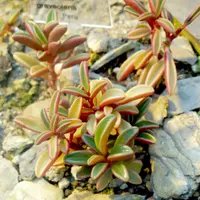
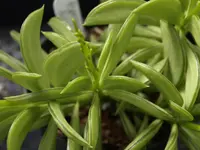
Prayer pepper, Peperomia dolabriformis, is a compact succulent-like houseplant grown mainly for its unusual folded, canoe-shaped leaves. The foliage forms small upright clumps that stay tidy and slow-growing, making it suitable for desks, shelves, and windowsills.

This species is native to higher elevations in Peru and nearby regions, where it grows in bright but filtered light and relatively cool, stable conditions. Its thick, water-storing leaves and modest root system make it forgiving of short dry spells but sensitive to heavy, soggy soil.

Because of its small size and moderate needs, many plant owners find it easy to care for Prayer Pepper in typical indoor conditions with bright indirect light and a well-drained mix.

Main Plant Requirements

Care Difficulty

Easy Care

Light Preference

Bright Indirect Light

Water Requirements

Moderate Water

Temperature Preference

Tropical / Frost Sensitive

Hardiness Zone

11–12

Soil Texture

Sandy, Loamy, Organic-rich

Soil pH

Acidic (5.5–6.5), Slightly acidic (6.5–7.0)

Soil Drainage

Well-drained

Fertilization

Light (every 4–6 weeks)

Get Personalized Care Plan

Scan your plant to receive care tips personalized for your specific plant

Personalized Care in the App

Available on iOS and Android

How to Care for the Prayer Pepper

Peperomia dolabriformis prefers bright, indirect light with some gentle direct sun.

  • Provide 6–8 hours of bright, filtered light daily, such as near an east or lightly shaded south window, to support compact growth.
  • Tolerates partial shade, but in low light stems stretch and leaf color fades; move it gradually closer to a brighter spot if growth becomes leggy.
  • Protect from intense midday or afternoon sun, which can scorch leaves; in summer, use sheer curtains or place slightly farther from west-facing windows.

This succulent-leaved species stores moisture and needs careful, infrequent watering.

  • Allow the top 2–4 cm of soil to dry before watering, then water thoroughly so excess drains away, avoiding any standing water around roots.
  • Reduce watering in fall and winter when growth slows; in summer, check soil more often but still wait for dryness in the top layer before watering again.
  • Watch for mushy, yellowing leaves as a sign of overwatering and shriveled, curling leaves as a sign the plant has stayed dry too long.

This plant prefers stable, warm conditions without temperature extremes.

  • Aim for 65–80°F (18–27°C) for steady growth; brief drops to 60°F (16°C) are usually tolerated but not ideal long term.
  • Keep it away from cold drafts, frequently opened exterior doors, and unheated rooms where temperatures may fall near 50°F (10°C).
  • Protect from frost, which damages foliage, and from prolonged heat above 85°F (29°C); in hot periods, increase airflow and shade from harsh sun to reduce stress.

This species handles average home humidity but benefits from slightly moist air.

  • Aim for 40–60% humidity, which suits the succulent-like leaves of Prayer Pepper.
  • Brown, crisp leaf tips or slow growth can indicate air that is too dry for extended periods.
  • Increase humidity locally with a nearby pebble tray or grouped plants rather than misting heavily.

Peperomia dolabriformis prefers a loose, airy mix that drains quickly but retains slight moisture.

  • Use a blend such as 50% peat- or coco-based potting mix with 30% perlite and 20% fine bark for structure and air spaces.
  • Ensure the mix drains freely within a few seconds of watering; water should not pool on the surface or in the saucer.
  • Keep pH slightly acidic to neutral (about 6.0–7.0), which suits most peat- or coco-based mixes without extra adjustment.
  • Avoid dense garden soil, heavy clay, or pure compost, which compress, reduce aeration, and increase root-rot risk.

This compact species is well suited to container growing.

  • Choose a shallow, wide pot to match its relatively fine root system and keep excess wet substrate to a minimum.
  • Select a pot material that matches your watering style; porous terracotta dries faster than plastic and reduces waterlogging risk.
  • Elevate the pot slightly on feet or pot risers so drainage holes stay clear and excess water escapes quickly after watering.

Peperomia dolabriformis is a light feeder that benefits from modest, diluted nutrition during active growth.

  • Use a balanced liquid fertilizer (such as 10-10-10 or 20-20-20) diluted to 1/4–1/2 strength for Prayer Pepper.
  • Feed every 4–6 weeks in spring and summer when growth is strongest.
  • Do not apply fertilizer in late fall and winter when growth slows.
  • Avoid heavy compost or strong slow-release pellets that can oversalt the small root system.

Peperomia dolabriformis needs only light pruning to maintain a compact, tidy form.

  • Best time for pruning is in late spring or early summer when the plant is actively growing.
  • Use clean, sharp scissors or small pruning shears to avoid crushing stems.
  • Remove dead, damaged, leggy, or crowded stems back to a node to encourage branching.
  • Pinch soft tips occasionally to keep the plant bushier and prevent excessive stretching toward light.

This compact plant prefers slightly snug pots and only needs repotting occasionally.

  • Repot every 2–3 years, or when roots circle the pot base, drainage slows, or growth stalls despite good care.
  • Choose spring as the main time to move Peperomia dolabriformis into a pot 2–3 cm wider with fresh, airy mix.
  • Use a well-draining succulent or peat-free houseplant mix, handling roots gently to limit damage.
  • Water lightly after repotting, keep in bright indirect light, and avoid fertilizing for 3–4 weeks to reduce stress.

New plants are most often produced from stem cuttings taken during the warm growing season.

  • Take 5–8 cm stem cuttings with several leaves in late spring or summer for best rooting.
  • Allow cut ends to dry for a few hours, then place in a very well-draining, slightly moist mix.
  • Maintain bright, indirect light, 70–80°F warmth, and moderate humidity for rooting success.
  • Optional use of rooting hormone at the cut surface can speed root formation and improve Peperomia dolabriformis care outcomes.

This tender tropical houseplant has poor frost tolerance and needs stable indoor conditions in winter.

  • Keep temperatures around 65–75°F and avoid drafts from windows, doors, or heating vents.
  • If outdoors in summer, move containers indoors before temperatures drop below 55°F.
  • Water less often, allowing the top 2–3 cm of soil to dry, as winter growth slows.
  • Provide bright, indirect light and avoid sudden changes in temperature or light levels.

Care Tips

Rotate For Symmetry

Turn the pot 90° every 1–2 weeks so new leaves develop evenly and the plant keeps a compact, upright form instead of leaning toward the light source.

Use Shallow Containers

Choose a wide, shallow pot rather than a deep one to match the plant’s fibrous, shallow root system and reduce the risk of waterlogged lower soil layers.

Support Leggy Stems

If older stems elongate and flop, insert a small hoop or discreet stake and loosely tie stems with soft plant ties to prevent breakage while still allowing air circulation.

Refresh Top Layer

Once or twice a year, scrape off the top 1–2 cm of tired or crusted mix and replace it with fresh, airy substrate to improve gas exchange around the roots without disturbing the whole root ball.

Inspect Leaf Folds

During routine checks when caring for Prayer Pepper, gently open a few leaf folds and inspect for mealybugs or scale, since these sheltered areas can hide early pest infestations.

Common Pests and Diseases

Mealybugs

This pest commonly hides in leaf folds and along stems, feeding on sap and causing stunted growth and distorted, yellowing leaves.

Solution

Remove visible insects with a cotton swab dipped in 70% isopropyl alcohol, then rinse the plant under a gentle lukewarm shower and repeat weekly until no new pests appear; in heavier infestations, apply a neem oil or insecticidal soap spray labeled for indoor succulents, ensuring good coverage of leaf undersides and tight crevices.

Spider mites

These insects thrive in warm, dry indoor air and cause fine stippling on the thick leaf surfaces, sometimes accompanied by delicate webbing between leaves and stems.

Solution

Increase humidity around the plant, thoroughly rinse foliage under a strong but safe stream of water, and follow with repeated applications of insecticidal soap or horticultural oil every 5–7 days, paying extra attention to the undersides and edges of the folded leaves where mites collect.

Fungus gnats

This pest is attracted to consistently moist, organic potting mixes and the larvae feed on fine roots, which can weaken compact plants in small pots.

Solution

Allow the top 2–3 cm of soil to dry between waterings, use yellow sticky traps to catch adults, and, if needed, apply a biological control such as Bacillus thuringiensis israelensis (Bti) or a beneficial nematode drench to target larvae in the potting mix.

Edema

This disorder appears when roots absorb more water than the thick, succulent leaves can use, leading to corky, blister-like spots or rough patches on foliage.

Solution

Reduce watering frequency so the soil dries partially between waterings, use a very well-draining, gritty mix intended for succulents, and keep the plant in bright light with stable temperatures to support balanced water use and healthier Peperomia dolabriformis plant care.

Interesting Facts

Boat-shaped leaf design

The leaves are thick and folded like tiny green boats, with a translucent windowed upper surface that lets light reach inner tissues while reducing water loss, an adaptation to its bright but often dry native habitats in the Andes of Peru and Ecuador.

Natural cliff-dweller

In the wild it often grows on rocky outcrops and cliff faces rather than forest soil, anchoring its roots in crevices where organic debris collects, which explains its preference for airy, fast-draining substrates in cultivation.

Crassulacean acid metabolism

This species uses crassulacean acid metabolism (CAM), a photosynthetic pathway where stomata open mainly at night to take in COâ‚‚, helping the plant conserve water in its seasonally dry environment and supporting efficient Peperomia dolabriformis care in indoor conditions with moderate watering.

FAQs about Prayer Pepper

Brown tips or edges usually come from dry air, underwatering, or fertilizer salt buildup. Check soil moisture, reduce direct drafts or heater vents, flush the pot to remove excess salts, and trim only fully dead tissue.

Grow Healthy Plants with Botan Care

Keep your plants happy and healthy with plant identification, disease detection, and easy care guidance.

Botan plant care app — identify plants on mobile

Explore More Plants