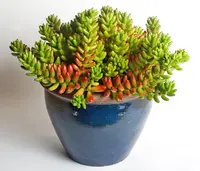
Bristle Haworthia Care (Haworthia cooperi)

About Bristle Haworthia

Haworthia cooperi is a small, slow-growing succulent from South Africa, often grown as a compact windowsill or desk plant. It forms tight rosettes of fleshy, translucent-tipped leaves that can look almost glassy when well grown.

In its natural habitat, it often grows partly shaded by rocks or grasses, which protects it from harsh sun and drought. These adaptations make it a forgiving houseplant that tolerates some neglect, as long as excess water is avoided. For those learning how to care for Haworthia cooperi, it generally prefers bright, indirect light, infrequent watering, and a very free-draining, gritty soil mix.

Main Plant Requirements

Care Difficulty

Easy Care

Light Preference

Bright Indirect Light

Water Requirements

Low Water

Temperature Preference

Tropical / Frost Sensitive

Hardiness Zone

10–11

Soil Texture

Sandy, Loamy, Rocky

Soil pH

Acidic (5.5–6.5), Slightly acidic (6.5–7.0)

Soil Drainage

Well-drained

Fertilization

Minimal (feed rarely)

Get Personalized Care Plan

Scan your plant to receive care tips personalized for your specific plant

Personalized Care in the App

Available on iOS and Android

How to Care for the Bristle Haworthia

This compact succulent prefers bright, gentle light rather than intense, direct sun.

  • Provide 4–6 hours of bright, indirect light daily, such as an east-facing window or lightly shaded greenhouse bench for Haworthia cooperi.
  • Tolerates partial shade, especially in hot climates; protect from strong midday and afternoon sun that can cause leaf scorch, bleaching, or hard shriveling.
  • In summer, use sheer curtains or place under 30–40% shade cloth; in winter, move closer to the brightest window or supplement with a grow light if stretching occurs.

Watering should mimic brief rainfall followed by dry periods in a fast-draining mix.

  • Water only when the top 2–4 cm of soil are dry, using enough water to moisten the entire root zone, then let excess drain away completely.
  • Reduce watering in winter to light sips every few weeks if growth slows; in active spring–summer growth, expect somewhat more frequent watering, guided by soil dryness.
  • Watch for signs: mushy, translucent leaves and a sour smell indicate overwatering, while soft, wrinkled leaves with dry soil point to underwatering or root issues in Haworthia cooperi.

This species prefers moderate, stable temperatures without frost or extreme heat spikes.

  • Ideal growth occurs around 65–80°F (18–27°C), with slightly cooler nights helping maintain compact rosettes and healthy leaf color.
  • Avoid temperatures below 40°F (4°C); brief dips to 35–40°F (2–4°C) may be survived if soil is dry, but frost can permanently damage the translucent leaf tips.
  • In hot weather above 90°F (32°C), provide shade, good air movement, and avoid watering during peak heat to reduce heat stress and root rot risk.

This species stays healthiest in relatively dry indoor air with low to moderate humidity.

  • Aim for 30–50% humidity, similar to most heated or air-conditioned homes.
  • Plants tolerate very dry air but suffer if kept in constantly damp, stagnant rooms.
  • Humidity stress shows as mushy, translucent leaves; increase airflow instead of misting to prevent this.

This succulent needs a sharply draining, mineral-based substrate to avoid root rot.

  • Use a gritty, sandy mix such as 50–70% inorganic material (pumice, coarse perlite, or grit) with the rest cactus potting mix.
  • Target slightly acidic to neutral pH around 6.0–7.0, which suits Haworthia cooperi and most other succulents.
  • Improve aeration by using large particle sizes (2–5 mm) and avoiding fine peat that compacts when dry.
  • Avoid dense, moisture-retentive garden soil or mixes with high compost content, which hold water around the roots.

This species is very suitable for container growing due to its compact, shallow root system.

  • Choose a shallow, wide pot so the fibrous roots spread horizontally without sitting in a deep column of wet mix.
  • Use a pot with large, unobstructed drainage holes so water exits within seconds of watering.
  • Terracotta pots help excess moisture evaporate more quickly in cool or low-light settings, reducing rot risk.

This compact succulent has low nutrient needs, so light, infrequent feeding is enough for Haworthia cooperi.

  • Use a balanced liquid fertilizer (such as 10-10-10 or 20-20-20) diluted to 25–50% strength during active growth.
  • Feed every 4–6 weeks in spring and summer only, after watering the plant first.
  • Avoid compost-rich mixes; use a lean, gritty succulent soil with minimal organic matter.
  • Stop fertilizing in fall and winter to prevent weak, elongated growth.

Haworthia cooperi needs minimal pruning, mainly for hygiene and to manage clumps.

  • Best time is late spring or early summer when growth is active.
  • Remove dead, shriveled, or damaged leaves at the base using clean, sharp scissors or small pruners.
  • Cut away overcrowded outer rosettes if the clump becomes too dense, improving light and air flow.
  • Discard flower stalks after blooming if they detract from the plant’s compact shape.

This slow-growing succulent prefers slightly tight pots and infrequent repotting.

  • Repot every 3–4 years in spring when roots circle the pot, drainage slows, or growth stalls.
  • Choose a shallow container with large drainage holes and a gritty cactus or succulent mix.
  • Gently loosen the root ball, remove old soil, and trim dead roots to reduce stress.
  • Allow roots to dry for 1–2 days after repotting, then water lightly to prevent rot.

Haworthia cooperi plant care often includes creating new plants from offsets rather than seeds.

  • Best season for propagation is spring to early summer when growth is active.
  • Lift the plant from its pot and gently separate offsets with their own roots from the mother rosette.
  • Let offsets dry for 1–2 days so cut surfaces callus before planting in dry, gritty mix.
  • Provide bright, indirect light and very light watering until new roots establish.

This succulent is not frost hardy and needs mild, dry conditions in winter.

  • Keep indoor temperatures around 50–65°F, avoiding cold drafts and sudden temperature drops.
  • Move outdoor containers indoors before temperatures fall below 40°F.
  • Water sparingly, about once every 4–6 weeks, allowing soil to dry completely.
  • Ensure bright, indirect light to prevent pale, stretched growth during short days.

Care Tips

Offset management

Gently remove and repot offsets once they have at least 3–4 healthy leaves and visible roots, which prevents overcrowding and maintains good airflow around the parent rosette.

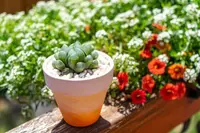
Controlled light acclimation

When moving the plant to a brighter location, increase light exposure gradually over 1–2 weeks to avoid sudden tissue damage, watching the leaf tips for any whitening or translucent burn spots.

Pot depth choice

Use a shallow but wide pot so the fibrous, relatively shallow root system can spread laterally, which supports natural clumping and reduces the risk of waterlogged lower soil layers.

Targeted pest inspection

Inspect closely between leaf bases and under the rosette every few weeks for mealybugs or scale, using a cotton swab dipped in 70% isopropyl alcohol to remove any early infestations before they reach the roots.

Seasonal rest adjustment

During the hottest, brightest part of summer, slightly reduce watering frequency and avoid major repotting or division, as this semi-dormant period is when growing Haworthia cooperi is more prone to stress from root disturbance.

Common Pests and Diseases

Aloe mite

This pest causes blister-like, swollen, or distorted growth on leaves and crowns, often with rough or warted tissue. Symptoms include clustered deformities that do not resemble normal leaf shape and may slowly spread across the plant or to offsets.

Solution

Remove and discard all visibly deformed tissue with sterile tools, cutting back into healthy firm tissue, and destroy heavily infested plants to prevent spread. Isolate affected plants, keep them dry and well ventilated, and apply a sulfur-based miticide or a targeted eriophyid mite product if available, following the label closely.

Mealybugs

These insects appear as white cottony clusters tucked into leaf bases, between translucent leaf windows, and around roots, causing yellowing, stunting, and sticky honeydew. This pest often hides deep in the rosette and may be present on roots before showing above the soil line.

Solution

Unpot the plant, wash roots and leaves gently with lukewarm water, then spot-treat remaining insects with cotton swabs dipped in 70% isopropyl alcohol. Repot in fresh, very well-draining mix, isolate the plant, and repeat alcohol swabs or a systemic insecticide drench every 7–10 days until no new mealybugs appear.

Root mealybugs

This pest lives around the roots and lower stem, appearing as white, cottony patches in the soil and on the root system and causing slow decline, leaf shriveling, and poor growth despite normal watering. Symptoms include weakened roots that break easily and dry, thin leaves even when the mix is slightly moist.

Solution

Remove all soil from the roots, rinse under running water, and cut off heavily infested or decayed roots with sterile scissors. Soak the cleaned root system briefly in water with added insecticidal soap or apply a systemic insecticide drench, then repot into a fresh, mineral-based succulent mix in a clean pot and monitor for reinfestation.

Soft scale

These insects form small, dome-shaped, tan to brown bumps on leaves and stems, often along the lower outer leaves of the rosette, and excrete sticky honeydew. This pest can cause dull, yellow patches, reduced vigor, and sooty mold growth on contaminated surfaces.

Solution

Gently scrape or wipe off visible scale with a soft cloth or cotton pad dipped in 70% isopropyl alcohol, taking care not to tear the translucent leaves. After mechanical removal, apply horticultural oil or a systemic insecticide labeled for scale, and repeat treatment according to label directions until new growth remains clean.

Fungal leaf spot

This disease causes small water-soaked spots on the fleshy leaves that turn brown or almost black, sometimes with a slightly sunken or translucent edge. Symptoms include cosmetic scarring or local tissue collapse where water has sat on the leaf surface for long periods under low airflow.

Solution

Remove affected leaves or cut away badly spotted areas with sterile tools, then allow the wounds to dry in bright, indirect light. Improve airflow, keep water off the leaf surfaces, water only at the soil level, and if spots continue to spread, use a copper-based or broad-spectrum succulent-safe fungicide according to label directions as part of Haworthia cooperi care instructions.

Interesting Facts

Windowed leaf tips

The translucent leaf tips act as small light windows that channel sunlight deeper into the leaf tissue, allowing photosynthesis even when most of the rosette stays shaded or partially buried in the soil.

Naturally semi-subterranean

In its native Eastern Cape habitat in South Africa, this species often grows with its rosettes sunk into gritty soil, exposing mainly the clear leaf tops to intense sun while protecting the rest of the plant from heat and moisture loss.

Clonal offsets and clusters

Haworthia cooperi spreads readily by producing numerous offsets from its base, forming dense, genetically identical clumps that help stabilize it in sandy or rocky substrates and allow rapid colony formation in suitable microhabitats.

Botan icon

Did you know?

Field observations from its South African range show that Haworthia cooperi often grows in the partial shade of rocks, grasses, or low shrubs, using this natural shelter to avoid sun scorch and extreme temperature swings in its arid environment.

FAQs about Bristle Haworthia

Brown leaves usually come from overwatering, intense direct sun, or old age of lower leaves. Check that the potting mix drains very fast, the pot has open drainage holes, and light is bright but filtered, not scorching.

Grow Healthy Plants with Botan Care

Keep your plants happy and healthy with plant identification, disease detection, and easy care guidance.

Botan plant care app — identify plants on mobile

Explore More Plants