


Rotate For Symmetry
Turn the pot 90° every 2–3 weeks so the rosette and hanging stolons develop evenly and the plant does not lean toward the brightest side.

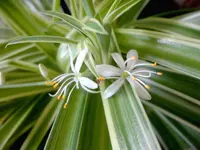
Chlorophytum comosum, commonly called spider plant, is a popular evergreen houseplant grown for its arching leaves and hanging plantlets. It is a compact, clump-forming perennial with narrow, often variegated foliage.
In the wild, it occurs in parts of southern Africa, typically in lightly shaded, well-drained habitats. Indoors, it adapts well to containers and hanging baskets, where its stolons produce many offsets.
This species is considered easy to grow and forgiving of occasional care mistakes, which makes it suitable for beginners learning how to care for Spider Plant. It prefers bright, indirect light, moderate moisture, and a loose, well-drained potting mix.

Care Difficulty
Easy Care

Light Preference
Bright Indirect Light

Water Requirements
Moderate Water

Temperature Preference
Tropical / Frost Sensitive

Hardiness Zone
9–11

Soil Texture
Loamy, Sandy, Organic-rich

Soil pH
Acidic (5.5–6.5), Slightly acidic (6.5–7.0)

Soil Drainage
Moist but well-drained

Fertilization
Light (every 4–6 weeks)
Scan your plant to receive care tips personalized for your specific plant
Available on iOS and Android
This species prefers bright, indirect light but adapts to a range of conditions.
Watering should balance moist but not saturated soil for healthy root growth.
Stable, mild temperatures support consistent growth and limit stress.
This species grows well in typical indoor humidity but benefits from slightly moist air.
This species prefers a light, airy potting medium that drains quickly yet holds moderate moisture.
This species is highly suitable for container growing due to its compact, fibrous root system and arching leaves.
Balanced feeding supports healthy foliage and offsets nutrient limits in containers for this Spider Plant.
Thoughtful pruning keeps Chlorophytum comosum tidy, encourages fresh growth, and maintains flowering performance.
Container-grown plants benefit from periodic repotting to relieve root congestion and refresh the substrate.
New plants are most often produced from the many plantlets that form on arching stolons.
Indoor plants in heated homes need only minor adjustments, but outdoor specimens are sensitive to freezing.

Plant Health Check
Not sure what's wrong with your plant? Check your plant's health inside the app.
This species naturally occurs in both a typical green form and a variegated form with cream or white stripes along the leaves, and both arise from the same species rather than being separate species.
The long, arching stems that carry baby plants (plantlets) are specialized stolons; in nature these allow the plant to spread quickly across disturbed ground or hang from rocky outcrops without relying solely on seed.
It can reproduce both sexually through tiny, star-shaped white flowers that set seed and asexually through rooting plantlets, which gives it a strong ecological advantage in unstable or shaded habitats.

Chlorophytum comosum was one of the species tested by NASA in controlled experiments on indoor air quality, where it showed the ability to remove certain volatile organic compounds from sealed test chambers, helping popularize Spider Plant indoor care in homes and offices.
Brown tips usually result from fluoride or chlorine in tap water, salt buildup from fertilizer, or very dry air. Using filtered water, flushing the pot occasionally, and maintaining moderate humidity generally improves leaf appearance.
Keep your plants happy and healthy with plant identification, disease detection, and easy care guidance.

 POPULAR
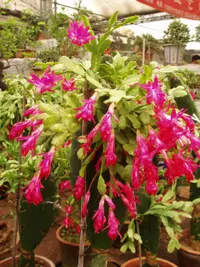
Thanksgiving Cactus
Schlumbergera truncata
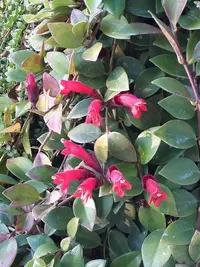
Aeschynanthus acuminatus
Aeschynanthus acuminatus
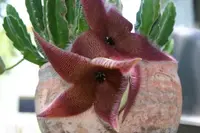
Starfish Cactus
Stapelia grandiflora
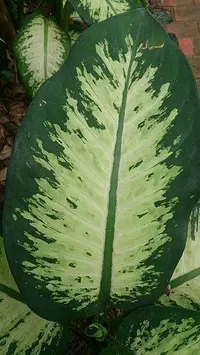
Dumbcane
Dieffenbachia seguine 'Tropic Snow'
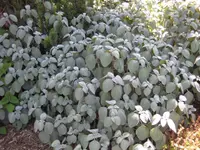
Silver spurflower
Coleus argentatus
Coleus prostratus
Coleus prostratus
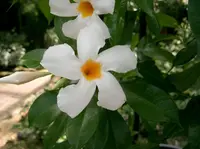
white mandevilla
Mandevilla boliviensis
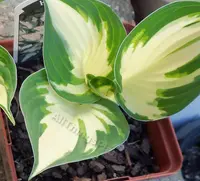
Hosta
Hosta 'Fire and Ice'