Encourage Bushy Shape
Pinch back soft stem tips every few months to encourage branching and a denser, cascading habit instead of long, sparse vines.

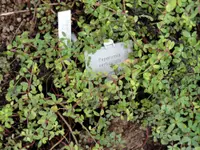
Red log, Peperomia verticillata, is a compact tropical perennial from highland regions of South America. It belongs to the pepper family and is grown mainly as a small indoor foliage plant.
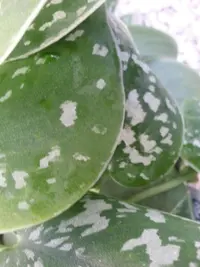
Stems are trailing or slightly upright, with rounded leaves that are green on top and deep red underneath, creating a strong contrast. Plants stay relatively small and branch easily, so they fit well on shelves or in hanging containers.
This species has succulent-like leaves that store water, which makes it more forgiving of occasional missed waterings and suited to beginners who want to care for Red log.
It prefers bright, indirect light, moderate moisture, and a well-drained potting mix to avoid root problems over time.

Care Difficulty
Easy Care

Light Preference
Bright Indirect Light

Water Requirements
Moderate Water

Temperature Preference
Tropical / Frost Sensitive

Hardiness Zone
11–12

Soil Texture
Loamy, Peaty, Organic-rich

Soil pH
Acidic (5.5–6.5), Slightly acidic (6.5–7.0)

Soil Drainage
Well-drained

Fertilization
Light (every 4–6 weeks)
Scan your plant to receive care tips personalized for your specific plant
Available on iOS and Android
Peperomia verticillata prefers bright, indirect light with short periods of gentle direct sun.
Peperomia verticillata prefers light, infrequent watering and slightly drying between waterings.
This species prefers stable, warm conditions without sudden temperature swings.
This species handles typical indoor humidity well but benefits from slightly moist air.
This plant prefers a loose, airy mix that drains quickly yet holds modest moisture.
This compact species is very suitable for container growing.
This compact species benefits from modest, consistent feeding during active growth.
Light pruning keeps Peperomia verticillata compact and encourages bushy growth.
This species prefers slightly snug pots and only needs repotting when clearly rootbound.
New plants are most often produced from stem or leaf cuttings taken from healthy material.
This tropical houseplant is frost-sensitive and needs mild, stable indoor conditions in winter.

Plant Health Check
Not sure what's wrong with your plant? Check your plant's health inside the app.
In its native South American range, this species often grows in rock crevices and on cliffs, anchoring its roots in very shallow, fast‑draining pockets of organic debris rather than deep soil.
The intense red color on the undersides of the leaves becomes most pronounced under strong light, and in shadier conditions the foliage tends to appear greener, showing a light‑driven adjustment in leaf pigmentation.
Its leaves and stems store water in thick tissues, a semi‑succulent adaptation that allows the plant to withstand short dry spells better than many other small tropical understory species.
Brown leaf edges usually result from underwatering, low humidity, or exposure to hot, direct sun. Uniform brown, mushy patches suggest root problems from excess moisture. Check roots, adjust watering, and remove damaged foliage to prevent further stress.
Keep your plants happy and healthy with plant identification, disease detection, and easy care guidance.