Moon Valley Care (Pilea mollis)

About Moon Valley

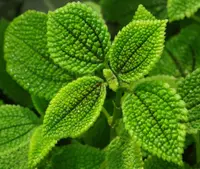
Moon valley, Pilea mollis, is a compact tropical houseplant valued for its striking textured foliage. The leaves are deeply quilted, with bright green surfaces and darker bronze veins that create a patterned, almost mossy look.

In its native range of Central and South America, it grows as an understory plant in warm, humid forests, staying low and bushy. It is generally considered easy to grow because it stays small, responds well to pruning, and adapts to typical indoor conditions.

Moon valley prefers bright, indirect light, evenly moist but not soggy soil, and good air circulation. Understanding these preferences is the key to how to care for Moon Valley successfully.

Main Plant Requirements

Care Difficulty

Moderate Care

Light Preference

Bright Indirect Light

Water Requirements

Keep Soil Moist

Temperature Preference

Tropical / Frost Sensitive

Hardiness Zone

11–12

Soil Texture

Loamy, Peaty, Organic-rich

Soil pH

Acidic (5.5–6.5), Slightly acidic (6.5–7.0)

Soil Drainage

Moist but well-drained

Fertilization

Light (every 4–6 weeks)

Get Personalized Care Plan

Scan your plant to receive care tips personalized for your specific plant

Personalized Care in the App

Available on iOS and Android

How to Care for the Moon Valley

Pilea mollis prefers soft, indirect light that mimics a bright forest understory.

  • Provide 6–8 hours of bright, filtered light each day, such as near an east window or under light shade outdoors.
  • Tolerates partial shade, but if stems stretch or leaves pale, move Moon Valley slightly closer to the light source.
  • Avoid harsh midday and strong afternoon sun, which can scorch textured leaves; shift the plant to more shade during intense summer sun.

Pilea mollis favors evenly moist but not soggy soil around its fine roots.

  • Water when the top 2–3 cm of soil feel dry, using enough water so some drains out, then discard any excess.
  • In spring and summer, expect more frequent watering as growth is faster; in fall and winter, let the top layer dry a bit deeper before watering again.
  • Watch for yellow, mushy leaves as a sign of overwatering and crisp, drooping leaves plus very dry soil as signs of underwatering.

This species grows best in stable, mild temperatures without sudden swings.

  • Maintain an ideal range of 65–80°F (18–27°C) for active growth, avoiding long exposure above or below this band.
  • Protect from cold; growth slows near 55°F (13°C) and tissue damage can occur below 45°F (7°C), especially with wind or damp soil.
  • In hot spells above 85°F (29°C), increase shade and airflow and check soil moisture more often to prevent heat stress and leaf scorch.

This species prefers moderate to high humidity for compact, healthy growth.

  • Aim for 50–70% humidity; it tolerates brief dips lower but prolonged very dry air leads to crisp leaf edges.
  • Watch for downward-curling, papery leaves and stalled growth as signs of humidity stress in Moon Valley plants.
  • Increase humidity with a nearby humidifier, grouped plants, or a pebble tray, but keep leaves dry to limit fungal issues.

This plant grows best in a light, fast-draining, organic-rich mix that holds some moisture without staying wet.

  • Use a peat- or coco-based houseplant mix amended with 30–40% perlite or pumice to increase drainage and aeration.
  • Aim for slightly acidic to neutral pH around 6.0–7.0, which supports nutrient availability for Pilea mollis.
  • Incorporate fine bark or coarse sand to create a crumbly, open structure that prevents compaction around the roots.
  • Avoid heavy garden soil, pure compost, or mixes that stay soggy, as these promote root rot and weak growth.

This species is well suited to container growing due to its compact, spreading habit.

  • Choose a shallow, wide pot that allows lateral spreading while preventing unused deep soil from staying wet.
  • Select a container material that matches your watering style; porous terracotta dries faster than plastic or glazed ceramic.
  • Ensure large, unobstructed drainage holes so excess water exits quickly and the root zone does not remain saturated.

Pilea mollis benefits from light, consistent feeding during its active growing months for compact, healthy foliage.

  • Use a balanced liquid fertilizer (such as 10-10-10) diluted to 1/4–1/2 strength every 4–6 weeks in spring and summer.
  • Alternatively, apply a small amount of slow-release granules on the soil surface at the start of the growing season.
  • Skip or greatly reduce feeding in fall and winter, when growth slows indoors.
  • Ensure soil is moist before applying any fertilizer to avoid root burn while caring for Moon Valley.

Pilea mollis responds well to light pruning that maintains a dense, bushy shape.

  • Best time for pruning is in spring and early summer, when growth is most active.
  • Pinch or trim soft stem tips with clean scissors to encourage branching and fuller foliage.
  • Remove dead, damaged, or leggy stems at the base to improve appearance and light penetration.
  • Disinfect blades before and after use to reduce the risk of disease spread.

This compact plant prefers slightly snug pots but benefits from periodic repotting to refresh the root zone.

  • Repot every 1–2 years in spring when roots circle the pot, emerge from drainage holes, or growth slows without clear cause.
  • Choose a pot 2–3 cm wider with drainage and use a light, peat-free indoor mix for good aeration.
  • Gently loosen circling roots and remove a little old soil, taking care not to break fine roots excessively.
  • Water thoroughly after repotting, then keep in bright, indirect light for 3–5 days to reduce transplant stress.

Pilea mollis is commonly propagated from stem cuttings and small divisions taken from healthy plants.

  • Take 5–8 cm stem cuttings in spring or summer, including several leaf nodes.
  • Remove lower leaves and place cut ends in moist, well-draining mix or water until roots reach 2–3 cm.
  • Provide bright, indirect light, 70–80°F warmth, and high humidity to support rapid rooting.
  • For division, gently separate side shoots with roots during repotting and pot them individually.

This tropical species is frost-sensitive and needs mild, stable indoor conditions during winter in most climates.

  • Keep plants indoors when outdoor temperatures drop below 55°F; avoid cold drafts and windowpanes that chill leaves.
  • Maintain indoor temperatures around 65–75°F with moderate humidity to prevent leaf curl and browning.
  • Water less often than in summer, allowing the top 2–3 cm of soil to dry between waterings.

Care Tips

Pinch To Compact

Pinch out just the soft tip of each stem every 4–6 weeks to keep growth dense and prevent the plant from becoming leggy as it matures.

Edge Protection

Place the pot slightly back from shelf edges or walkway corners so the softly brittle stems are less likely to be snapped when brushed or moved.

Gentle Leaf Cleaning

Use a soft, slightly damp brush or cloth to remove dust from the textured leaves instead of rinsing under a strong tap, which can damage the blistered surface.

Plan For Propagation

When repotting, separate and replant small side shoots into their own pots to renew older specimens and maintain a continuous collection as individual plants age.

Short-Day Adjustment

During darker winter months, rotate the pot by 90° every week so all sides receive similar light, which helps growing Moon Valley evenly without one-sided stretching.

Common Pests and Diseases

Spider mites

This pest thrives on the textured, fuzzy leaves, causing tiny pale speckles, dulling of the foliage, and fine webbing between leaves and stems.

Solution

Rinse the plant under a gentle shower or sink spray, focusing on the leaf undersides, then let it dry in bright, indirect light; repeat weekly until no webbing or speckling appears. For heavier infestations, use an insecticidal soap or neem oil spray labeled for indoor use, improving humidity and air circulation to make conditions less favorable for mites as part of general Pilea mollis care.

Mealybugs

These insects hide easily in the deep leaf veins and nodes, appearing as white cottony clumps and causing stunted, distorted new growth.

Solution

Isolate the plant, then dab visible clusters with cotton swabs dipped in 70% isopropyl alcohol and wipe affected areas carefully. Follow up with a neem oil or insecticidal soap spray every 7–10 days for several cycles, and inspect regularly around leaf joints and along stems to catch new outbreaks early.

Fungal leaf spots

This disease appears as small brown or dark olive spots on the soft leaves, sometimes with yellow halos, often triggered by high humidity and frequent overhead misting.

Solution

Remove and discard affected leaves, then reduce leaf wetness by watering at the soil level and spacing plants for better airflow. Allow the top of the soil to dry slightly between waterings, and in persistent cases use a gentle houseplant-safe fungicide according to label directions while keeping foliage as dry as possible.

Edema

Symptoms include corky, rough, or blister-like patches on the undersides of leaves when roots absorb water faster than the leaves can release it, a common response in this species under low light and wet soil.

Solution

Allow the soil surface to dry slightly deeper before watering, use a well-draining mix, and avoid letting the plant sit in saucer water. Provide brighter, indirect light and stable temperatures to balance water uptake and transpiration, as existing spots will not heal but new growth should emerge normal.

Interesting Facts

Leaf blister texture

The leaves develop a strongly blistered, quilted surface caused by uneven expansion of the leaf tissues between the veins, which creates the deep, cushion-like texture that distinguishes this species from many other Pilea.

Color-shifting foliage

Its foliage often appears bright light green on the raised areas and darker or bronze in the recessed parts because of differences in leaf thickness and surface structure, which affects how light is absorbed and reflected.

Natural understory origin

This species is native to humid tropical forest understories in Central and South America, where it has evolved to use diffuse, filtered light rather than direct sun, a trait that explains its preference for bright shade indoors.

FAQs about Moon Valley

Brown, crispy edges usually come from low humidity, underwatering, or fertilizer burn. Increase room humidity to around 50–60%, water when the top soil dries, and dilute fertilizer more to reduce salt buildup.

Grow Healthy Plants with Botan Care

Keep your plants happy and healthy with plant identification, disease detection, and easy care guidance.

Botan plant care app — identify plants on mobile

Explore More Plants