Structured stem support
Use slim, sturdy stakes and soft plant ties to keep the main stems upright as they elongate, which reduces the risk of leaning or snapping when the plant gains height and weight.


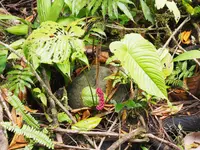
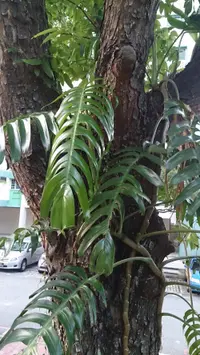
The African fig tree, Ficus cyathistipula, is an evergreen fig from tropical Africa, often grown indoors as a compact tree or large leafy shrub. It naturally grows along riverbanks and in moist forests, where it develops a woody trunk and dense, glossy dark green leaves. Indoors it is valued for its steady growth, tolerance of average room conditions, and relatively low maintenance, which makes it suitable for plant owners with some experience learning how to care for African fig tree. It prefers bright, indirect light, evenly moist but not waterlogged soil, and stable indoor temperatures without cold drafts.

Care Difficulty
Moderate Care

Light Preference
Bright Indirect Light

Water Requirements
Moderate Water

Temperature Preference
Tropical / Frost Sensitive

Hardiness Zone
11–12

Soil Texture
Loamy, Organic-rich

Soil pH
Acidic (5.5–6.5), Slightly acidic (6.5–7.0)

Soil Drainage
Moist but well-drained

Fertilization
Light (every 4–6 weeks)
Scan your plant to receive care tips personalized for your specific plant
Available on iOS and Android
This species prefers bright, indirect light similar to bright understory forest conditions.
Ficus cyathistipula prefers evenly moist, well-drained soil rather than constant wetness.
This fig thrives in warm, stable conditions without sudden temperature swings.
This species prefers moderate to slightly elevated humidity but copes with typical home conditions.
Ficus cyathistipula grows best in a loose, airy, organic-rich substrate that drains quickly yet retains some moisture.
This species is well suited to container growing when the pot supports its upright, eventually top-heavy structure.
Ficus cyathistipula responds well to modest, steady feeding during its active growing season.
Ficus cyathistipula benefits from periodic structural pruning to control size and maintain a dense canopy.
Container-grown Ficus cyathistipula appreciates infrequent but timely repotting to avoid root binding and stalled growth.
Ficus cyathistipula is most commonly propagated from semi-ripe stem cuttings during the warmer months.
Ficus cyathistipula is frost-sensitive and needs mild conditions in winter, especially in containers.

Plant Health Check
Not sure what's wrong with your plant? Check your plant's health inside the app.
This species naturally grows along stream banks and in moist montane forests of central and western Africa, where it experiences bright but filtered light and consistently high humidity.
Plants produce large, cup-shaped stipules that protect the tender new leaves as they emerge, a trait that gives the species its name cyathistipula, meaning cup-stipule.
In the wild, its enclosed fig-like fruits are pollinated by highly specialized fig wasps that can enter the tiny opening of the syconium, a mutualism typical of figs but involving its own specific wasp partner.

In its native African range, this species can become a multi-stemmed small tree with dense, glossy foliage that forms part of the understorey structure, helping to stabilize riverbanks and provide shelter for insects, birds, and small mammals.
Yellowing leaves usually result from overwatering, poor drainage, or sudden changes in temperature. Check that the root zone is not waterlogged, improve drainage, remove affected leaves, and adjust watering to a consistent, moderate schedule.
Keep your plants happy and healthy with plant identification, disease detection, and easy care guidance.