Fishtail Hoya Care (Hoya polyneura)

About Fishtail Hoya

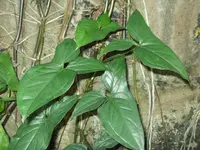
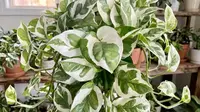
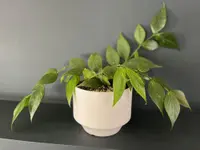
Fishtail hoya (Hoya polyneura) is a tropical vining houseplant known for its thin, arching stems and leaves shaped like a fish tail, with clear, dark green veining. It belongs to the Apocynaceae family and typically grows as an epiphyte, anchoring itself on trees rather than in heavy soil.

In the wild, it occurs in parts of the Himalayas and northeastern India, where it enjoys cool to mild, humid forest conditions. Hoya polyneura is considered moderately demanding because it dislikes extremes: it needs bright, indirect light, gentle but consistent moisture, and a very airy, fast-draining substrate. Understanding these preferences helps plant owners care for Fishtail Hoya more successfully indoors.

Main Plant Requirements

Care Difficulty

Moderate Care

Light Preference

Bright Indirect Light

Water Requirements

Moderate Water

Temperature Preference

Tropical / Frost Sensitive

Hardiness Zone

11–12

Soil Texture

Loamy, Peaty, Organic-rich

Soil pH

Acidic (5.5–6.5), Slightly acidic (6.5–7.0)

Soil Drainage

Well-drained

Fertilization

Light (every 4–6 weeks)

Get Personalized Care Plan

Scan your plant to receive care tips personalized for your specific plant

Personalized Care in the App

Available on iOS and Android

How to Care for the Fishtail Hoya

This species prefers bright, indirect light that mimics dappled forest conditions.

  • Provide 6–8 hours of bright, filtered light each day, such as near an east window or behind a sheer curtain with soft morning sun.
  • Protect Fishtail Hoya from harsh midday and afternoon sun, which can scorch leaves and cause pale, dry patches, especially through hot, unshaded glass.
  • In winter, move the plant closer to the light source or supplement with a grow light if new growth slows and stems stretch toward the window.

Watering should allow the roots to breathe while preventing long periods of bone-dry soil.

  • Before watering, let the top 3–5 cm of soil dry; the pot should feel noticeably lighter and the surface no longer cool or damp to the touch.
  • Use a fast-draining mix and water thoroughly until excess runs out, then empty any standing water to lower the risk of root rot and yellowing leaves.
  • In spring and summer, expect to water more often, while in fall and winter wait longer between waterings, watching for mild leaf wrinkling as a cue to water Hoya polyneura.

Stable, warm conditions support steady growth and flowering.

  • Aim for 65–80°F (18–27°C) for active growth, avoiding frequent swings of more than 10°F (6°C) within a short period.
  • Keep the plant above 55°F (13°C); exposure below this can slow metabolism, cause leaf drop, and increase the risk of cold damage even without visible frost.
  • Short spikes up to 85–90°F (29–32°C) are tolerated if humidity is moderate and the plant is shaded from intense sun, with soil checked more often to prevent complete drying.

This species prefers moderately high humidity but stays manageable in typical home air if other conditions are stable.

  • Aim for 50–70% humidity for best leaf texture and growth in Fishtail Hoya.
  • In prolonged air below 40%, watch for limp leaves, stalled growth, and crisp tips along the leaf edges.
  • Increase humidity with a nearby humidifier, grouped plants, or a pebble tray under the pot rather than misting the foliage.

Hoya polyneura needs a very airy, fast-draining mix that still holds some moisture around the roots.

  • Use a chunky mix such as 40% fine orchid bark, 30% perlite or pumice, and 30% peat moss or coco coir for structure and moisture retention.
  • Keep pH slightly acidic to neutral, around 6.0–7.0, which suits most tap water conditions and supports nutrient availability.
  • Ensure the mix feels light and loose; large particles create air pockets that reduce the risk of root rot and promote fine root growth.
  • Avoid dense garden soil, pure compost, or mixes that stay wet longer than 3–4 days after watering, as these encourage fungal problems.

This species is very suitable for container growing due to its trailing, shallow-rooted habit.

  • Choose a pot only 2–4 cm wider than the root ball to prevent the mix from staying wet in unused areas.
  • Use a stable, heavier container or cachepot if stems become long, so the plant does not tip when vines trail over the rim.
  • Select breathable materials like terracotta if the mix retains moisture for longer than 4–5 days, to help water evaporate more evenly.

Hoya polyneura benefits from light, targeted feeding during its active growing season.

  • Use a balanced liquid fertilizer (for example 10-10-10 or 20-20-20) diluted to 25–50% strength for Fishtail Hoya.
  • Feed every 4–6 weeks in spring and summer when growth is active.
  • Skip compost-heavy mixes that stay wet and avoid high-nitrogen lawn products.
  • Reduce or stop feeding in fall and winter as growth slows.

Pruning Hoya polyneura is mainly for tidying vines and managing size rather than necessity.

  • Carry out light pruning in late winter or early spring before vigorous growth starts.
  • Remove dead, yellowing, or damaged leaves and weak, tangled stems to improve airflow.
  • Shorten overly long vines to shape the plant, but keep flowering spurs where possible.
  • Use clean, sharp scissors or pruning shears to make neat cuts just above a leaf node.

Hoya polyneura prefers being slightly root-bound and does not need frequent repotting.

  • Repot every 2–3 years or when roots circle the pot, emerge from drainage holes, or growth slows.
  • Choose late spring as the best time, when the plant is entering its active growth period.
  • Move only 1 pot size up and use a fast-draining mix to limit moisture stress on roots.
  • Water lightly after repotting, keep in bright but indirect light, and avoid heavy fertilizing for 4–6 weeks.

Hoya polyneura is most often propagated from stem cuttings taken during the warm growing season.

  • Take 2–3 node cuttings in late spring or summer from healthy, non-flowering vines.
  • Remove lower leaves and place nodes in moist, airy mix or water, keeping only the top leaves above the surface.
  • Provide bright, indirect light, high humidity, and temperatures around 70–80°F for rooting.
  • After roots reach 2–3 cm, pot into a small container with well-draining soil and maintain gentle moisture.

Hoya polyneura is not frost hardy and needs moderate winter protection in most climates.

  • Keep indoor plants at 60–70°F and avoid cold drafts from windows or doors.
  • Move any outdoor containers indoors before temperatures drop below 50°F.
  • Water less often in winter, letting the top layer of mix dry out more between waterings.
  • Provide bright, indirect light and avoid sudden temperature swings that stress foliage.

Care Tips

Support arching stems

Provide a shallow trellis, horizontal wire, or shelf edge for stems to rest on, since this species prefers to drape and arch rather than climb vertically, which reduces stem breakage and helps display leaves and flowers well.

Use snug containers

Keep the root ball slightly tight in a pot only 2–4 cm wider than the previous one, as mild root restriction encourages better flowering and helps prevent the mix from staying wet for too long.

Optimize air movement

Place the plant where there is gentle, consistent air flow from a ceiling or oscillating fan to reduce fungal issues on dense foliage and dry water from leaf surfaces more quickly.

Targeted pest checks

Inspect leaf midribs, undersides, and stem joints every 2–4 weeks with a hand lens, since mealybugs and spider mites often hide along the veining pattern and between paired leaves on this species.

Encourage bloom cycles

After a growth period, give the plant a slightly drier, cooler phase for 4–6 weeks and avoid cutting off old flower spurs, which can stimulate repeat blooming when caring for Fishtail Hoya.

Common Pests and Diseases

Mealybugs

This pest often hides in leaf axils and along the midrib of the narrow leaves, sucking sap and causing yellowing, leaf curl, and sticky honeydew on Hoya polyneura.

Solution

Isolate the plant, then dab visible mealybugs with cotton swabs dipped in 70% isopropyl alcohol and gently wipe leaf undersides and stems; repeat weekly and use a light horticultural soap spray for larger infestations while improving light and airflow to strengthen the plant.

Spider mites

These insects thrive on Hoya polyneura in dry, warm indoor air, causing fine webbing between leaves, stippled or faded foliage, and overall decline.

Solution

Rinse foliage thoroughly with lukewarm water, focusing on leaf undersides, then apply an insecticidal soap or neem oil spray every 5–7 days for several cycles while increasing humidity and avoiding hot, dry conditions to reduce reinfestation.

Soft scale

This pest appears as small, smooth, tan to brown bumps along stems and leaf veins, producing honeydew that can lead to sooty mold on Hoya polyneura.

Solution

Gently scrape or wipe off individual scale insects with a cotton pad dipped in 70% isopropyl alcohol, then use repeated applications of horticultural oil to smother remaining juveniles and monitor new growth closely for several weeks.

Edema

This physiological disorder occurs when roots absorb water faster than leaves can transpire it, leading to corky, blister-like spots on the thin leaves of Hoya polyneura.

Solution

Allow the potting mix to dry more between waterings, avoid sudden shifts from low to high light, and ensure the plant is in a breathable mix with good drainage so water uptake and leaf transpiration remain balanced.

Botrytis blight

This disease develops in cool, stagnant, and humid conditions, causing soft, water-soaked spots on leaves and flowers that may develop gray, fuzzy mold on Hoya polyneura.

Solution

Remove and discard affected leaves and spent blooms, improve air circulation around the plant, reduce overhead watering, and keep foliage dry; in persistent cases, a targeted fungicide labeled for indoor ornamentals may be used according to label directions.

Interesting Facts

Distinct fishbone venation

The leaves show a highly contrasted pale midrib and side veins that branch at sharp angles, creating a pattern that resembles the skeleton of a fish tail more strongly than in most other hoya species.

Cooler mountain origins

This species is native to higher-elevation areas of northeastern India and nearby Himalayan foothills, where it grows as an epiphyte on trees in cooler, humid montane forests compared with many other tropical hoyas.

Umbels with pale stars

Its flowers form in rounded clusters called umbels, bearing pale yellow to cream, star-shaped blooms with a contrasting darker center that exude a light fragrance, especially in the evening.

Botan icon

Did you know?

In cultivation, this species is considered more sensitive than many common hoyas, and Hoya polyneura care often fails when growers keep it in warm, very dry, low-light rooms that do not resemble its cooler, bright, humid montane habitat.

FAQs about Fishtail Hoya

Lack of blooms usually comes from insufficient light, heavy pruning of old spurs, or excess nitrogen fertilizer. Provide bright, indirect light, avoid cutting flower spurs, and feed with a balanced or slightly higher-phosphorus fertilizer during the growing season.

Grow Healthy Plants with Botan Care

Keep your plants happy and healthy with plant identification, disease detection, and easy care guidance.

Botan plant care app — identify plants on mobile

Explore More Plants