Hardy begonia Care (Begonia grandis)

About Hardy begonia

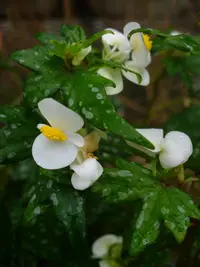
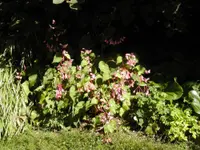
Hardy begonia (Begonia grandis) is a shade-loving perennial grown for its delicate, dangling flowers and attractive, heart-shaped leaves. It dies back in winter and re-sprouts from tuberous roots each year in suitable climates.

In its native range of China and Japan, it grows in moist, shaded woodland slopes and rocky outcrops. The plant forms loose clumps, with arching stems that carry pink or white flowers above a soft, layered canopy of foliage.

It is valued because it tolerates shade and cool conditions better than many other begonias, which makes it relatively straightforward to care for Hardy begonia in temperate gardens. It prefers dappled light, consistently moist but well-drained soil, and protection from harsh afternoon sun.

Main Plant Requirements

Care Difficulty

Moderate Care

Light Preference

Partial Shade

Water Requirements

Regular Water

Temperature Preference

Cool Climate

Hardiness Zone

5–9

Soil Texture

Loamy, Silty, Organic-rich

Soil pH

Acidic (5.5–6.5), Slightly acidic (6.5–7.0)

Soil Drainage

Moist but well-drained

Fertilization

Light (every 4–6 weeks)

Get Personalized Care Plan

Scan your plant to receive care tips personalized for your specific plant

Personalized Care in the App

Available on iOS and Android

How to Care for the Hardy begonia

Begonia grandis prefers soft, indirect light that mimics a bright woodland edge.

  • Provide 2–4 hours of gentle morning sun with bright shade or dappled light the rest of the day, especially in summer.
  • Tolerates full to deep shade, but in very low light stems stretch, flowering drops, and foliage becomes sparse.
  • Avoid strong midday or afternoon sun, which scorches leaves and causes crisp brown edges, especially during hot, dry periods.

This species prefers consistently moist but not saturated soil, especially in the growing season.

  • In active growth, water when the top 2–3 cm of soil feels dry, soaking thoroughly so moisture reaches the root zone, then drain excess.
  • Use a loose, well-drained soil rich in organic matter to limit standing water and reduce risk of root rot and yellow, mushy stems.
  • During late fall and winter dormancy, reduce watering sharply, keeping soil just barely moist to prevent tubers from shriveling.

This hardy species tolerates cool conditions but grows best within a moderate temperature range.

  • Optimal growth occurs around 65–75°F (18–24°C), with steady temperatures supporting strong foliage and flowering.
  • The foliage is damaged by frost; top growth usually dies back around 30–32°F (-1–0°C), but underground tubers often survive colder winters with mulch.
  • In hot summers above 85°F (29°C), provide shade and consistent moisture, as prolonged heat stress can cause wilting, leaf scorch, and reduced flowering.

This species prefers moderately moist air but usually adapts to typical home humidity.

  • Aim for 50–70% humidity to support steady growth and reduce leaf edge browning.
  • Tolerates brief drier spells, but prolonged air below 40% can cause crisp leaf margins and stalled growth in Hardy begonia.
  • Increase humidity by grouping pots, placing them near a humidifier, or setting containers on a pebble tray with water below pot bases.

Begonia grandis grows best in loose, moist, humus-rich soil that drains freely yet holds consistent moisture.

  • Use a mix of roughly 50% peat or coco coir, 30–40% compost, and 10–20% perlite or fine bark for structure and aeration.
  • Aim for a slightly acidic to neutral pH around 6.0–7.0 to support nutrient uptake and healthy roots.
  • Ensure excess water can move through quickly; avoid compacted or heavy clay soil that stays waterlogged after rain or watering.
  • Improve drainage and oxygen around roots by raising beds slightly and working in coarse grit, bark, or perlite before planting.

This species is well suited to container growing on shaded patios, balconies, or sheltered outdoor spots.

  • Choose a pot that is wider than it is deep to allow room for spreading stems and tuberous roots without crowding.
  • Select a slightly heavier material, such as ceramic or clay, to keep tall, leafy growth stable in wind.
  • Use a container with multiple drainage holes so water exits quickly and the lower mix does not stay saturated around the tubers.

Begonia grandis benefits from light, consistent feeding during its active growing season.

  • Use a balanced liquid fertilizer (such as 10-10-10) diluted to 1/4–1/2 strength every 4–6 weeks in spring and summer.
  • Apply a thin layer of compost around in-ground Hardy begonia clumps once in spring for slow, gentle nutrition.
  • Avoid high-nitrogen lawn products nearby, which can cause soft, weak growth and fewer flowers.
  • Stop feeding in fall and winter when the plant is dormant, as inactive roots do not use extra nutrients.

Begonia grandis needs only light pruning to stay tidy and healthy.

  • In spring, remove any dead or winter-damaged stems at the base with clean, sharp pruners or scissors.
  • During the growing season, pinch or cut back leggy, sprawling stems to maintain a compact, balanced shape.
  • Promptly trim off yellowing or diseased leaves to improve air flow and reduce fungal issues.
  • After the first hard frost, cut back collapsed stems at ground level in cold climates.

Begonia grandis is usually grown in the ground, but container plants or crowded clumps benefit from periodic transplanting.

  • Look for roots circling the pot, water running straight through, or slowed growth as signs a container plant needs more space.
  • Transplant or divide outdoor clumps in early spring or just after flowering, every 3–5 years, to refresh crowded areas.
  • Lift the clump carefully, keeping as many tubers and roots intact as possible, and replant at the same soil depth.
  • Water thoroughly after moving and keep soil evenly moist for 1–2 weeks to reduce transplant shock.

Begonia grandis is commonly propagated by bulbils, division, or stem cuttings.

  • In late summer to early fall, collect small bulbils from leaf axils and plant them shallowly in light, moist mix.
  • Divide established clumps in early spring, ensuring each division has several buds and healthy roots.
  • Take soft stem cuttings in late spring, root them in a sterile, moist medium, and keep humidity high but ventilation gentle.
  • Provide bright, indirect light and stable warmth around 65–75°F to support root formation and early growth.

Begonia grandis is cold hardy in many regions but still benefits from simple winter preparation.

  • In USDA zones 6–8, tubers typically survive outdoors, even after hard frosts, once the foliage dies back.
  • After frost blackens the tops, cut stems to ground level and clear away heavy, wet debris.
  • Apply a 5–8 cm layer of loose mulch over the root zone to buffer temperature swings and conserve moisture.
  • For container plants in colder zones, move pots into a cool, frost-free garage or shed and keep soil barely moist.

Care Tips

Mark Dormant Clumps

Insert small, durable labels at the edge of each clump in late fall so you do not accidentally dig up the shallow tubers when the plant is completely dormant in winter.

Layered Propagation

In mid to late summer, gently bend a non-flowering stem to the soil surface, pin it down with a U-shaped wire, and cover the pinned node with 1–2 cm of moist soil to root a new plant in place before dividing it the following spring.

Self-Sown Seedling Management

In early spring, thin out the naturally self-seeded youngsters so that only the strongest seedlings remain at 20–30 cm spacing, which reduces overcrowding and improves air movement around mature plants.

Staggered Clump Renewal

Every 3–4 years, lift and divide only one-third to one-half of the oldest clumps in early spring just as shoots emerge, replanting divisions at the same depth to keep the planting vigorous without losing seasonal impact.

Mulch For Cool Roots

Apply a 3–5 cm layer of fine, loose mulch such as shredded bark or leaf mold in late spring around but not touching the stems to keep roots cool and evenly moist, which is especially useful when growing Hardy begonia in warmer regions.

Common Pests and Diseases

Powdery mildew

This disease causes white, powdery patches on upper leaf surfaces, often in humid, shaded locations with poor air movement. Symptoms include distorted new growth and a dull, grayish cast over foliage.

Solution

Remove the worst-affected leaves and avoid overhead watering so foliage dries quickly. Improve air circulation, thin crowded plantings, and use a sulfur or potassium bicarbonate fungicide labeled for ornamentals if humidity stays high and symptoms progress.

Botrytis blight

This disease produces soft, water-soaked spots on leaves, flowers, and stems that quickly develop gray, fuzzy mold, especially during cool, damp weather. Symptoms include collapsing stems at the soil line and rotting flower clusters.

Solution

Cut off and discard all affected tissue, including any fallen, slimy leaves around the crown. Increase spacing and airflow, keep foliage dry, and apply a targeted botrytis fungicide if wet, cool conditions cannot be avoided and infections keep returning as part of Begonia grandis care.

Begonia bacterial leaf spot

This disease shows as small, water-soaked, translucent spots that turn brown or black and may follow the veins, often starting on lower leaves. Symptoms include yellowing leaves and rapid spread in warm, wet conditions.

Solution

Promptly remove and dispose of infected leaves and avoid splashing water from plant to plant. Water at soil level, improve drainage, and if the problem is severe, use a copper-based bactericide according to label directions while also discarding heavily infected plants to protect nearby begonias.

Spider mites

These pests cause fine speckling, bronzing, and a dull, dry look to leaves, often accompanied by fine webbing on the undersides. Symptoms include reduced vigor and premature leaf drop during hot, dry periods.

Solution

Rinse leaf undersides thoroughly with a strong but gentle stream of water and increase ambient humidity to slow populations. For persistent infestations, apply insecticidal soap or a horticultural oil, repeating at 5–7 day intervals to break the life cycle and monitor closely during hot weather.

Vine weevil

This pest causes notched, ragged feeding damage along leaf edges, while the larvae in soil chew on roots and underground stems, leading to wilting and sudden collapse. Symptoms include stunted growth and plants that lift easily due to root loss.

Solution

Hand-pick adult beetles at night using a flashlight and remove plant debris where they hide. For larvae, use beneficial nematodes labeled for vine weevil control in moist soil and consider repotting affected container plants into fresh, clean medium, discarding badly damaged root systems.

Interesting Facts

Cold-tolerant begonia

Unlike most begonias, this species is hardy in the ground in many temperate regions and can survive winter frosts by dying back to underground tuber-like structures called bulbils.

Self-sowing bulbils

The plant forms small bulbils in the leaf axils that drop to the soil and sprout new plants, allowing it to slowly naturalize in suitable shady gardens.

Evening flower behavior

Its pale pink flowers often close or partially fold in lower light or at night, then reopen in brighter daylight, a simple nyctinastic movement linked to light conditions.

Botan icon

Did you know?

Begonia grandis was one of the first begonias to be grown outdoors as a hardy shade perennial in Europe and North America, changing how gardeners thought about the genus, which had been regarded mainly as a tender greenhouse group.

FAQs about Hardy begonia

Yellowing leaves usually result from natural aging, waterlogged soil, or nutrient deficiency. Check drainage, allow the top layer of soil to dry slightly between waterings, and apply a balanced, diluted fertilizer during active growth if needed.

Grow Healthy Plants with Botan Care

Keep your plants happy and healthy with plant identification, disease detection, and easy care guidance.

Botan plant care app — identify plants on mobile

Explore More Plants