


Prevent Stem Breakage
The stems can snap easily, especially when they become long and heavy. Place the plant where it will not be brushed against often.
Also, avoid letting trailing stems hang across walkways.

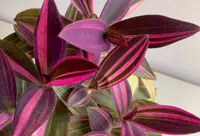
Tradescantia pallida is a fast-growing species that is often grown as an annual houseplant and as a perennial in hardy zones. It is often grown as a hanging plant or warm-climate ground cover.
This species naturally occurs in northeastern Mexico, where it grows in sunny conditions. Its bold color and spreading habit make it popular for containers, borders, and mixed plantings.
Learning how to care for the purple heart is usually easy because the plant is tolerant and fast-growing. It prefers light and well-draining soil, but it can struggle in low light or overly wet conditions.

Care Difficulty
Easy Care

Light Preference
Full Sun

Water Requirements
Moderate Water

Temperature Preference
Warm Climate

Hardiness Zone
10–11

Soil Texture
Sandy, Loamy, Organic-rich

Soil pH
Acidic (5.5–6.5), Slightly acidic (6.5–7.0)

Soil Drainage
Well-drained

Fertilization
Light (every 4–6 weeks)
Scan your plant to receive care tips personalized for your specific plant
Available on iOS and Android
This species prefers bright light or full sun outdoors to produce vibrant purple stems. Its rich purple color won’t be so attractive without enough light.
Tip: Gradually acclimate your Tradescantia pallida to brighter light. Sudden exposure to intense direct sun can scorch its leaves.
Remember that this species prefers moderate watering and should dry slightly between soakings. It's considered to be drought-tolerant, so it's better to underwater it than overwater.
Try to provide warm, frost-free conditions for the purple heart, as they support the strongest growth and color.
This species does not need high humidity, but very dry air can make leaf edges crisp if the plant is also underwatered or exposed to intense heat. At the same time, avoid frequent misting, because wet leaves and poor airflow can encourage spotting or rot.
Purple heart grows best in loose soil that drains quickly and does not stay wet around the roots.
Note: Soggy roots can lead to soft stems and rot.
Use a pot with drainage holes, and empty saucers quickly after watering. The best option is a wide, moderately shallow container to support the spreading stems. Note that heavy ceramic or terracotta pots help prevent trailing growth from tipping the container.
Light feeding helps this houseplant maintain steady growth and foliage color during active growth.
Prune your Tradescantia pallida as it begins to produce long stems to prevent it from becoming leggy. To do this, choose spring and summer.
Be careful: Protect your hands and use gardening gloves to avoid contact with the plant’s irritating red sap.
Container plants may need repotting. Outdoor clumps can be transplanted or divided when they spread too far. You’ll understand the plant needs repotting when roots begin growing through the drainage holes or pushing up above the soil surface.
The easiest way to propagate it is by stem cuttings, which root quickly in warm conditions.
Protection in cold seasons is important because this species is frost sensitive above ground. To save your purple heart, move container plants indoors before freezing temperatures arrive. In mild climates, mulch the root zone.
Tip: Cut back blackened, frost-damaged stems only after the cold period passes. Keep the soil slightly drier during winter rest.

Plant Health Check
Not sure what's wrong with your plant? Check your plant's health inside the app.
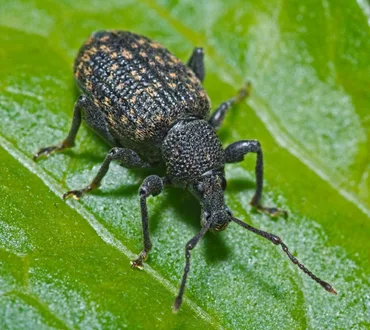
These insects are more damaging in the larval stage than as adults. Adults chew irregular notches along leaf edges.
The white, C-shaped larvae feed on roots and cause sudden wilting, weak growth, or collapse.
Solution
Check the root zone if the plant declines without an obvious above-ground cause.
Remove larvae by hand during repotting and replace heavily infested soil.
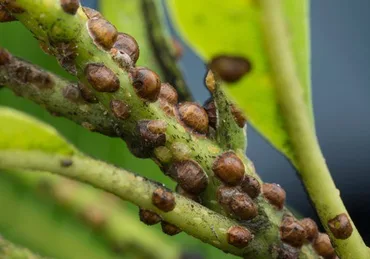
This pest forms small, firm bumps on stems and leaves and can be easy to miss at first.
Affected plants show sticky residue, yellowing leaves, and slowed growth.
Solution
Scrape off small colonies carefully with a fingernail or soft brush.
Then, wipe the affected areas with diluted alcohol. Repeat treatment weekly until no new scale appears.
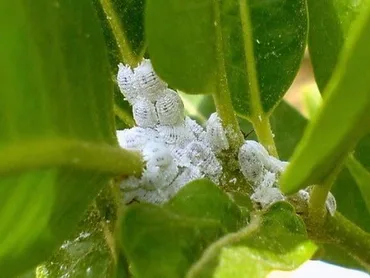
They hide around leaf joints, stem nodes, and dense trailing growth, where they appear as small white cottony clusters.
These pests weaken the plant by feeding on sap and may leave sticky residue.
Solution
Remove visible insects with a cotton swab dipped in alcohol. Then, rinse the stems and leaves gently.
Isolate the plant and repeat checks every few days, especially around tight leaf bases.
Purple heart helps monitor and clean pollutants, especially heavy metals, from coal plants.
Indoors, it may also improve air quality by filtering some common VOCs.
First described as Setcreasea pallida by Joseph Nelson Rose in 1911, the plant was later moved to the genus Tradescantia by D.R. Hunt of Kew in 1975.
Its older names are still sometimes used today.
The plant blooms in midsummer and produces pink to pale-purple flowers with vivid yellow stamens.
Each bloom opens for just a single day.

This species has been used in plant studies because its purple tissues make cellular and environmental responses easier to observe. It is especially useful in experiments involving plant growth, stress, and pigment expression.
In warm, frost-free regions, it can spread beyond its planting area if fragments root where they touch soil.
Keep your plants happy and healthy with plant identification, disease detection, and easy care guidance.

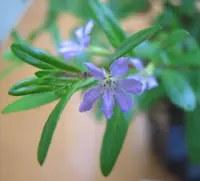
Mexican heather
Cuphea hyssopifolia
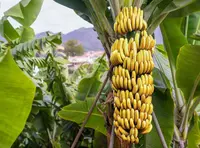
Cavendish Banana
Musa acuminata 'Dwarf Cavendish'
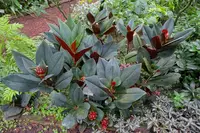
Costus erythrophyllus
Costus erythrophyllus
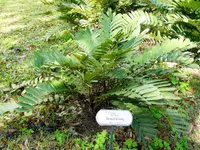
Cardboard palm
Zamia furfuracea
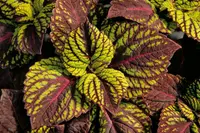
Coleus
Coleus scutellarioides 'Fishnet Stockings'
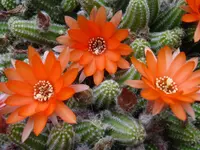
peanut cactus
Chamaecereus silvestrii
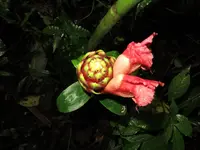
Costus zamoranus
Costus zamoranus
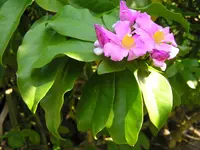
rose cactus
Rhodocactus grandifolius