Rotate trailing stems
Turn the pot 90° every 1–2 weeks so the vines receive light from different angles, which keeps the plant evenly full instead of bare on one side.

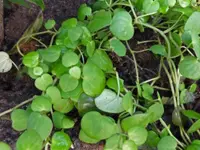
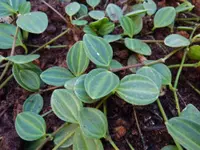
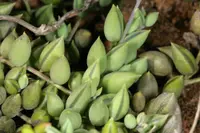
Vining peperomia (Peperomia serpens) is a compact tropical houseplant from Central and South American rainforests, where it grows as an epiphyte on trees. It forms soft, trailing stems with small, heart-shaped leaves that create a dense, cascading effect in hanging pots or on shelves.
This species stays relatively small and grows slowly, which makes it suitable for limited indoor spaces. Its forgiving nature and modest demands make it approachable for beginners.
It generally prefers bright, indirect light, a well-draining, airy potting mix, and light but regular moisture. Understanding these basics helps you care for Vining Peperomia with confidence.

Care Difficulty
Easy Care

Light Preference
Bright Indirect Light

Water Requirements
Moderate Water

Temperature Preference
Tropical / Frost Sensitive

Hardiness Zone
10–12

Soil Texture
Loamy, Peaty, Organic-rich

Soil pH
Acidic (5.5–6.5), Slightly acidic (6.5–7.0)

Soil Drainage
Well-drained

Fertilization
Light (every 4–6 weeks)
Scan your plant to receive care tips personalized for your specific plant
Available on iOS and Android
Peperomia serpens prefers bright, gentle light that mimics dappled forest shade.
Peperomia serpens prefers light, even moisture with brief dry periods between waterings.
This species thrives in stable, warm conditions without cold drafts or sudden swings.
This species prefers moderate indoor humidity and usually adapts well to typical home conditions.
This epiphytic peperomia prefers an airy, fast-draining substrate that stays lightly moist but never waterlogged.
This plant is very suitable for container growing, including hanging baskets and small tabletop pots.
Peperomia serpens benefits from light, controlled feeding during its active growing season.
Peperomia serpens responds well to light pruning that manages size and encourages bushier growth.
Peperomia serpens grows well in small containers and needs relatively infrequent repotting.
Peperomia serpens is commonly multiplied from stem cuttings under warm, humid conditions.
Peperomia serpens is a frost-sensitive tropical species that needs mild indoor conditions in winter.

Plant Health Check
Not sure what's wrong with your plant? Check your plant's health inside the app.
This species is native to tropical lowland forests of Central and northern South America, where it naturally creeps and trails over tree trunks, rocks, and forest floor debris in shaded understories.
In nature it often grows as an epiphyte, anchoring its roots in moss, bark, or leaf litter on other plants rather than in soil, which is why it prefers loose, airy potting mixes in cultivation.
Its small, heart-shaped leaves have slightly thickened, water-storing tissues, giving it a semi-succulent character that helps it tolerate short dry periods better than many other tropical understory species and is an important aspect of Peperomia serpens plant care.
Growth is moderate. Expect stems to extend about 10–20 cm per year indoors if light, temperature, and nutrition are stable. Growth slows noticeably in cooler seasons or under low light, which is normal and not usually a concern.
Keep your plants happy and healthy with plant identification, disease detection, and easy care guidance.