Prayerplant Care (Maranta leuconeura)

About Prayerplant

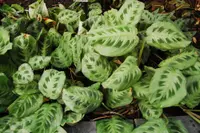
Prayerplant, Maranta leuconeura, is a compact tropical houseplant known for its striking patterned leaves that fold upward at night, resembling praying hands. It grows as a low, spreading plant with gently arching stems.

In nature it occurs in the understory of Brazilian rainforests, where it receives filtered light and high humidity. These origins explain its preference for soft, indirect light, evenly moist but not waterlogged soil, and stable indoor temperatures.

With consistent moisture, moderate light, and protection from drafts, it is considered moderately easy to grow. Learning how to care for Prayerplant mainly involves avoiding dry air and harsh direct sun.

Main Plant Requirements

Care Difficulty

Moderate Care

Light Preference

Bright Indirect Light

Water Requirements

Keep Soil Moist

Temperature Preference

Tropical / Frost Sensitive

Hardiness Zone

11–12

Soil Texture

Loamy, Peaty, Organic-rich

Soil pH

Acidic (5.5–6.5), Slightly acidic (6.5–7.0)

Soil Drainage

Moist but well-drained

Fertilization

Light (every 4–6 weeks)

Get Personalized Care Plan

Scan your plant to receive care tips personalized for your specific plant

Personalized Care in the App

Available on iOS and Android

How to Care for the Prayerplant

This species needs bright, indirect light that mimics filtered forest shade for stable growth.

  • Provide 6–8 hours of bright, filtered light per day, such as light passing through a sheer curtain or dappled shade outdoors.
  • Allow gentle morning sun but avoid direct midday and afternoon sun, which can scorch foliage and fade Prayerplant leaf patterns.
  • In lower light, growth slows and leaves may lose color; move slightly closer to a bright window in winter to compensate for shorter days.

Maranta leuconeura prefers evenly moist but not waterlogged soil throughout the growing season.

  • Water when the top 2–3 cm of soil feels dry, letting water run through freely while ensuring excess drains away fully.
  • In spring and summer, you may need to water more often as growth and evaporation increase; reduce frequency in fall and winter.
  • Signs of overwatering include yellowing, limp leaves and sour-smelling soil, while crisp edges and curling leaves often indicate underwatering.

This plant grows best in warm, stable temperatures similar to its native tropical understory habitat.

  • Keep it at 65–80°F (18–27°C) for active growth; below 60°F (16°C) growth slows and stress increases.
  • Avoid temperatures under 50°F (10°C), as foliage can be damaged and roots may decline; it does not tolerate frost at all.
  • In hot spells above 85°F (29°C), protect from harsh sun, increase humidity if possible, and monitor soil moisture more closely to prevent stress.

This species prefers consistently high humidity to maintain healthy foliage movement and minimal leaf damage.

  • Aim for 50–70% humidity; growth slows and leaf edges may brown if air stays much drier.
  • Crisp tips, rolled leaves, and patchy tan spots indicate humidity stress rather than underwatering for Prayerplant.
  • Increase humidity with a nearby humidifier, grouping plants, or a wide pebble tray, but keep leaves dry to reduce disease risk.

This plant grows best in a loose, moisture-retentive but airy mix that drains freely.

  • Use a peat- or coco-based mix with plenty of organic matter and added perlite or pumice to keep it light and porous.
  • Aim for slightly acidic soil, roughly pH 5.5–6.5, which supports nutrient uptake for Maranta leuconeura.
  • Blend 2 parts all-purpose potting mix with 1 part perlite and 1 part fine orchid bark or coconut husk chips for structure and aeration.
  • Avoid dense garden soil, unamended compost, or mixes that stay wet for days, as these promote root rot and weak roots.

This species is well suited to containers, where controlled moisture and root space support compact, decorative growth.

  • Choose a wide, shallow pot to accommodate its spreading root system and keep the foliage canopy stable above the rim.
  • Select a container material that matches your watering habits, such as terracotta for quicker drying or plastic for slower moisture loss.
  • Ensure large, unobstructed drainage holes so water exits quickly and the lower root zone does not remain saturated after watering.

Maranta leuconeura responds well to light, consistent feeding during the active growing months.

  • Use a balanced liquid fertilizer (around 10-10-10 or 20-20-20) diluted to 1/4–1/2 strength for Prayerplant in spring and summer.
  • Apply every 4–6 weeks when growth is active, skipping feedings if the soil is staying wet or the plant is stressed.
  • Reduce or stop fertilizing in fall and winter when growth slows under lower light.
  • Avoid heavy compost or strong slow-release pellets that can burn roots in compact indoor mixes.

Pruning helps Maranta leuconeura stay compact, healthy, and leafy.

  • Trim in spring or early summer when the plant is actively growing and can replace foliage quickly.
  • Remove yellow, brown, or damaged leaves at the base with clean, sharp scissors or snips.
  • Cut back long, leggy stems just above a node to encourage bushier side shoots and denser growth.
  • Pinch off old flower spikes and weak, crowded stems to direct energy into foliage quality.

This plant grows well in containers and benefits from occasional repotting to refresh soil and manage roots.

  • Check for roots circling the pot, protruding from drainage holes, or slowed growth as signs it needs more space.
  • Plan to repot every 2–3 years in spring, moving only 1 pot size up to avoid waterlogged soil.
  • Use a loose, peat- or coco-based mix with added perlite, and handle the root ball gently to limit disturbance.
  • Water lightly after repotting, keep in bright, indirect light, and avoid heavy feeding for 2–3 weeks to reduce stress.

Maranta leuconeura is most reliably propagated by division rather than by seed.

  • Divide the plant in spring or early summer when repotting, choosing clumps with their own roots and several stems.
  • Gently tease the root ball apart by hand or cut between natural sections with a clean knife.
  • Pot divisions into small containers with fresh, airy mix and keep at 70–80°F in bright, indirect light.
  • Maintain evenly moist, not soggy, soil and high humidity until new leaves emerge, then resume normal care.

This tropical species is frost sensitive and needs indoor-style winter care in most climates.

  • Keep temperatures at 60–75°F and avoid cold drafts from windows or doors.
  • If grown outdoors in summer, move containers indoors before nights drop below 55°F.
  • Provide bright, indirect light and slightly drier soil, letting the top 2–3 cm dry between waterings.
  • Increase indoor humidity with a tray of water and pebbles or a room humidifier to limit leaf browning.

Care Tips

Use wide pots

Choose a shallow, wider pot rather than a deep one to give the rhizomes room to spread horizontally and create a fuller mat of foliage over time.

Rotate for even folding

Turn the pot 90° every 1–2 weeks so the leaves fold and orient more evenly, preventing one-sided, lopsided growth along the light source.

Gentle leaf support

If long petioles start to flop, group stems loosely with a low hoop stake or small trellis ring to keep leaves off the soil surface and reduce the risk of rot and fungus.

Regular dust removal

Wipe leaves with a barely damp, soft cloth every 2–4 weeks to remove dust, which improves photosynthesis and makes it easier to spot early pest activity when caring for Prayerplant.

Seasonal root check

Once a year in late spring, slide the root ball halfway out of the pot to check for circling roots and compacted mix, then repot into fresh, airy substrate if the roots are tightly wrapped around the edge.

Common Pests and Diseases

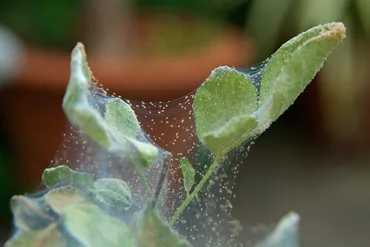
Spider mites

This pest feeds on plant sap and is common on prayer plants grown in dry indoor air. Symptoms include fine webbing, tiny pale speckles on leaves, and gradual leaf dulling and browning.

Solution

Rinse foliage thoroughly with lukewarm water, including leaf undersides, then repeat every few days for 1–2 weeks; increase ambient humidity to 50–60% and avoid placing the plant near heating or AC vents. For persistent infestations, apply insecticidal soap or a neem oil solution to both leaf surfaces, following the product label and testing on a small area first.

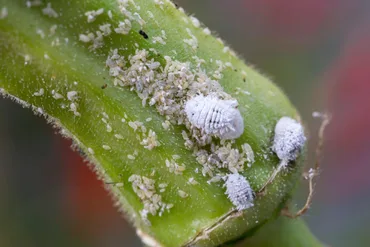
Mealybugs

These insects appear as white, cottony clusters in leaf axils, along stems, and sometimes on roots, causing yellowing, distortion, and sticky residue. This pest is often introduced on new plants or from overcrowded groupings with poor air movement.

Solution

Isolate the plant, then dab visible insects with cotton swabs dipped in isopropyl alcohol (70%) and wipe affected areas. Follow with a thorough spray of insecticidal soap or neem oil, repeating every 7–10 days until no new mealybugs appear, and inspect nearby plants regularly as part of Maranta leuconeura plant care.

Fungal leaf spot

This disease causes small water-soaked spots that turn brown with darker margins, often starting on older leaves kept too wet or in stagnant air. Symptoms include yellow halos, coalescing lesions, and premature leaf drop in severe cases.

Solution

Remove and discard affected leaves, cutting back to healthy tissue with a clean tool, and avoid overhead watering so foliage dries quickly. Improve air circulation, keep leaves dry, and if spotting continues, use a copper-based or other houseplant-labeled fungicide according to directions, applying only to clean, dry leaves.

Bacterial leaf spot

This disease produces irregular, translucent or greasy-looking spots that may enlarge and cause leaf tissue to collapse, especially in warm, humid conditions with frequent leaf wetting. Symptoms include a yellow halo and rapid spread across adjacent leaves.

Solution

Immediately remove severely affected leaves and avoid misting or splashing water onto foliage, watering only at the soil level. Increase spacing around the plant, provide gentle air movement, and if spread continues, discard highly infected specimens to protect nearby plants, then sterilize pots and tools with a 10% bleach solution.

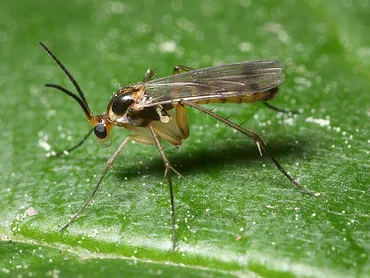
Fungus gnats

These insects are small dark flies that hover around the soil surface, with larvae feeding on organic matter and fine roots in consistently wet potting mix. Symptoms include slow growth, wilting despite moist soil, and noticeable flying adults when the pot is disturbed.

Solution

Allow the top 2–3 cm of soil to dry between waterings to interrupt the larval cycle and improve drainage if the mix stays wet for many days. Use yellow sticky traps to reduce adult numbers and apply a biological control such as Bacillus thuringiensis israelensis (BTI) or beneficial nematodes to the soil according to label instructions if infestation is heavy.

Interesting Facts

Night prayer movement

This species shows strong nyctinasty, folding its patterned leaves upward along the midrib each evening through changes in water pressure at the pulvinus, a joint-like structure at the base of the leaf.

Specialized leaf patterning

The red-veined variety of this species has dark green leaf centers, lighter green margins, and pink to red primary veins, a combination produced by varying chlorophyll density and pigmentation that helps it use light efficiently in its native shaded understory.

Groundcover in Brazilian forests

In its native range in Brazil, this plant grows low to the ground in tropical forest understories, forming loose mats that take advantage of dappled light and high humidity without climbing or developing a woody stem.

Botan icon

Did you know?

The name leuconeura means white-nerved, referring to the pale, vein-like markings on the leaves that made this species one of the earliest and most recognizable members of the prayer plant group to be described and traded internationally in the 19th century.

FAQs about Prayerplant

Leaf curling usually comes from low humidity, underwatering, excess fertilizer, or cold drafts. Increase humidity to around 50–60%, water when the top layer of mix dries slightly, flush excess salts, and keep it away from temperature swings.

Grow Healthy Plants with Botan Care

Keep your plants happy and healthy with plant identification, disease detection, and easy care guidance.

Botan plant care app — identify plants on mobile

Explore More Plants