Chinese Evergreen Care (Aglaonema modestum)

About Chinese Evergreen

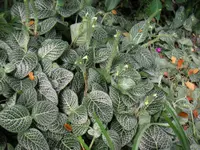
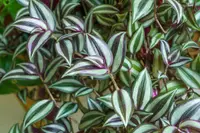
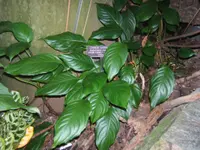
Chinese evergreen, Aglaonema modestum, is a compact, evergreen foliage plant grown mainly for its patterned, glossy leaves. It usually forms a low, bushy clump that stays attractive year-round indoors.

In nature, it grows on the shaded forest floor in tropical and subtropical Asia, where light is filtered and humidity is steady. These conditions explain its preference for moderate, indirect light and evenly moist but not waterlogged soil.

This species is valued for its tolerance of indoor conditions, including lower light and variable room humidity, which makes it suitable for many homes and offices. Understanding how to care for Chinese Evergreen starts with providing stable conditions and avoiding extremes in light, temperature, and watering.

Main Plant Requirements

Care Difficulty

Easy Care

Light Preference

Bright Indirect Light

Water Requirements

Moderate Water

Temperature Preference

Tropical / Frost Sensitive

Hardiness Zone

10–11

Soil Texture

Loamy, Peaty, Organic-rich

Soil pH

Acidic (5.5–6.5), Slightly acidic (6.5–7.0)

Soil Drainage

Moist but well-drained

Fertilization

Light (every 4–6 weeks)

Get Personalized Care Plan

Scan your plant to receive care tips personalized for your specific plant

Personalized Care in the App

Available on iOS and Android

How to Care for the Chinese Evergreen

Aglaonema modestum grows best in soft, indirect light and stays compact with even light exposure.

  • Provide bright, filtered light or light shade, with 4–6 hours of indirect light daily; early morning sun through a sheer curtain is acceptable, but avoid direct midday or afternoon sun.
  • This Chinese Evergreen tolerates low light and north- or east-facing positions, though very dim spots slow growth and can cause sparse, elongated stems and dull foliage.
  • In summer, move pots slightly farther from intense windows; in winter, shift closer to brighter windows or use supplemental light to maintain consistent brightness.

Aglaonema modestum prefers evenly moist but never soggy soil, with brief drying between waterings.

  • Before watering, let the top 2–4 cm of soil dry; in typical home conditions this may mean roughly weekly watering in summer and every 10–14 days in winter, but always check the soil first.
  • Use a free-draining mix and containers or beds with excellent drainage, so excess water can exit quickly and roots receive air, lowering the risk of root rot.
  • Watch for symptoms: yellowing, mushy lower leaves and a sour smell indicate overwatering, while drooping, thin leaves and very light, shrinking soil indicate underwatering.

This plant prefers warm, stable temperatures and reacts poorly to sudden cold or hot drafts.

  • Aim for 68–80°F (20–27°C) for best growth; it can handle short periods up to about 86°F (30°C) if humidity is moderate and soil does not dry out completely.
  • Avoid temperatures below 60°F (16°C); at 55–60°F (13–16°C) growth slows, and below 50°F (10°C) chilling injury, leaf yellowing, and dark patches become likely.
  • Protect from frost and cold or hot drafts near exterior doors, fireplaces, or uninsulated windows, and keep outdoor specimens in sheltered, frost-free microclimates.

This species appreciates moderate household humidity and reacts if air stays very dry.

  • Aim for 40–60% humidity to keep leaves firm and reduce brown tips on this Chinese Evergreen.
  • Tolerates short dry-air spells, but prolonged humidity below 35% leads to crispy edges and slower growth.
  • Increase humidity by grouping plants, placing the pot on a pebble tray with water, or running a small room humidifier nearby.

This plant prefers an airy, organic-rich potting medium that holds moisture but drains quickly.

  • Use a peat- or coco-coir-based potting mix blended with perlite and fine bark to create a loose, slightly chunky texture.
  • Aim for slightly acidic to neutral pH around 6.0–7.0, which supports nutrient availability for Aglaonema modestum.
  • Ensure fast drainage so water leaves the pot within seconds; avoid mixes heavy in clay or fine sand that stay soggy.
  • Improve aeration by adding 20–30% perlite or pumice and avoiding compaction when filling the pot around the root ball.

This species is well suited to container growing and adapts to a range of indoor pot setups.

  • Choose a pot just 2–5 cm wider than the root ball so the mix does not stay wet for long periods.
  • Select sturdy ceramic or stone containers for tall plants to reduce the risk of tipping as foliage becomes top-heavy.
  • Use a saucer that allows quick emptying after watering so the container base does not sit in stagnant water.

This species benefits from light, consistent feeding rather than heavy fertilization, which aligns with general Chinese Evergreen indoor care.

  • Use a balanced liquid fertilizer (for example 10-10-10 or 20-20-20) diluted to 1/4–1/2 strength for container plants.
  • Apply every 4–6 weeks during the main growing season in spring and summer when light and temperatures are higher.
  • Skip or reduce feeding to 1 light application in fall and none in winter, when growth naturally slows.
  • Avoid fertilizing very dry soil; water lightly first to prevent root burn, and flush pots with plain water a few times per year.

Pruning Aglaonema modestum is simple and mainly supports a tidy shape and healthy foliage.

  • Best time is late winter to early spring, before strong new growth begins, though dead leaves can be removed anytime.
  • Cut yellow, brown, or damaged leaves back to the base using clean, sharp scissors or pruning shears.
  • Thin out very crowded stems at the soil line to improve air movement and maintain a balanced, compact form.
  • Trim overly tall, leggy stems above a leaf node to encourage branching and denser foliage over time.

This plant prefers slightly snug pots and benefits from measured, not frequent, repotting.

  • Repot every 2–3 years or when roots circle the pot, emerge from drainage holes, or growth slows despite good care.
  • Choose early spring for most repotting so the plant has a full growing season to recover and extend new roots.
  • Move to a pot only 2–5 cm wider, using a well-drained, peat- or coir-based mix to limit waterlogging stress.
  • Water lightly after repotting, keep in bright, indirect light, and avoid fertilizing for 3–4 weeks while roots re-establish.

This species is most commonly propagated by division and stem cuttings under warm, stable conditions.

  • Divide mature clumps in spring by gently separating rooted sections, each with several stems and healthy roots.
  • For stem cuttings, take 8–12 cm segments with at least 2 nodes, removing lower leaves to expose nodes.
  • Root cuttings in moist, well-drained mix at 70–80°F with high humidity and bright, indirect light.
  • Keep the medium just lightly moist, not waterlogged, and avoid strong fertilizer until new roots and leaves develop.

This tropical species is not frost tolerant and needs stable indoor conditions in winter in most climates.

  • Maintain indoor temperatures around 65–75°F and avoid exposure below 55°F, including cold drafts near windows and doors.
  • Position the plant away from single-pane glass where foliage can chill at night, but still offer bright, indirect light.
  • Water less often in winter, allowing the top 2–3 cm of mix to dry, and avoid heavy fertilization until spring.

Care Tips

Rotate for symmetry

Turn the pot 90° every 2–3 weeks so the plant receives light from different angles, which keeps stems upright and the clump evenly shaped instead of leaning to one side.

Leaf hygiene routine

Wipe leaves gently with a damp, soft cloth every 3–4 weeks to remove dust, improve light capture, and allow early detection of issues like scale insects or spider mites.

Stabilize heavy stems

If older stems become top-heavy, tuck them into a slightly deeper, heavier potting container or use short, discreet stakes to prevent wobbling and root damage when the plant is moved.

Clustered pot grouping

Place this plant among other non-thirsty tropicals in a loose group to create a slightly more humid microclimate around the foliage without needing special equipment when growing Chinese Evergreen.

Prevent cold shock

When bringing the plant home or moving it in cool weather, wrap the pot and foliage loosely in paper or a light cloth and limit outdoor exposure to a few minutes to avoid leaf yellowing from sudden cold drafts.

Common Pests and Diseases

Mealybugs

This pest hides in leaf axils and along stems, sucking plant sap and causing yellowing, distortion, and sticky honeydew deposits that may lead to sooty mold.

Solution

Isolate the plant, then dab visible insects with cotton swabs dipped in 70% isopropyl alcohol and wipe leaf bases thoroughly; repeat weekly until no new insects appear. For heavier infestations, use a ready-to-use insecticidal soap or neem oil spray, ensuring full coverage of leaf undersides and stem joints, and reduce excess nitrogen fertilization that encourages soft new growth.

Spider mites

These insects thrive on Aglaonema foliage in warm, dry indoor air, causing fine stippling, dull leaves, and delicate webbing between petioles and leaves.

Solution

Increase humidity around the plant, then rinse foliage under a gentle lukewarm shower or with a handheld sprayer to remove mites and webbing. Follow with repeated applications of insecticidal soap or horticultural oil every 5–7 days for several cycles, making sure to cover the undersides of leaves where mites concentrate.

Scale insects

This pest appears as small, tan to brown bumps on stems and leaf midribs, slowly weakening the plant through sap feeding and sometimes causing leaf drop and sticky honeydew.

Solution

Scrape off or gently pry away individual scales with a fingernail or soft brush, then wipe stems and midribs with a cloth lightly moistened with 70% isopropyl alcohol. Continue with regular inspections and, when numbers are higher, apply horticultural oil or insecticidal soap, repeating applications according to label directions until no new scales are seen.

Bacterial leaf spot

This disease causes water-soaked, translucent spots on leaves that may turn brown with yellow halos and can spread quickly in warm, humid, poorly ventilated conditions.

Solution

Remove and discard affected leaves promptly, avoiding contact with healthy foliage, and keep leaves dry by watering at the soil level rather than overhead. Improve airflow, avoid crowding plants, and if spread continues, discard severely affected specimens, then disinfect tools and containers before introducing new Aglaonema modestum plants as part of responsible Aglaonema modestum plant care.

Anthracnose leaf blight

This disease produces irregular tan to dark brown lesions on leaves, often along margins or tips, which can coalesce and cause large dead areas and premature leaf loss.

Solution

Prune and discard diseased leaves, sterilizing cutting tools between plants, and avoid wetting the foliage during watering. Reduce humidity around the affected plant, improve air circulation, and use a copper-based fungicide labeled for houseplants if new lesions continue to appear despite cultural corrections.

Interesting Facts

Low-light forest understory

This species is naturally found in the shaded understory of humid tropical forests in Southeast Asia, where it grows beneath dense tree canopies and adapts to very low light levels compared with many other aroids.

Unshowy but fertile flowers

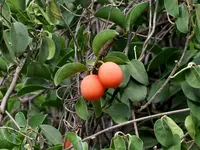
Its inflorescences are typical aroid structures, with a spadix and pale spathe, and though visually modest, they produce viable berries that enable sexual reproduction in the wild rather than relying only on vegetative offsets.

Tolerance of urban interiors

Compared with many tropical foliage plants, this species is unusually tolerant of the dry air, stable temperatures, and low natural light typical of air‑conditioned offices and homes, which is why Chinese Evergreen indoor care often uses this particular species as a reference point.

FAQs about Chinese Evergreen

Brown leaf tips or edges usually come from low humidity, excessive fertilizer salts, or cold drafts. Large brown patches often indicate root stress or past underwatering. Trim damaged areas and correct the underlying environmental or watering issue.

Grow Healthy Plants with Botan Care

Keep your plants happy and healthy with plant identification, disease detection, and easy care guidance.

Botan plant care app — identify plants on mobile

Explore More Plants