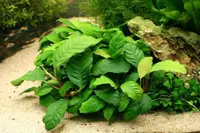
Dumbcane Care (Dieffenbachia seguine)

Also known as: tuftroot

About Dumbcane

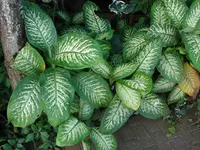
Dumbcane (Dieffenbachia seguine) is a tropical evergreen houseplant grown for its large, patterned leaves in shades of green, cream, and yellow. It typically grows upright with a cane-like stem and forms a bushy clump over time.

In nature it occurs in humid, shaded forests of Central and South America, which explains its preference for warm indoor temperatures and indirect light. Once its basic needs are understood, it is a relatively forgiving plant, so learning how to care for Dumbcane is manageable for most indoor growers.

It performs best in bright, filtered light, evenly moist but not waterlogged soil, and a stable indoor environment without cold drafts.

Main Plant Requirements

Care Difficulty

Moderate Care

Light Preference

Bright Indirect Light

Water Requirements

Moderate Water

Temperature Preference

Tropical / Frost Sensitive

Hardiness Zone

10–12

Soil Texture

Loamy, Peaty, Organic-rich

Soil pH

Acidic (5.5–6.5), Slightly acidic (6.5–7.0)

Soil Drainage

Moist but well-drained

Fertilization

Light (every 4–6 weeks)

Get Personalized Care Plan

Scan your plant to receive care tips personalized for your specific plant

Personalized Care in the App

Available on iOS and Android

How to Care for the Dumbcane

Dieffenbachia seguine prefers bright, indirect light that mimics dappled tropical shade.

  • Provide 6–8 hours of filtered light daily, such as a spot near an east- or north-facing window or under light shade outdoors.
  • Tolerates partial shade but growth slows; if stems stretch or leaves lose variegation, move the Dumbcane slightly closer to the light source.
  • Avoid harsh midday or afternoon sun, which can scorch leaves; in summer, shift a few feet back from windows or use sheer curtains.

This plant prefers evenly moist but not waterlogged soil with slight drying between waterings.

  • Water when the top 2–4 cm of soil feels dry, using enough water to moisten the root zone, then let excess drain away fully.
  • In spring and summer, drying will be faster; in fall and winter, expect slower drying and extend the interval before the next watering.
  • Yellowing, soft leaves and sour-smelling soil suggest overwatering, while drooping, thin, or curling leaves and very dry soil point to underwatering in Dieffenbachia seguine.

This species thrives in consistently warm, stable temperatures without sudden swings.

  • Aim for 65–80°F (18–27°C) for best growth, avoiding frequent shifts of more than 5–10°F (3–6°C) in a short time.
  • Protect from cold; growth slows below 60°F (16°C), leaf damage appears near 50°F (10°C), and frost can kill tissues.
  • Tolerates brief heat up to 86°F (30°C) if humidity is moderate and soil is not dry, but prolonged hotter conditions can cause leaf scorch and wilting.

This species prefers moderate to high indoor humidity and reacts quickly to very dry air.

  • Aim for 50–70% humidity for steady Dumbcane growth and even leaf expansion.
  • Dry air below ~40% can cause brown leaf edges, crispy tips, and slower new growth.
  • Increase humidity with a nearby humidifier, grouped plants, or a pebble tray, not by misting leaves heavily.

Dieffenbachia seguine prefers a loose, airy, organic-rich substrate that drains freely yet holds even moisture.

  • Use a peat- or coco coir-based mix with added perlite and fine bark to create a light, chunky structure.
  • Ensure fast drainage; water should pass through the pot within seconds, leaving the mix lightly moist, not waterlogged.
  • Keep pH slightly acidic to neutral (6.0–7.0), avoiding very alkaline mixes that can limit nutrient uptake.
  • Avoid dense garden soil, heavy clay, or mixes that stay soggy, which reduce root oxygen and promote rot.

This species is well suited to container culture in homes and offices.

  • Choose a pot with a wider base to counterbalance the tall, top-heavy stems and reduce tipping risk.
  • Select a slightly snug pot to keep the root zone dense enough for stable stems while still allowing drainage channels.
  • Use a plastic or glazed ceramic pot if slower drying is needed, or unglazed terracotta where excess moisture is a concern.

Dieffenbachia seguine responds well to light, consistent feeding during active growth.

  • Use a balanced liquid fertilizer (around 10-10-10 or 20-20-20) diluted to 1/4–1/2 strength.
  • Feed Dumbcane every 4–6 weeks in spring and summer, after watering the soil first.
  • Suspend or reduce feeding to once in 8–10 weeks during fall and winter.
  • Avoid heavy compost or slow-release pellets that can lead to salt buildup in containers.

Pruning Dieffenbachia seguine helps maintain a compact, upright form and removes declining growth.

  • Best time is late winter to early spring before strong new growth starts.
  • Cut away yellow, dead, or damaged leaves at the base with clean, sharp scissors or pruners.
  • Shorten tall, bare stems above a node to encourage branching and denser foliage.
  • Remove crowded inner stems to improve light penetration and airflow around leaves.

Container-grown Dieffenbachia seguine benefits from periodic repotting to maintain root health and stable growth.

  • Check for roots circling the pot, pushing through drainage holes, or unexplained slow growth as repotting signals.
  • Repot every 2–3 years in spring, moving to a container only 2–5 cm wider with fresh, well-draining mix.
  • Water lightly before repotting, gently loosen circling roots, and trim only damaged portions.
  • After repotting, keep in bright, indirect light, maintain slightly moist soil, and avoid fertilizing for 3–4 weeks to limit root stress.

New Dieffenbachia seguine plants are most often produced from stem cuttings rather than seed.

  • Take 8–12 cm stem tip or mid-stem cuttings in late spring or early summer, each with at least 1–2 nodes.
  • Root cuttings in moist, sterile mix at 70–80°F with high humidity and bright, indirect light.
  • Keep the medium just slightly moist and cover with a clear dome or plastic bag for consistent humidity.
  • Once roots are 3–5 cm long and new leaves appear, pot each cutting separately in a small container.

Dieffenbachia seguine is a tropical species that does not tolerate frost and needs indoor winter care in cold regions.

  • Keep plants above 60°F, ideally 65–75°F, away from drafts and cold windowsills.
  • Move outdoor containers indoors before night temperatures drop below 55°F.
  • Provide bright, indirect light and reduce watering, letting the top 2–3 cm of soil dry between waterings.
  • Avoid fertilizing in mid-fall through winter, resuming light feeding in spring.

Care Tips

Rotate For Symmetry

Turn the pot 90° every 1–2 weeks to prevent one-sided leaning and encourage an even, upright canopy as the stems thicken.

Stake Tall Canes

Once stems exceed about 45–60 cm, insert a slim stake near the main cane and secure it loosely with soft ties to prevent snapping or toppling from the heavy foliage.

Renew Leggy Plants

If stems become bare at the base, cut the cane above a leaf node in spring, then root the top in water or moist mix and leave the stump to resprout for a fuller plant.

Safe Sap Handling

When pruning or propagating, wear gloves, avoid touching eyes or mouth, and rinse tools after use because the milky sap is irritating to skin and mucous membranes.

Quarantine New Arrivals

Keep any new aroid or foliage plants in a separate room for 2–3 weeks and inspect the leaves and stems closely before placing them nearby to reduce pest issues when caring for Dumbcane.

Common Pests and Diseases

Spider mites

This pest often appears on Dieffenbachia in dry indoor air, causing stippled, faded leaves and fine webbing on leaf undersides. Symptoms include slow decline, leaf edge bronzing, and premature leaf drop.

Solution

Rinse foliage thoroughly with lukewarm water, focusing on leaf undersides, then repeat every few days for 2–3 weeks. Increase humidity, isolate the plant, and use a horticultural oil or insecticidal soap labeled for indoor use, ensuring full coverage and good ventilation while the leaves dry.

Mealybugs

These insects form white, cottony clusters in leaf axils, along stems, and on roots in potting mix. Symptoms include sticky honeydew, sooty mold growth, and stunted new leaves.

Solution

Remove visible insects with a cotton swab dipped in isopropyl alcohol, then rinse the plant to wash off residues and hidden pests. For heavier infestations, apply insecticidal soap or a ready-to-use systemic houseplant insect control, repeating treatments according to label directions until no new mealybugs appear.

Bacterial leaf spot

This disease causes water-soaked, translucent lesions that may turn brown with yellow halos, often starting at leaf tips or margins. Symptoms include rapid spread in warm, humid conditions and a foul odor from badly affected tissue.

Solution

Remove and discard all infected leaves, sterilizing scissors between cuts, and avoid overhead watering or water sitting on leaves. Improve air movement, keep foliage dry, and if the problem is severe, discard the plant and potting mix to prevent spread to nearby aroids.

Anthracnose

This disease produces tan to dark brown spots with defined margins on leaves, sometimes coalescing into larger dead patches. Symptoms include curling, thinning, and eventual drop of older leaves in warm, humid conditions.

Solution

Prune out affected leaves and dispose of them in the trash, not compost, and reduce humidity around the foliage while still keeping roots evenly moist. Water at soil level, increase air circulation, and use a copper-based fungicide labeled for houseplants if new spots keep appearing despite cultural corrections.

Fusarium stem rot

This disease causes lower stems to become soft, discolored, and collapsed, often with yellowing leaves starting from the base of the plant. Symptoms include poor new growth and a foul smell at the stem-soil interface under persistently wet conditions.

Solution

Cut away all mushy or discolored stem sections with sterilized tools, keeping only firm, healthy tissue, and repot into fresh, well-drained mix in a clean pot. Allow the top of the soil to dry slightly between waterings, discard heavily infected plants that do not respond, and sanitize any reused containers or tools to avoid re-infection.

Interesting Facts

Variable leaf pattern

Wild Dieffenbachia seguine shows high natural variation in leaf size, shape, and variegation, which is why many cultivated forms look quite different although they belong to the same species.

Native rainforest understory

This species is naturally found in the shaded understory of lowland tropical rainforests from Central to northern South America, which explains its strong tolerance for lower indoor light compared with many other foliage plants.

Calcium oxalate defense

Its tissues contain needle-like calcium oxalate crystals called raphides that strongly deter herbivores; contact or chewing can cause intense irritation in animals and humans.

Botan icon

Did you know?

The common name dumbcane comes from historical reports that chewing parts of Dieffenbachia seguine caused temporary loss of speech due to severe swelling of the mouth and throat, a property that led to documented use as a punitive plant in some 18th–19th century colonial contexts.

FAQs about Dumbcane

Brown tips or edges usually come from low humidity, underwatering, or excess fertilizer salts. Large brown patches often indicate direct sun scorch or cold drafts. Trim damaged areas, correct the cause, and new growth should appear healthier.

Grow Healthy Plants with Botan Care

Keep your plants happy and healthy with plant identification, disease detection, and easy care guidance.


Botan plant care app — identify plants on mobile

Explore More Plants