Window-Leaf Monstera Care (Monstera obliqua)

About Window-Leaf Monstera

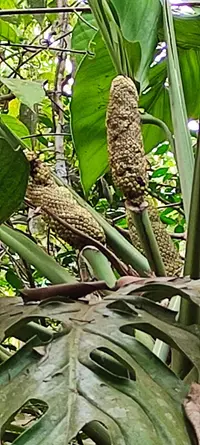
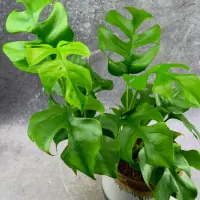
Window-leaf monstera (Monstera obliqua) is a rare tropical aroid valued for its extremely thin leaves with large, irregular holes. It usually grows as a delicate climbing vine rather than a compact bushy plant.

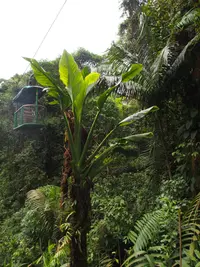
In nature it occurs in humid lowland rainforests of Central and South America, where it uses trees for support and constant warmth. Its fragile foliage, slow growth, and sensitivity to changes in humidity and light make it challenging for most home growers.

Successful how to care for Window-Leaf Monstera generally depends on providing stable warmth, high air moisture, gentle filtered light, and an airy, fast-draining substrate that never stays soggy or bone-dry for long.

Main Plant Requirements

Care Difficulty

Hard Care

Light Preference

Bright Indirect Light

Water Requirements

Moderate Water

Temperature Preference

Tropical / Frost Sensitive

Hardiness Zone

11–12

Soil Texture

Loamy, Peaty, Organic-rich

Soil pH

Acidic (5.5–6.5), Slightly acidic (6.5–7.0)

Soil Drainage

Moist but well-drained

Fertilization

Light (every 4–6 weeks)

Get Personalized Care Plan

Scan your plant to receive care tips personalized for your specific plant

Personalized Care in the App

Available on iOS and Android

How to Care for the Window-Leaf Monstera

Monstera obliqua prefers bright, filtered light that mimics dappled forest canopy conditions.

  • Provide 6–8 hours of bright, indirect light each day; morning sun filtered through a sheer curtain is suitable, but avoid harsh midday or afternoon sun on leaves.
  • Tolerates light shade, yet very low light causes stretched, sparse growth and smaller fenestrations typical of Window-Leaf Monstera.
  • In summer, protect from south- or west-facing direct sun to prevent leaf scorch; in winter, move closer to bright windows or use a weak grow light to compensate for shorter days.

Monstera obliqua needs consistently lightly moist but well-aerated soil, not constant wetness.

  • Water when the top 2–4 cm of soil feels dry; use finger testing rather than a fixed schedule, as frequency varies with pot size, light, and season.
  • In spring and summer, you may water more often as growth and evaporation increase; in fall and winter, extend the drying time slightly to reduce root rot risk.
  • Watch for yellowing, soft leaves and a sour soil smell as signs of overwatering, and crispy edges plus wilting with very dry, pulling soil as typical underwatering signals; always ensure fast drainage.

This species thrives in warm, stable conditions without sudden temperature swings.

  • Aim for 70–80°F (21–27°C) for best growth; short dips to 65°F (18°C) are usually tolerated but slow development.
  • Avoid temperatures below 55°F (13°C); colder conditions can damage foliage, and light frost can kill exposed stems and roots.
  • In hot weather above 85°F (29°C), increase airflow and humidity while keeping the plant shaded from intense sun; protect year-round from cold drafts, air conditioners, and heater blasts that cause leaf stress.

This species needs high humidity to maintain healthy, stable foliage.

  • Aim for 60–80% humidity; Window-Leaf Monstera often declines in typical 30–40% indoor air.
  • In dry air, expect crisp leaf edges, stalled growth, and curling or tearing of the delicate leaf tissue.
  • Increase humidity with a nearby humidifier, grouped plants, and trays of water with pebbles placed directly under the container.

Monstera obliqua performs best in a loose, airy, organic-rich mix that drains rapidly yet holds some moisture.

  • Use a base of peat or coco coir with chunky orchid bark and perlite to create a fibrous, well-structured substrate.
  • Aim for slightly acidic to neutral pH, roughly 5.5–7.0, which supports nutrient availability and healthy root function.
  • Include a small amount of mature compost or worm castings for nutrients, but keep the mix at least half coarse materials for aeration.
  • Avoid dense, fine-textured mixes or straight potting compost that stay wet for many hours and restrict oxygen around the roots.

This species is well suited to container growing when the pot supports its vining and delicate root system.

  • Choose a relatively wide, moderately deep pot so roots can spread horizontally and a support stake can be anchored securely.
  • Use a container material that matches your environment: terracotta for faster drying, or thick plastic to slow water loss in drier homes.
  • Ensure large, unobstructed drainage holes and elevate the pot slightly so excess water exits quickly and does not reabsorb into the mix.

Monstera obliqua benefits from light, consistent feeding that supports foliage without overloading the delicate root system.

  • Use a balanced liquid NPK fertilizer at 1/4–1/2 strength every 4–6 weeks during spring and summer for Window-Leaf Monstera indoor care.
  • Choose either a dilute liquid feed or a gentle slow-release fertilizer; avoid high-salt products that can burn roots.
  • Water before applying fertilizer so nutrients disperse evenly and do not shock dry roots.
  • In autumn and winter, reduce feeding to once every 8–10 weeks or pause if growth is very slow.

Pruning Monstera obliqua is mainly used to control size, remove weak growth, and maintain airflow around the plant.

  • Carry out light pruning in spring or early summer when the plant is actively growing and recovers faster.
  • Remove yellowing, dead, or mechanically damaged leaves using clean, sharp scissors or pruning shears.
  • Thin crowded stems at the base to improve light penetration and encourage stronger, better-spaced foliage.
  • Shorten overly long vines just above a node to shape the plant and direct energy into new lateral shoots.

This species prefers a stable environment, so repot Monstera obliqua only when clear signs of crowding appear.

  • Check for roots circling the pot, pushing through drainage holes, or noticeably slowed growth as indicators for repotting.
  • Plan repotting for late spring, moving the plant into a container 2–3 cm wider with very airy, fast-draining aroid mix.
  • Gently loosen circling roots, trim rotten sections, and keep as much healthy root mass intact as possible.
  • Water thoroughly after repotting, then keep humidity high and light bright but indirect to reduce transplant stress.

Propagation of Monstera obliqua is possible but demands stable, high-humidity conditions and careful handling of delicate tissue.

  • Use stem cuttings with at least 1 node and ideally an aerial root; avoid leaf-only cuttings as they will not root.
  • Take cuttings in late spring or early summer for faster rooting under active growth conditions.
  • Root in moist, airy substrate or water at 75–80°F with 80%+ humidity and bright, indirect light.
  • Keep the medium just barely moist, provide gentle airflow, and wait for several strong roots before potting on.

This tropical species is highly frost-sensitive and must be kept warm and stable through winter in most climates.

  • Maintain indoor temperatures near 65–80°F and avoid cold drafts, sudden temperature drops, or placement near exterior doors.
  • Bring any container plants indoors well before outdoor temperatures fall below 55°F.
  • Reduce watering frequency, allowing the top layer of the mix to dry slightly more while still avoiding complete dryness.
  • Provide as much bright, indirect light as possible and avoid strong heating vents that create very dry air.

Care Tips

Provide Climbing Support

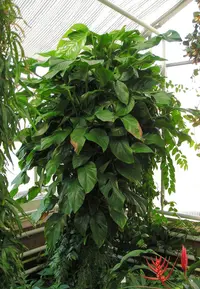
Install a slim moss pole or rough cedar stake close to the root ball and gently tie the vines with soft plant ties so the plant can attach and produce stronger, more fenestrated leaves as it matures.

Use Fine-Grade Aeration

Mix in fine orchid bark, pumice, and horticultural charcoal rather than large, chunky pieces to support the very delicate roots and reduce the risk of air gaps that can cause localized root desiccation.

Bottom-Up Inspection

Place the plant on a light-colored tray and check the undersides of leaves and along the petioles every 1–2 weeks with a magnifying lens to catch early spider mite or thrips activity before damage becomes visible from above.

Gentle Air Movement

Position a small fan several feet away on a low setting to create mild, indirect air circulation, which helps dry leaf surfaces after misting and reduces fungal issues without chilling the foliage.

Acclimate After Repotting

After repotting, keep the plant in slightly lower light and avoid any training or heavy handling for 10–14 days to let fine roots re-establish before resuming normal handling and caring for Window-Leaf Monstera.

Common Pests and Diseases

Spider mites

This pest thrives in warm, dry indoor air and can quickly damage the very thin leaves, causing stippling, dulling, and fine webbing, especially on new growth. Symptoms include slowed growth and leaves that feel dry or papery despite adequate watering.

Solution

Rinse both sides of the foliage under a gentle, lukewarm shower, then wipe leaves with a soft cloth to remove webbing and mites. Increase humidity to 60–80%, improve air movement, and treat remaining mites with repeated applications of insecticidal soap or a light horticultural oil, making sure to coat leaf undersides and petioles.

Thrips

These insects scrape and suck the delicate leaf tissue, creating silvery or bronze streaks, distorted new leaves, and tiny black droppings on foliage. This pest is especially problematic on thin Monstera obliqua leaves grown under high light and low humidity indoors.

Solution

Isolate the plant, prune and discard heavily damaged leaves, and rinse foliage thoroughly. Use blue or yellow sticky traps to monitor adults and apply insecticidal soap or a systemic insecticide labeled for indoor use, repeating treatment through at least one full life cycle while maintaining stable humidity and avoiding plant stress to support recovery.

Mealybugs

These insects appear as white, cottony clusters in leaf axils, along stems, and around nodes where the fine tissue is easy to pierce. Symptoms include sticky honeydew, sooty mold growth on leaves, and gradual decline of new growth.

Solution

Dab visible mealybugs with cotton swabs dipped in 70% isopropyl alcohol, then gently wipe stems and petioles. Follow with thorough sprays of insecticidal soap every 7–10 days, increase airflow, and inspect regularly, since the vining, layered growth habit can hide reinfestations deep in the foliage.

Bacterial leaf spot

This disease produces small water-soaked lesions that enlarge into irregular dark spots with yellow halos, often starting on older or crowded leaves where moisture lingers. Symptoms include leaf yellowing and premature leaf drop under persistently wet or poorly ventilated conditions.

Solution

Immediately remove and discard affected leaves, sterilizing scissors between cuts, and avoid overhead watering so leaves dry quickly. Increase air circulation, space vines so leaves are not pressed together, and water at the soil level; if spreading continues, discard severely affected plants to protect nearby aroids and restart from healthy, inspected material.

Fungal leaf blight

This disease favors stagnant, humid air and creates expanding brown patches that may have a tan center and darker edge, often beginning where water sits on the thin leaf surface. Symptoms include rapid tissue collapse along leaf margins and patches that can merge to destroy entire leaves.

Solution

Trim off all affected leaf areas with sterile tools and dispose of the waste, then allow the plant to dry between waterings while still maintaining moderate humidity. Improve airflow, avoid misting directly onto leaves, and use a fungicide labeled for ornamental foliage plants if new lesions continue to develop, monitoring closely as part of broader Monstera obliqua care instructions.

Interesting Facts

Extremely thin leaves

This species develops paper-thin foliage, with leaf blades often less than 1 mm thick, an adaptation linked to its growth in deeply shaded, humid rainforest understories where mechanical toughness is less critical than maximizing light capture.

Unusually large perforations

Mature plants produce leaves where perforations can occupy most of the leaf surface, leaving only narrow strands of tissue, a far more extreme pattern than seen in closely related Monstera species.

Genuine species rarity

True Monstera obliqua is rarely found in cultivation and is documented mainly from localized regions in Central and South America, while many plants sold under this name are actually forms of Monstera adansonii.

Botan icon

Did you know?

Botanical field studies have shown that the same Monstera obliqua population can display notably different leaf forms between juvenile and adult growth stages, with juvenile plants bearing small, nearly entire leaves and adults producing highly perforated ones, illustrating pronounced heteroblasty, which is a change in leaf shape during plant development.

FAQs about Window-Leaf Monstera

Brown leaf edges usually come from low humidity, underwatering, or exposure to hot or cold drafts. Large brown patches with a soft texture suggest root or stem rot. Remove damaged tissue and correct the underlying environmental issue.

Grow Healthy Plants with Botan Care

Keep your plants happy and healthy with plant identification, disease detection, and easy care guidance.

Botan plant care app — identify plants on mobile

Explore More Plants